If you’ve ever experienced a sharp or burning pain beneath the ball of your foot, you’re not alone. This type of discomfort is often associated with metatarsalgia, a condition caused by excessive pressure on the forefoot. It can affect runners, retail workers, healthcare professionals, factory employees, and anyone who spends long hours on their feet.
One of the most common questions people ask is: Do insoles help with metatarsalgia?
The short answer is yes—but not every insole is designed to address the problem. While a soft shoe insert may provide temporary comfort, lasting relief usually comes from an insole that redistributes pressure, supports natural foot biomechanics, and cushions repetitive impact. Understanding the difference can help you choose a solution that targets the cause of the pain rather than simply masking the symptoms.
What Is Metatarsalgia?
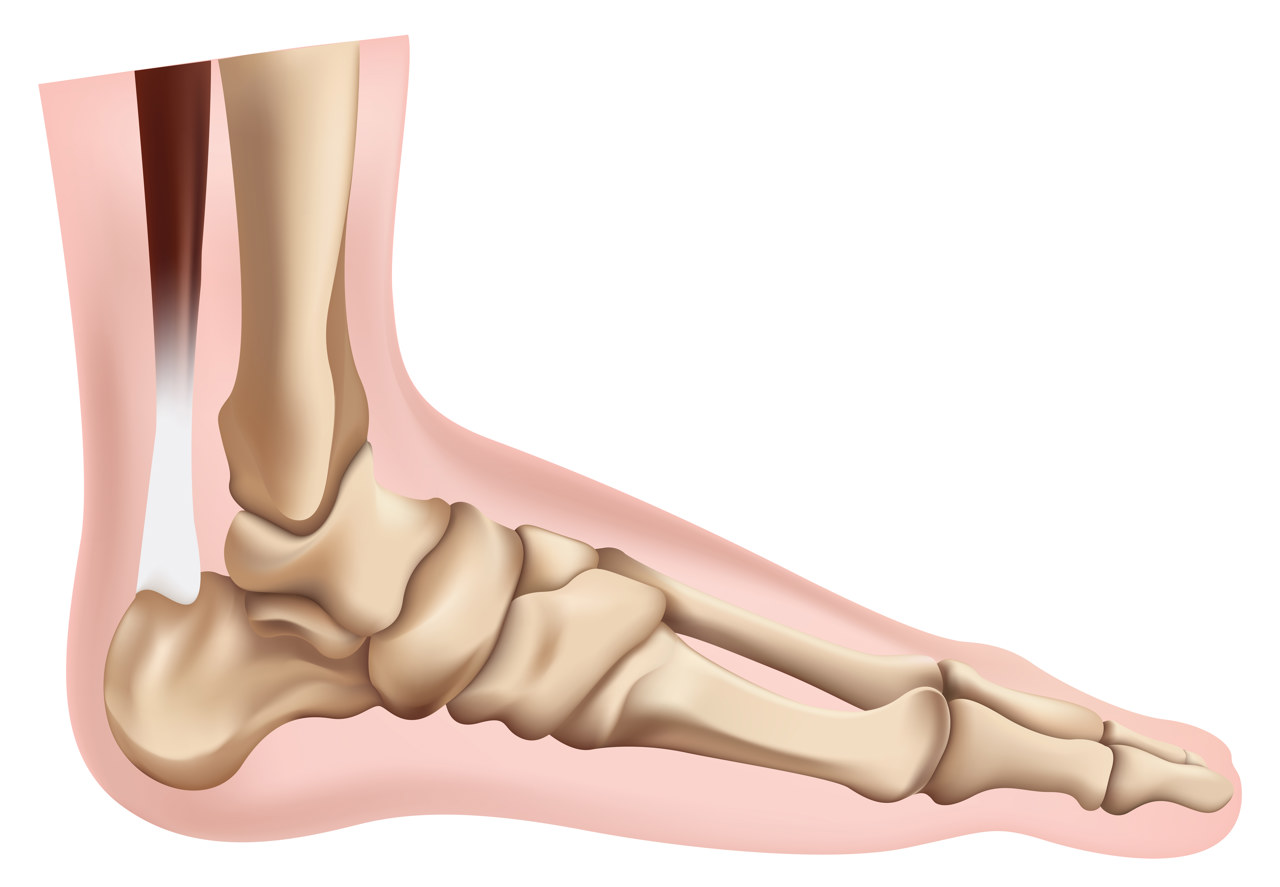
Metatarsalgia is a broad term used to describe pain in the ball of the foot, particularly around the metatarsal heads. These bones bear a significant amount of body weight every time you stand, walk, or run. When pressure becomes excessive or uneven, the surrounding tissues can become irritated, leading to discomfort and inflammation.
Common symptoms include:
- Burning or aching pain beneath the forefoot
- A feeling of walking on a pebble or small stone
- Pain that becomes worse during prolonged standing or walking
- Discomfort while running or participating in sports
- Numbness or tingling in the toes in some cases
Symptoms may develop gradually and often become more noticeable after long periods of weight-bearing activity.
Why Does Metatarsalgia Develop?
Metatarsalgia is rarely caused by a single factor. In many cases, it results from a combination of biomechanics, footwear, and daily activity.
Abnormal Foot Mechanics
Foot posture plays an important role in how pressure is distributed. Conditions such as overpronation, high arches, limited ankle mobility, or unstable gait patterns may concentrate body weight on the forefoot instead of distributing it evenly.
Improper Footwear
Shoes with thin soles, narrow toe boxes, worn-out midsoles, or high heels can increase loading beneath the metatarsal heads. Without adequate cushioning and structural support, every step places additional stress on the forefoot.
Repetitive High-Impact Activities
Running, court sports, hiking, and occupations that involve prolonged standing expose the forefoot to repeated impact forces. Over time, these forces may exceed the foot’s natural ability to absorb shock.
Age and Foot Structure Changes
As people age, the natural fat pad beneath the ball of the foot gradually becomes thinner. This reduces the foot’s ability to cushion impact, making the metatarsal area more vulnerable to pressure.
Do Insoles Really Help with Metatarsalgia?
Yes, when designed correctly, orthotic insoles can significantly reduce discomfort associated with metatarsalgia. However, their effectiveness depends on how well they address the mechanical causes of forefoot pain.
Rather than simply adding softness inside the shoe, a well-designed insole works by improving how forces travel through the foot during movement.
How Orthotic Insoles Help Relieve Metatarsalgia
1. Redistributing Pressure Across the Forefoot
During the push-off phase of walking, the forefoot carries a large portion of body weight. If this load is concentrated beneath one or two metatarsal heads, pain often develops.
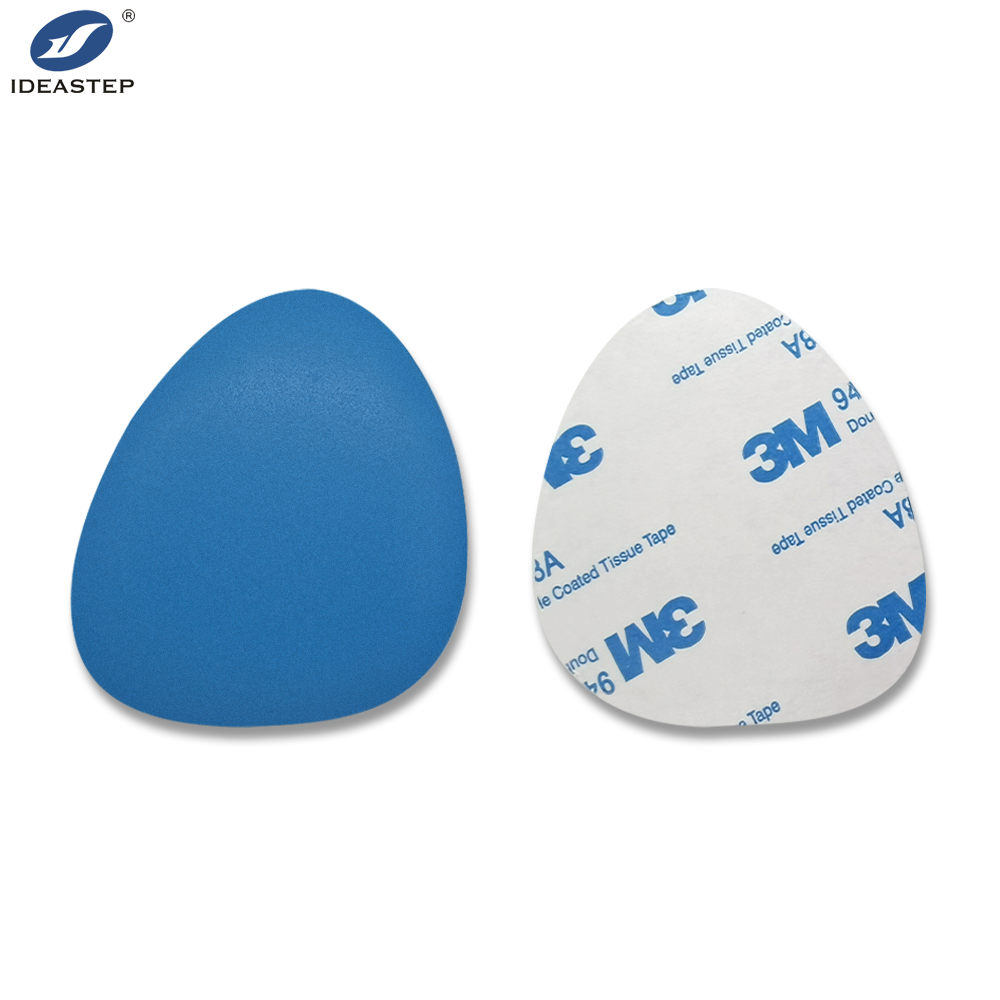
An orthotic insole with a properly positioned metatarsal pad helps spread pressure across a wider area instead of allowing it to focus on a single point. Lower peak pressure generally means greater walking comfort.
2. Supporting Natural Foot Alignment
Forefoot pain is not always caused by the forefoot itself. In many cases, the underlying issue begins with poor foot alignment.
Supportive insoles help stabilize the heel, guide the arch, and encourage a more balanced gait. By improving overall alignment, less stress is transferred to the ball of the foot.
3. Absorbing Repetitive Impact
Every step generates impact forces that travel through the foot. Quality cushioning materials help absorb part of this energy before it reaches sensitive tissues.
Instead of eliminating movement, an effective insole manages impact while maintaining enough structural support to keep the foot stable.
4. Improving Walking Efficiency
People experiencing forefoot pain often unconsciously change the way they walk to avoid discomfort. These compensations can place additional stress on the heel, ankle, knee, or even the lower back.
Properly designed orthotic insoles help restore a more natural walking pattern by promoting balanced pressure distribution throughout the gait cycle.
Are Soft Insoles Enough for Metatarsalgia?
Not necessarily.
One of the most common misconceptions is that softer insoles always provide better relief. While extra cushioning may feel comfortable at first, softness alone does not solve the underlying mechanical problem.
If an insole compresses too easily, it may fail to support the foot properly. Excessive compression can even allow pressure to remain concentrated beneath the metatarsal heads.
For this reason, many healthcare professionals recommend insoles that combine:
- Targeted metatarsal support
- Appropriate arch support
- Shock-absorbing materials
- Stable heel positioning
- Balanced flexibility
The goal is to improve pressure distribution rather than simply adding a thicker layer of foam.
What Are the Best Insoles for Metatarsalgia?
The most effective insoles combine cushioning with biomechanical support. Instead of relying on softness alone, they are designed to redistribute pressure, stabilize foot movement, and improve comfort during daily activities.
Metatarsal Support
A correctly positioned metatarsal pad helps unload pressure from sensitive areas by supporting the tissues behind the metatarsal heads. Proper positioning is essential, as an incorrectly placed pad may create additional discomfort.
Arch Support
Appropriate arch support improves weight distribution throughout the entire foot. It also helps reduce excessive pronation or instability that may contribute to forefoot overload.
Multi-Density Construction
Different areas of the foot require different levels of support. Multi-density insoles combine firmer materials for structural stability with softer cushioning zones for comfort where impact is greatest.
Durable Cushioning Materials
Material selection directly influences long-term performance.
- EVA foam is widely used because it offers an excellent balance of lightweight construction, resilience, cushioning, and durability.
- PU foam provides long-lasting comfort and maintains cushioning performance during extended wear.
- Microfiber or moisture-wicking top covers improve comfort while helping manage heat and moisture inside the shoe.
The best material depends on the intended application, user weight, activity level, and desired level of support.
Should You Choose Over-the-Counter or Custom Orthotic Insoles?
For mild forefoot discomfort, a quality over-the-counter orthotic may provide noticeable improvement.
However, people with persistent pain, abnormal foot mechanics, or demanding work environments often benefit from custom orthotic insoles.
Custom solutions can be developed based on factors such as:
- Foot shape
- Pressure mapping results
- Arch height
- Activity level
- Footwear type
- Specific biomechanical needs
Because no two feet are exactly alike, customization allows support to be tailored to individual requirements instead of relying on a one-size-fits-all design.
Can Insoles Prevent Metatarsalgia?
Although insoles cannot eliminate every risk factor, they can help reduce repetitive stress that contributes to forefoot pain.
Combining supportive insoles with healthy footwear habits provides the best long-term results.
Preventive measures include:
- Choosing shoes with adequate cushioning and a wider toe box
- Replacing worn-out footwear before cushioning deteriorates
- Using supportive insoles during prolonged standing or walking
- Gradually increasing training intensity during sports
- Maintaining foot and calf flexibility through regular stretching
Why Insole Design Matters for Footwear Brands and Foot Care Professionals
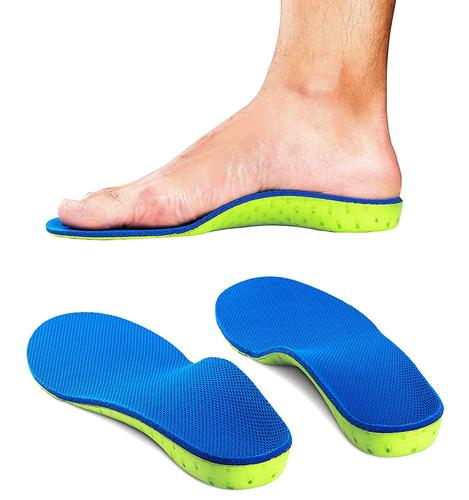
For footwear brands, podiatry clinics, orthopedic distributors, and foot care companies, selecting the right insole involves much more than choosing a comfortable foam.
Factors such as material density, support geometry, manufacturing precision, durability, and customization options all influence how effectively an insole manages forefoot pressure.
Working with an experienced orthotic insole manufacturer also allows businesses to develop products tailored to different applications, including sports footwear, work boots, diabetic footwear, and clinical orthotic solutions.
Frequently Asked Questions
Can insoles cure metatarsalgia?
Insoles are designed to relieve symptoms by improving pressure distribution and foot mechanics. They do not treat every underlying medical condition, so persistent or severe pain should be evaluated by a healthcare professional.
How long does it take for orthotic insoles to work?
Some people notice improved comfort immediately, while others require several weeks to adapt to new support. Consistent daily use typically provides the best results.
Are custom orthotic insoles better than standard insoles?
Custom orthotic insoles can provide more precise support for individuals with unique foot structures or biomechanical issues. For mild cases, a high-quality prefabricated orthotic may also be effective.
Can athletes use metatarsalgia insoles?
Yes. Many runners, hikers, and court-sport athletes use orthotic insoles to reduce repetitive forefoot loading, improve pressure distribution, and enhance comfort during training and competition.
Conclusion
So, do insoles help with metatarsalgia? In many cases, they do—but success depends on choosing the right design rather than simply selecting the softest insert available.
An effective orthotic insole helps redistribute forefoot pressure, improve foot alignment, absorb repetitive impact, and promote a more efficient gait. These combined functions can reduce stress on the metatarsal area and improve comfort during everyday activities.
Whether you’re developing foot care products, sourcing orthotic solutions for your brand, or looking for reliable forefoot support, selecting insoles based on biomechanical performance rather than cushioning alone is the most effective long-term approach.
Related Articles:
shoe inserts for metatarsalgia
Best Metatarsalgia Insoles Symptoms, Causes, and Treatments