For many people, the first sign of flat feet is not how their feet look.
It is the moment they realize their feet feel exhausted after standing all day, walking becomes uncomfortable, or their knees and lower back start hurting for no obvious reason.
Some people try changing shoes. Others experiment with massage guns, stretching, or soaking their feet. But the discomfort keeps coming back.
That is usually when orthotic insoles enter the conversation.
And opinions about them are all over the place.
Some people swear orthotics completely changed how their feet feel. Others spend hundreds of dollars and walk away disappointed.
So, do orthotic insoles actually work for flat feet?
The answer often comes down to one overlooked detail:
Your feet may not need more cushioning.
They may need more support.
What Are Flat Feet?
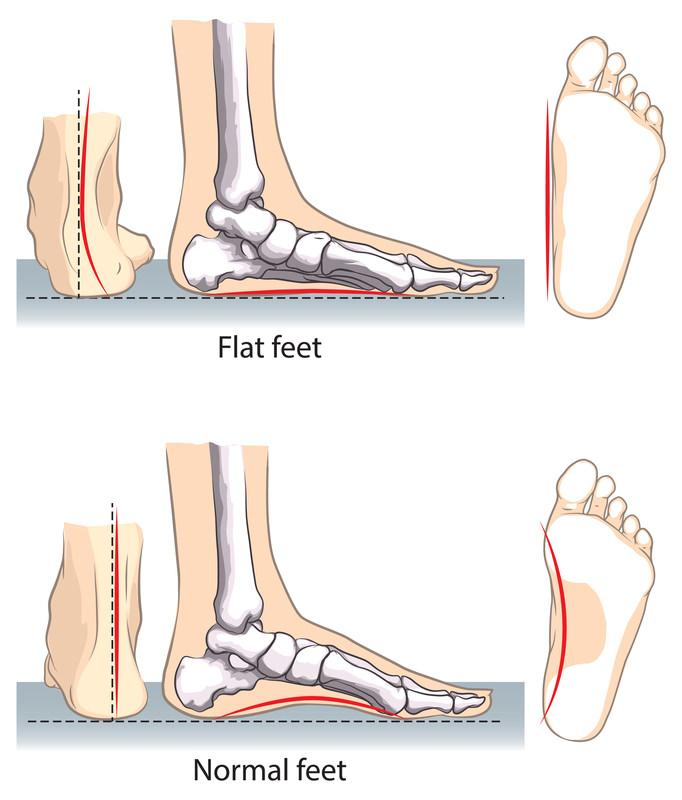
Under normal conditions, the foot has a natural arch along the inside of the foot.
That arch is not just there for appearance.
It plays an important role in absorbing shock and distributing pressure while walking, running, and standing.
You can think of it as part of the body’s built-in suspension system.
Flat feet occur when the arch collapses or sits much lower than normal.
Some people are born with flat feet and never notice a problem. Others only begin developing symptoms later in life, especially after years of standing, increased activity, weight gain, or repetitive strain.
In clinical practice, many people with flat feet do not initially seek help because of foot pain.
Instead, they complain about:
- Chronic knee discomfort
- Tight calves
- Fatigue while walking
- Uneven shoe wear
Only later do they realize the underlying issue may actually start with foot mechanics.
Why Can Flat Feet Make You Feel So Tired?
Many people assume having low arches is mostly cosmetic.
But the real issue is not that the foot looks flat.
It is that the body’s weight distribution changes.
Collapsed Arches Reduce Shock Absorption
A healthy arch works like a spring when you walk.
It helps absorb impact and reduces stress throughout the lower body.
When the arch collapses, more pressure shifts directly into areas like:
- The heel
- The ball of the foot
- The inner ankle
Over time, this extra strain can leave the feet feeling heavy and fatigued.
Many people with flat feet describe it the same way:
Not necessarily sharp pain.
Just a feeling that the feet become more exhausted as the day goes on.
Flat Feet Often Lead to Overpronation
This is one of the biggest hidden issues behind flat feet.
Overpronation happens when the foot rolls inward excessively during walking.
A small amount of pronation is completely normal. It helps the body absorb shock.
But when the foot collapses too far inward, body alignment can gradually shift.
That stress may travel upward through the legs.
As a result, some people eventually develop:
- Increased pressure on the knees
- Chronic calf tightness
- Hip instability
- Lower back fatigue
Many people think they have a knee problem.
In reality, the issue may have started at the feet.
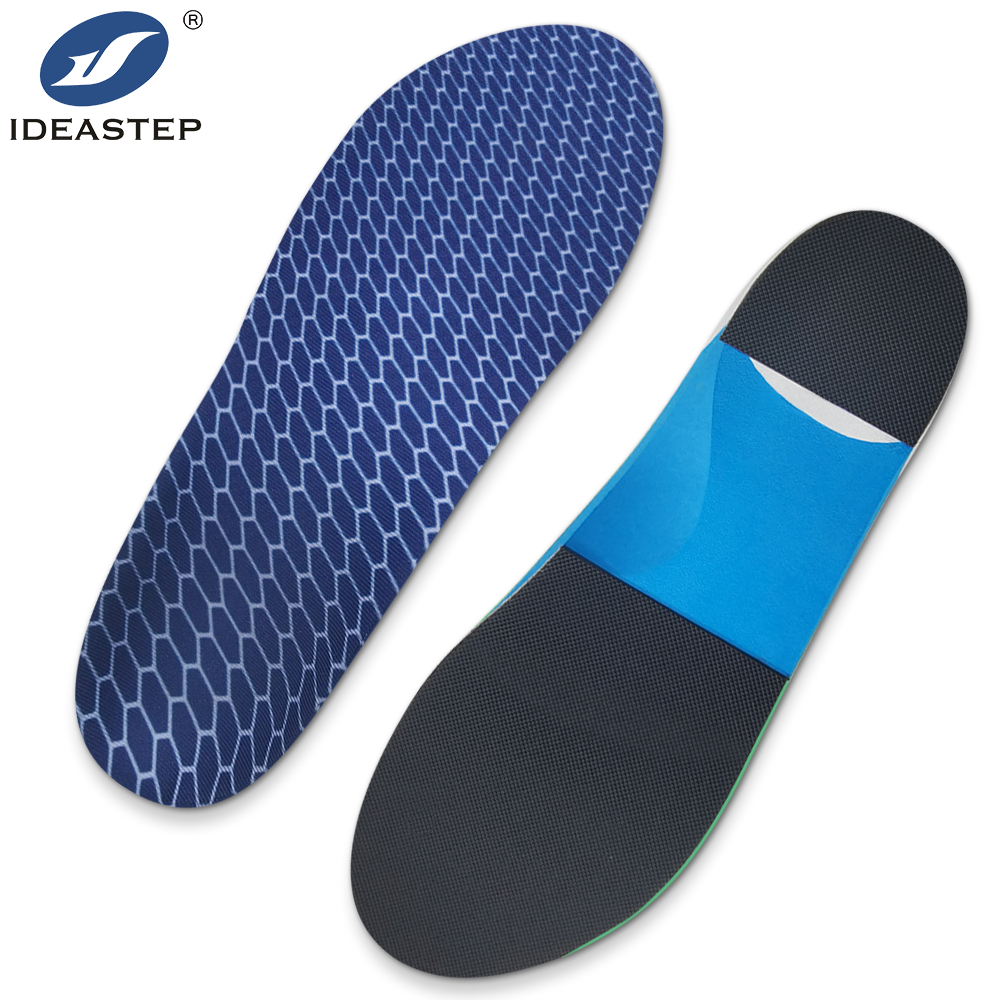
Orthotic Insoles Do More Than Add Cushioning
This is where many people misunderstand orthotics.
When shopping for insoles, most people focus on:
- How soft they feel
- How thick they are
- How much cushioning they provide
But for flat feet, softness alone often does not solve the problem.
The foot may still continue collapsing inward.
The real purpose of orthotic insoles is usually stability.
Especially for people with flat feet.
Why Do Some People Feel Immediate Relief From Orthotics?
When foot mechanics become more stable, the body no longer has to compensate as much during movement.
For many people, the biggest improvement is not necessarily the disappearance of pain.
It is that everyday activities feel easier.
Some of the most common changes include:
- Less fatigue after standing
- Reduced calf tightness
- Lower pressure on the forefoot
- Better recovery after exercise
People who stand for long hours at work often notice these differences the most.
In many cases, flat feet do not need softer shoes.
They need better support underneath the foot.
A Common Mistake: Softer Insoles Are Not Always Better
This surprises a lot of people.
Very soft insoles may feel comfortable for a few minutes.
But after prolonged walking, the feet may still feel exhausted.
The reason is simple.
If the insole lacks structure and stability, the foot can continue collapsing inward, forcing the body to work harder to stay balanced.
For people with more severe flat feet, stability is often more important than softness.
The best orthotics usually provide both:
- Cushioning
- Support
What Should You Actually Look for in Orthotic Insoles?
Many people shop based only on brand names.
But what matters more is how the insole supports foot mechanics.
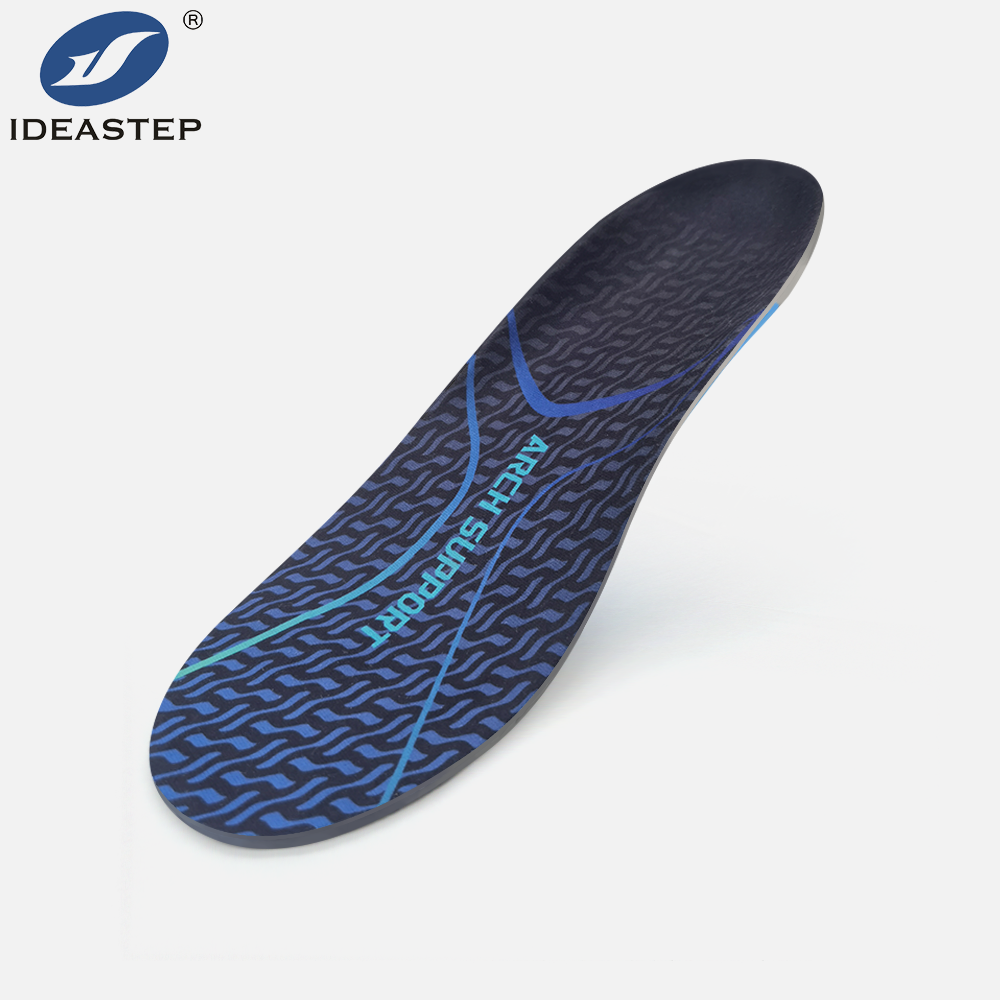
1. Proper Arch Support
This is the foundation of a good orthotic.
If the insole offers little or no arch support, it may not meaningfully improve foot alignment.
At the same time, more support is not always better.
An overly aggressive arch can feel uncomfortable and create pressure points.
The best support usually feels noticeable without feeling intrusive.
2. Stability
Some insoles are soft but unstable.
They compress too easily and allow the foot to keep rolling inward.
For people with severe flat feet, this often leads to continued fatigue.
3. Shoe Compatibility
This is something many people overlook.
Even the best orthotics may not work well inside unstable shoes.
Common problems include:
- Overly soft midsoles
- Poor heel support
- Narrow shoe designs
- Limited interior space
Sometimes the issue is not the orthotic itself.
It is the entire shoe system.
Are Custom Orthotics Always Better?
Not necessarily.
For mild to moderate flat feet, high-quality over-the-counter insoles may already provide enough support.
However, custom orthotics may be worth considering if you have:
- Severe flat feet
- Pain during prolonged activity
- Noticeable gait abnormalities
- Knee or hip problems
- No improvement from regular insoles
Custom orthotics are designed around factors such as:
- Foot shape
- Walking mechanics
- Pressure distribution
In theory, they offer a more personalized fit.
But in real life, more expensive does not always mean more effective.
The real question is whether the orthotic addresses your specific biomechanical problem.
Can Orthotics Permanently Fix Flat Feet?
This is one of the most common questions people ask.
Realistically, orthotics are designed more for functional support than permanent structural correction.
Especially in adults.
Once the foot structure has fully developed, insoles alone usually cannot rebuild the arch.
But that does not mean orthotics are pointless.
Most people are not searching for perfect-looking arches.
They simply want to:
- Walk with less fatigue
- Stand longer without discomfort
- Recover more comfortably after activity
If orthotics help improve those daily experiences, they can still be extremely valuable.
When Might Orthotics Not Help Enough?
Not every flat foot problem can be solved with insoles alone.
If someone already has:
- Severe structural deformities
- Long-term joint degeneration
- Major gait abnormalities
- Chronic knee pain
- Persistent inflammation
Orthotics may only provide partial relief.
Additional treatment may still be necessary, including:
- Strength training
- Physical therapy
- Gait retraining
- Weight management
- Medical intervention
Orthotics are often just one part of a broader treatment strategy.
How Long Does It Take for Orthotics to Work?
There is no universal timeline.
Some people feel relief almost immediately after switching to supportive insoles, especially if they spend long hours standing.
Others may need several weeks to adapt.
In some cases, mild soreness during the adjustment period is completely normal.
The body is learning to move with a different support system underneath the feet.
Over time, the lower body gradually adapts to the new mechanics.
So, Are Orthotic Insoles Worth Trying for Flat Feet?
For many people with mild to moderate flat feet, yes.
Especially for those who:
- Stand for long hours
- Walk frequently
- Exercise regularly
- Already experience fatigue or discomfort
The right orthotic insoles can genuinely improve comfort and reduce strain.
But the goal should not be finding the softest, most expensive, or trendiest product.
The real goal is finding support that helps your feet stay stable.
In many cases, the problems caused by flat feet do not appear overnight.
They develop gradually through years of altered movement and uneven pressure.
Orthotics may not completely change foot structure, but if they help you move through daily life with less fatigue and discomfort, they can absolutely be worthwhile.
Disclaimer: This article is for informational purposes only and does not replace professional medical advice, diagnosis, or treatment. If you experience persistent pain or gait-related issues, consult a qualified healthcare professional.