Orthotics are widely used in managing foot pain, flat feet, and sports-related injuries. Many people assume that “more support is always better,” especially when first introduced to orthotic insoles. However, real-world clinical experience and user feedback suggest that the situation is more complex.
Orthotics are not suitable for everyone, and in some cases, they may even lead to new discomfort or compensatory pain patterns. This article provides a more clinically grounded and realistic analysis of the potential downsides of orthotics.
What Are Orthotics?
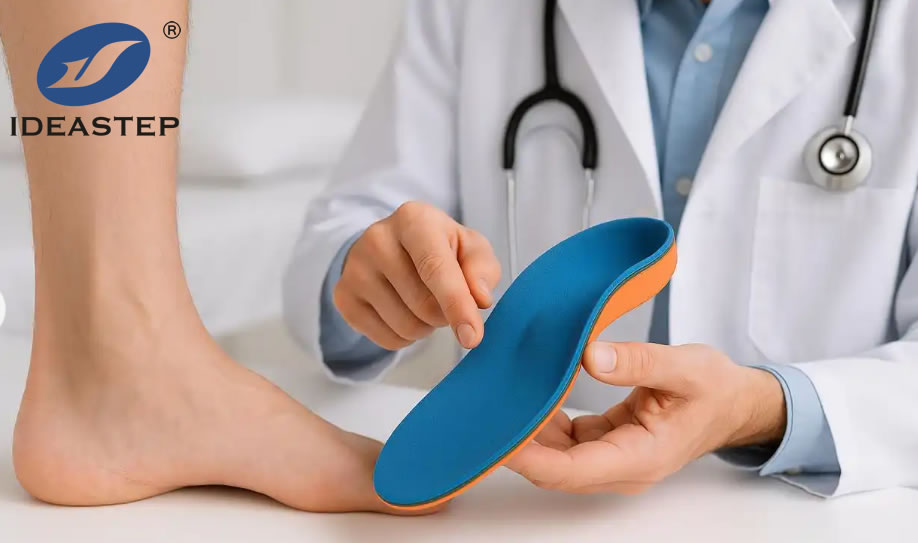
Orthotics are medical or semi-medical devices placed inside shoes to support, align, or improve foot biomechanics and gait patterns.
There are two main types:
- Custom Orthotics: Individually designed based on foot shape, pressure distribution, and gait analysis.
- Prefabricated Orthotics: Standardized insoles designed for general support needs.
Common use cases include:
- Plantar fasciitis
- Flat feet (pes planus)
- Sports-related overuse injuries
The main goal of orthotics is to redistribute pressure across the foot and reduce localized strain.
1. Initial Discomfort Is Common
In clinical practice, initial discomfort is one of the most frequently reported issues, although its severity varies significantly between individuals.
Some users may experience only mild soreness, while others report:
- Increased plantar pressure or pain
- Tightness in the calf muscles
- Unnatural gait patterns
- Temporary worsening of existing symptoms
This is typically related to the body adapting to a sudden change in load distribution. When foot biomechanics are altered, muscles and soft tissues need time to adjust their activation patterns.
Most individuals adapt within 1–3 weeks, although some may never fully tolerate orthotic use.
2. Muscle Dependency: A Debated Issue
Whether long-term orthotic use leads to muscle weakening remains a debated topic in rehabilitation and biomechanics research.
Some clinicians suggest that:
- Prolonged external support may reduce activation of intrinsic foot muscles
- Stability may become more dependent on the device rather than muscular control
- Proprioceptive feedback may be slightly reduced
However, other studies indicate that no significant muscle weakness occurs when orthotics are used appropriately and combined with strengthening exercises.
Overall, outcomes likely depend more on usage patterns than on orthotics themselves.
3. Improper Use May Lead to Compensatory Pain
Orthotics are not a universal solution for all types of foot pain. Without proper assessment, incorrect use may create new biomechanical issues.
Common complications include:
- Excessive arch support increasing localized pressure
- Insufficient correction leading to no improvement
- Compensatory pain in the knees, hips, or lower back
In some cases, pain may shift from the foot to other parts of the kinetic chain due to altered load distribution.
4. Fitting Errors and Customization Limitations
Even custom orthotics are not free from design or assessment errors.
Potential issues include:
- Inaccurate foot scanning or gait analysis
- Incorrect prescription parameters
- Failure to update changes in foot mechanics over time
These limitations may lead to new pressure points, discomfort, or worsening symptoms rather than improvement.
5. Cost and Long-Term Maintenance
Orthotics can also represent a significant financial commitment.
- Custom orthotics are relatively expensive
- Typical lifespan is 1–3 years
- Periodic reassessment and replacement are often required
For long-term users, this becomes an ongoing maintenance cost rather than a one-time solution.
6. Adaptation Period May Affect Daily Life
During the adaptation phase, users may experience temporary performance and comfort changes such as:
- Reduced running efficiency
- Increased fatigue during walking or standing
- Altered gait rhythm
- Reduced comfort during daily activities
These effects are typically temporary but can be disruptive for athletes or individuals with physically demanding jobs.
7. Not Everyone Is a Suitable Candidate
In clinical settings, orthotics are not recommended for every case of foot discomfort.
They may not be appropriate for:
- Mild, temporary muscle soreness
- Non-structural pain caused by overuse or training load
- Individuals without proper biomechanical evaluation
In such cases, orthotics alone may not address the underlying cause of symptoms.
8. How to Reduce Negative Effects
When orthotics are necessary, the following strategies may help minimize adverse effects:
- Gradual wear-in period: Slowly increase daily usage time
- Foot strengthening exercises: Maintain intrinsic muscle activity
- Regular reassessment: Adjust orthotics as biomechanics change
- Professional evaluation: Avoid self-selected or generic insoles
9. Alternatives to Orthotics
In some cases, non-orthotic interventions may be more appropriate, including:
- Foot strengthening and mobility exercises
- Physical therapy
- Supportive footwear modifications
- Load and training adjustments
For mild to moderate conditions, these approaches may address root causes more effectively than passive support alone.
Conclusion: Orthotics Are a Tool, Not a Cure
Orthotics can be beneficial in specific clinical scenarios, but they are not a universal or risk-free solution.
The main potential negatives include:
- Initial adaptation discomfort
- Possible muscle dependency debate
- Risk of compensatory pain with improper use
- Cost and maintenance requirements
- High individual variability in outcomes
Ultimately, orthotic effectiveness depends heavily on correct indication, proper fitting, and appropriate usage strategy.
They should be viewed as a supportive tool rather than a standalone treatment.
Frequently Asked Questions (FAQ)
Are orthotics bad for your feet?
Orthotics are generally not harmful, but improper use or poor fitting may lead to discomfort or secondary pain.
Can orthotics weaken foot muscles?
The evidence is mixed. Some theories suggest reduced intrinsic muscle activity with long-term use, but there is no consensus that significant weakening occurs.
How long does it take to get used to orthotics?
Most users require 1–3 weeks of gradual adaptation.
Should everyone with foot pain use orthotics?
No. Foot pain has multiple causes, and orthotics are only appropriate after proper biomechanical assessment.
Related Post:Are custom orthopedic insoles worth it?