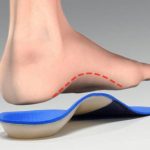
In the footwear manufacturing industry, material selection is no longer a simple procurement decision. It directly influences product positioning, wearer comfort, durability, and overall market competitiveness.
With the rising demand for lightweight, cushioned, and stable footwear—especially in sports shoes, functional footwear, and orthopedic shoes—EVA (Ethylene Vinyl Acetate) foam has become one of the most widely used midsole and outsole materials. Among them, premium EVA materials are increasingly adopted in orthopedic and high-performance footwear applications.
This article explains premium EVA sole material from a practical manufacturing and B2B procurement perspective.
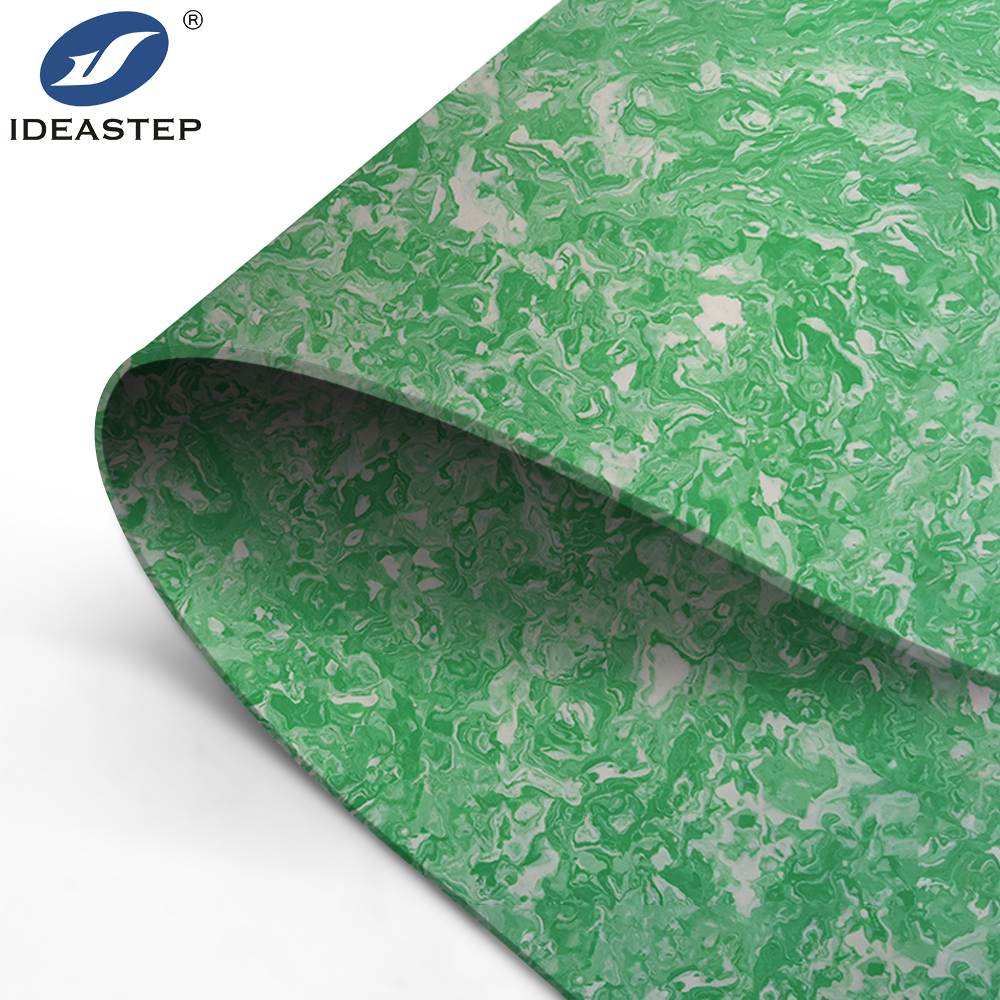
What is EVA Sole Material?
EVA (Ethylene Vinyl Acetate) is a lightweight foam material widely used in shoe midsoles and cushioning systems.
In real manufacturing practice, EVA is not only defined by its chemical structure, but more importantly by its performance inside footwear:
- Whether it is lightweight enough for daily wear
- Whether it provides stable cushioning and rebound
- Whether it maintains shape under long-term compression
- Whether it reduces impact stress during walking or running
Key properties of EVA in footwear applications include:
- Lightweight structure that reduces overall shoe weight
- Excellent shock absorption for improved comfort
- Good flexibility for different shoe designs
- High processability for mass production (molding, injection, cutting)
For manufacturers, EVA is best understood as a performance-based foundational material rather than a simple filler.
Premium EVA vs Standard EVA: The Real Difference Is Stability
In production environments, the difference between standard and premium EVA is not just about specifications, but about long-term consistency and structural stability.
1. Structural Stability
Standard EVA may gradually deform or collapse after repeated compression. Premium EVA, however, maintains a more stable foam cell structure, allowing it to retain shape and support over time.
2. Rebound Performance
In mid-to-high-end footwear, rebound is not about being “softer,” but about balancing cushioning and support. Premium EVA provides:
- Less bottoming-out effect
- More consistent energy return
- Slower performance degradation over time
3. Product Positioning Impact
From a manufacturing perspective:
- Standard EVA: Suitable for cost-sensitive footwear
- Premium EVA: Suitable for branded shoes, sports footwear, orthopedic shoes, and export markets
Material grade directly influences the market segment a product can target.
Role of EVA in Orthopedic Footwear Applications
In orthopedic footwear, EVA is not only used as a cushioning material but also plays a role in load distribution and walking stability.
For users who stand or walk for long periods—such as elderly individuals or service workers—plantar pressure tends to concentrate on specific areas of the foot.
EVA helps in the following ways:
- Absorbing ground impact and reducing peak pressure
- Distributing load more evenly across the foot
- Improving walking stability and comfort
- Reducing long-term fatigue during standing or walking
In orthopedic shoe design, the goal is not just softness, but a balance between cushioning and structural support.
Key Advantages of Premium EVA Sole Material
Lightweight Performance
EVA has low density, which helps reduce overall shoe weight without compromising structural integrity—especially important for sports and performance footwear.
Shock Absorption
EVA effectively absorbs impact forces during walking or running, reducing stress on the feet, knees, and joints.
High Processing Flexibility
EVA can be adapted to multiple manufacturing processes, including compression molding, injection molding, and cutting. This makes it suitable for large-scale production environments.
Balanced Cost and Performance
Compared to more advanced composite materials, EVA offers a strong balance between cost efficiency and performance, making it a mainstream choice for mid-to-high-end footwear.
Technical Considerations in EVA Material Selection
In real factory procurement, EVA is not evaluated only by a single parameter. Manufacturers focus more on overall processing stability and batch consistency.
- Density range suitability for different shoe types
- Compression recovery performance (resistance to collapse)
- Long-term deformation behavior
- Consistency during foaming and production processes
In practice, batch stability is often more important than theoretical specifications.
Applications of EVA Sole Material
- Sports footwear midsoles
- Orthopedic and supportive shoes
- Outdoor footwear
- Safety and work shoes
- Rehabilitation and medical footwear
With the growth of functional footwear markets, EVA is evolving from a basic cushioning material into a structural performance material.
Why Footwear Manufacturers Choose Premium EVA
From a B2B procurement perspective, key reasons include:
- Higher consistency for mass production
- Suitable for OEM and ODM customization
- Adjustable density and hardness for different product lines
- Better fit for premium branding and export markets
- Improved user comfort and product reviews
In competitive footwear markets, material choice directly affects product positioning and brand perception.
Custom EVA Material Solutions
Modern footwear manufacturing increasingly relies on customized material solutions rather than standard materials.
- Multi-density EVA structures
- Hardness gradient designs
- Multi-layer composite EVA systems
- Functional modifications (anti-slip, antibacterial, etc.)
- Color and aesthetic customization
This flexibility allows EVA to serve both entry-level and premium footwear markets.
Conclusion
EVA sole material is one of the most important foundational materials in modern footwear manufacturing. Premium EVA, in particular, plays a critical role in orthopedic and high-performance footwear applications.
Beyond lightweight cushioning, its real value lies in structural stability, consistent performance, and adaptability to different product requirements.
For footwear manufacturers, selecting the right EVA material is ultimately a strategic decision that defines product positioning, market competitiveness, and long-term brand value.
Partner with Ideastep for EVA Foam Customization
Ideastep specializes in EVA foam material and customized solutions for footwear manufacturers, including orthopedic, sports, and functional shoes.
We provide OEM & ODM services with flexible options in density, hardness, and structural design to meet different production needs.
Contact us to request samples or a quotation for your EVA footwear projects.
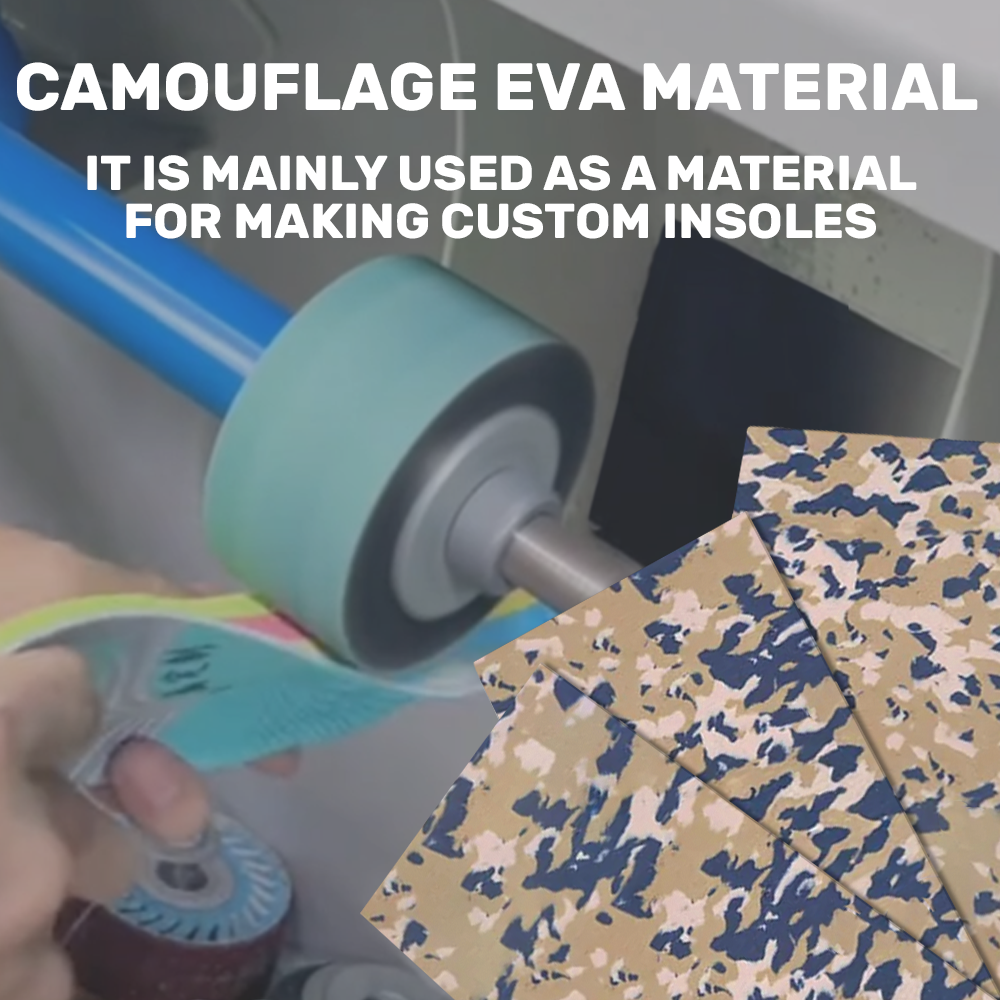
Related product links:Camouflage EVA 103# for Custom Insoles