In the footwear industry, there’s always a quiet trade-off behind every design decision: comfort, durability, and cost rarely peak at the same time.
That’s exactly why EVA foam outsoles have become such a common choice. They don’t try to be the “strongest” or the “most technical” material—but they strike a balance that works for a wide range of everyday footwear.
From running shoes to casual sneakers, EVA continues to show up in products where lightweight comfort and manufacturing efficiency matter just as much as performance.
So what makes it so widely used, and where does it actually perform best?
What Is EVA Foam Outsole?
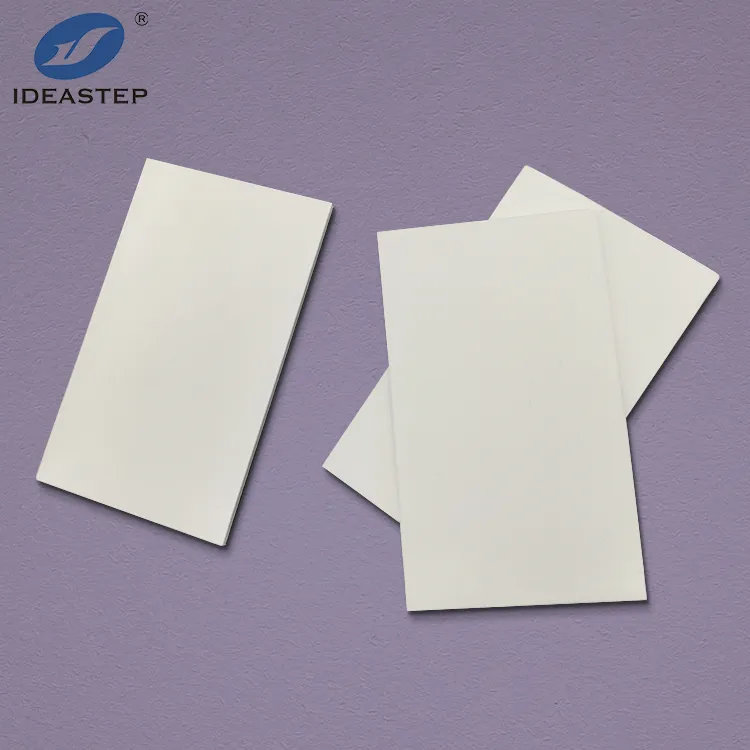
EVA (Ethylene Vinyl Acetate) is a lightweight foam material used widely in footwear components, especially midsoles and outsoles. In simple terms, it’s a soft, flexible foam that can be molded into different shapes and densities depending on the application.
What makes EVA interesting is its internal structure. It contains tiny closed air cells, which is what gives it that “light and cushioned” feeling when you walk.
Why EVA Became a Standard Material
EVA didn’t become popular by accident. It solved a few very practical problems for footwear brands:
- It keeps shoes lightweight without sacrificing basic comfort
- It’s easy to mold into complex outsole designs
- It allows different densities for different price points
- It works across multiple shoe categories
In production terms, it’s also predictable—which matters more than people think when you’re producing thousands of pairs.
Performance Benefits of EVA Foam Outsoles
Comfort Through Cushioning
EVA’s most obvious advantage is comfort. When your foot hits the ground, the foam compresses slightly and helps reduce impact.
It’s not “high-tech energy return,” but for everyday walking and casual use, that softness is usually more than enough.
Lightweight Feel That Users Notice Immediately
One of the first things people notice with EVA shoes is how light they feel.
Compared to rubber outsoles, the difference is obvious when you hold the shoe or wear it for long periods. Less weight means less fatigue, especially for walking-focused footwear.
Flexible Enough for Natural Movement
EVA doesn’t fight against foot movement. Instead, it bends along with it.
This makes it suitable for shoes that prioritize comfort over stiffness, such as lifestyle sneakers or walking shoes.
Good Resistance to Everyday Conditions
Because EVA is a closed-cell material, it doesn’t absorb water easily. Rain, moisture, and general daily wear usually don’t affect it immediately.
That said, it’s still a foam material—so its limits show up under heavier or more abrasive use conditions.
How Durable Is EVA Foam Outsole?
Durability is where EVA becomes more nuanced.
It performs well in normal urban or indoor environments, but it’s not designed to compete with high-abrasion rubber in heavy-duty conditions.
Everyday Wear Performance
For walking shoes, casual sneakers, and light sports use, EVA holds up reasonably well. The key variable is density—higher-density EVA tends to last significantly longer.
Why Density Matters More Than People Expect
Two EVA outsoles can look identical but behave very differently.
Lower-density EVA feels softer and more comfortable, but it wears faster. Higher-density EVA feels firmer but usually lasts longer.
This is one of the main reasons manufacturers spend time fine-tuning formulations.
Where EVA Shows Its Limitations
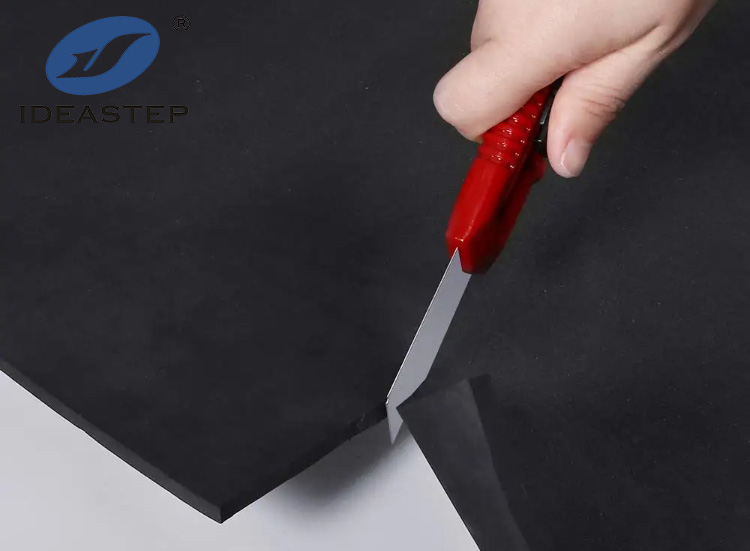
On rough outdoor terrain or in heavy-use industrial footwear, EVA tends to wear down faster than rubber or TPU.
That’s why it’s often combined with other materials instead of being used alone in performance-heavy shoes.
Cost Efficiency: A Major Reason Brands Choose EVA
Beyond performance, EVA’s biggest advantage is actually on the production side.
Lower Material Cost
EVA is relatively inexpensive compared to rubber-based or engineered polymers, which helps brands control product pricing.
Simpler Manufacturing Process
The molding process is efficient and scalable. Once a mold is ready, production can move quickly with consistent output.
Better Fit for Large-Scale Production
For brands producing thousands or even millions of pairs, EVA offers something important: stability. You get predictable results without complex processing steps.
Where EVA Foam Outsoles Are Commonly Used
You’ll find EVA outsoles across many everyday footwear categories:
- Running and jogging shoes
- Casual sneakers
- Walking and travel shoes
- Children’s footwear
- Lifestyle and fashion sneakers
It’s not usually the material chosen for extreme durability—but for daily wear, it’s often the most practical option.
EVA vs Rubber vs TPU Outsoles
| Feature | EVA Foam | Rubber | TPU |
|---|---|---|---|
| Weight | Very light | Heavy | Medium |
| Comfort | High | Medium | Low–Medium |
| Durability | Medium | High | High |
| Flexibility | High | Medium | Medium |
| Cost | Low | Medium–High | High |
| Best Use | Casual & running shoes | Work & outdoor shoes | Performance footwear |
Choosing the Right EVA Outsole
Start with the Shoe’s Purpose
A running shoe and a lifestyle sneaker don’t need the same EVA formulation. The use case should always come first.
Don’t Ignore Density
If there’s one factor that really changes performance, it’s density. It affects both comfort and lifespan more than most people expect.
Balance Comfort and Longevity
Soft doesn’t always mean better. In many cases, brands need to find a middle point that feels good but still lasts through normal use.
OEM and Custom EVA Outsole Development
For footwear brands, EVA isn’t just a material choice—it’s a design tool.
By adjusting density, shape, texture, and structure, manufacturers can tailor performance for different market segments.
Common customization options include:
- Different hardness and density levels
- Color matching for branding
- Surface texture design
- Logo integration
- Custom mold structures
This flexibility is one of the reasons EVA continues to dominate mass-market footwear production.
Conclusion
EVA foam outsoles sit in a very practical position in footwear design. They’re not the most durable material on the market, and they’re not trying to be.
Instead, they offer a balance that works: lightweight comfort, reasonable durability, and production efficiency that scales well.
For many footwear categories, that combination is exactly what makes them hard to replace.