What Are Heat Moldable EVA Insoles?
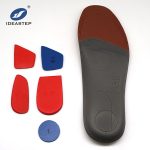
Heat moldable EVA insoles are semi-custom orthotic components made from ethylene-vinyl acetate (EVA) that can be reshaped under controlled heat conditions. Compared with standard EVA insoles, the key difference is structural adaptability: the material can temporarily soften and be reshaped to better match individual foot anatomy before stabilizing into a final form.
In OEM orthotic production, this type of insole is commonly positioned as a “semi-custom solution,” sitting between mass-produced comfort insoles and fully customized medical orthotics.
How Heat Moldable EVA Technology Works
The technology is based on the thermoplastic behavior of EVA foam. When exposed to controlled heat, the polymer chains become flexible, allowing the material to deform under body pressure. Once cooling begins, the internal structure stabilizes and retains the molded shape.
In practice, the process follows three controlled stages:
-
- Thermal activation: EVA softens under regulated temperature
- Foot loading phase: body weight shapes the insole structure
- Cooling stabilization: material locks into the final geometry
In most manufacturing systems, temperature control and timing are critical factors that directly influence molding accuracy and long-term durability.
Why Heat Moldable EVA Is Used in Orthotic Customization
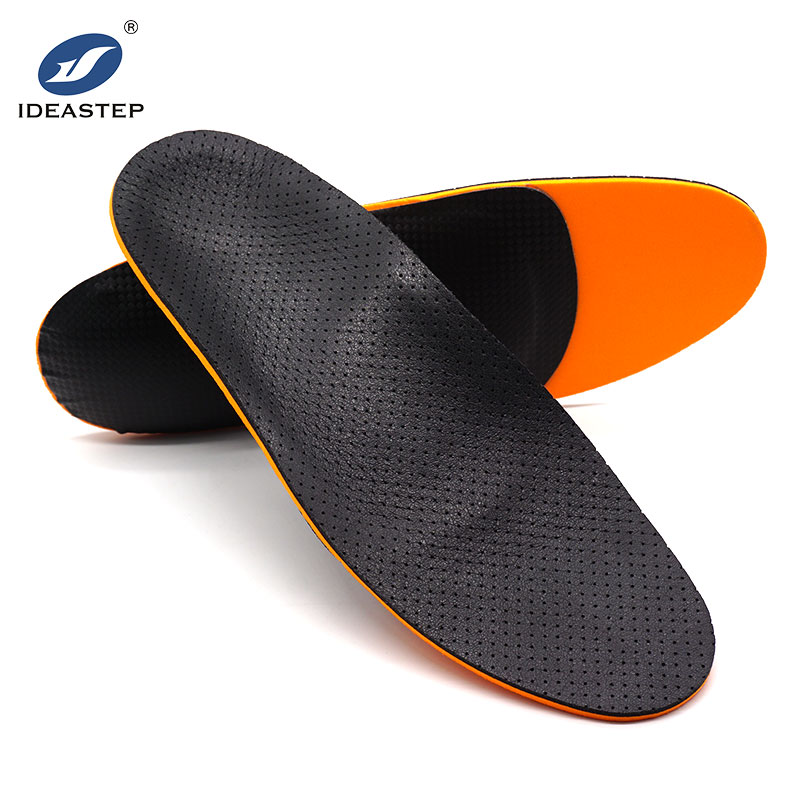
From an orthotic manufacturing perspective, heat moldable EVA is widely used because it provides a practical balance between customization and production scalability.
In most OEM orthotic programs, this material is positioned for mild to moderate foot alignment needs rather than severe structural deformities. It allows brands to offer personalized fit solutions without requiring full medical casting or 3D scanning systems.
Key Advantages of Heat Moldable EVA Insoles
Custom Arch Adaptation
Heat moldable EVA can adapt to different arch heights, including low, medium, and moderate-high arches. This improves load distribution and helps guide more neutral foot alignment during walking or standing.
Pressure Redistribution Efficiency
Once molded, the insole conforms to plantar contours, reducing localized pressure peaks in the heel and forefoot regions. This is particularly important for users with asymmetrical foot loading patterns.
Improved Stability During Gait
A properly molded EVA structure enhances midfoot stability and helps reduce excessive pronation, which is commonly associated with flat feet or arch collapse conditions.
Lightweight Orthotic Structure
Despite its structural adaptability, EVA maintains a low-density and lightweight profile, making it suitable for daily footwear, occupational shoes, and sports applications.
Manufacturing Process of Heat Moldable EVA Insoles
In OEM and ODM production environments, heat moldable EVA insoles require controlled manufacturing parameters to ensure consistent performance across batches.
- EVA foam selection based on density and rebound characteristics
- Precision cutting or CNC shaping into insole geometry
- Thermal activation treatment for controlled moldability
- Foot-form molding process (manual, vacuum, or pressure-assisted systems)
- Cooling and structural stabilization phase
- Surface lamination (fabric, anti-slip, antimicrobial coatings)
In industrial production, EVA density and thermal response consistency are two of the most important quality control parameters.
Heat Moldable EVA vs Standard EVA Insoles
The key distinction between heat moldable EVA and standard EVA insoles lies in structural adaptability.
Standard EVA insoles are manufactured with fixed geometry and predefined arch support. In contrast, heat moldable EVA allows partial reshaping to improve anatomical fit after production.
In most orthotic product lines, standard EVA is used for general comfort applications, while heat moldable EVA is preferred for semi-custom or entry-level orthotic solutions.
Heat Moldable EVA vs PU Orthotic Materials
EVA and PU are both widely used in orthotic systems, but they serve different design purposes.
EVA provides better moldability and lightweight structure, making it suitable for customization-based solutions. PU, on the other hand, offers higher durability and load resistance but limited shape adaptability.
In most semi-custom orthotic programs, EVA remains the preferred material due to its balance between comfort, flexibility, and manufacturability.
Application Scenarios for Heat Moldable EVA Insoles
Orthopedic and Clinical Support
Heat moldable EVA insoles are commonly used for mild to moderate foot conditions such as flat feet, arch fatigue, and plantar pressure imbalance. They provide adjustable support without requiring full medical-grade customization.
Sports and Active Footwear
In athletic environments, molded EVA improves foot alignment and shock absorption during repetitive impact activities such as running and training.
Occupational Footwear
For healthcare, retail, and industrial workers, these insoles help reduce fatigue caused by long hours of standing on hard surfaces.
Children’s Foot Development
In pediatric applications, heat moldable EVA can assist in guiding arch development during growth stages by providing adaptable support.
Limitations of Heat Moldable EVA Technology
In real-world applications, heat moldable EVA insoles are not designed for unlimited reshaping cycles. Repeated heating may gradually reduce material memory and affect structural stability.
In addition, excessive thermal exposure or improper temperature control during molding can reduce arch precision and consistency.
For this reason, OEM production systems typically define strict processing parameters to ensure stable batch-to-batch performance.
How to Choose High-Quality Heat Moldable EVA Insoles
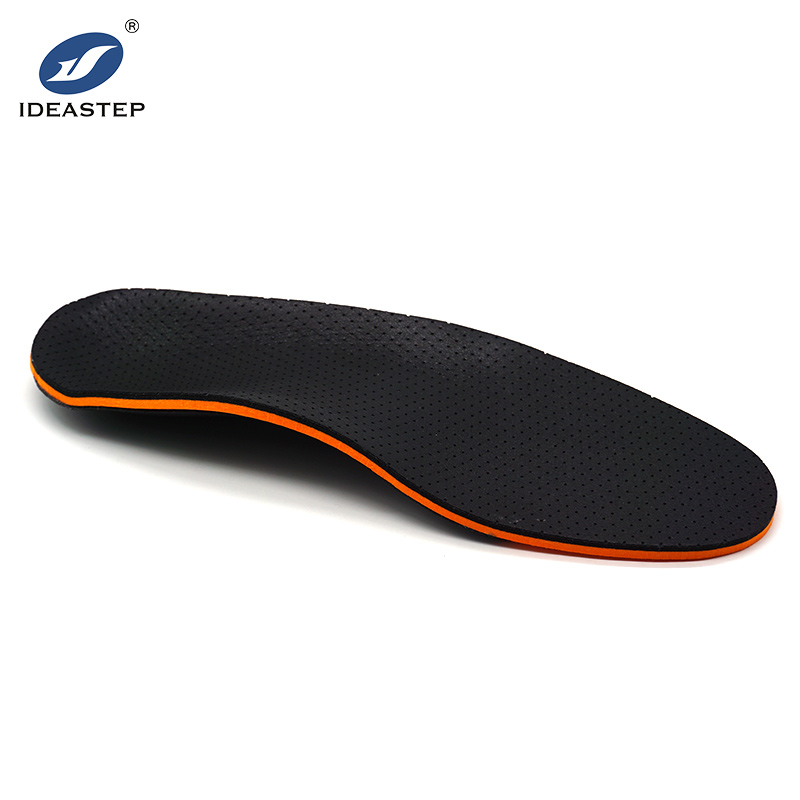
When evaluating heat moldable EVA insoles, several technical factors should be considered:
- EVA density: determines balance between support and comfort
- Thermal stability: ensures consistent molding behavior
- Arch design structure: affects biomechanical alignment
- Surface material: influences breathability and durability
- Manufacturing capability: ensures OEM consistency and scalability
OEM and ODM Value in Heat Moldable EVA Insoles
In B2B orthotic manufacturing, heat moldable EVA technology provides a scalable solution for brands seeking semi-custom product positioning. It reduces the need for complex medical fitting systems while still offering personalized comfort and structural adaptation.
OEM development typically includes density calibration, arch height customization, and multi-layer structural design based on target market requirements. Before mass production, prototype sampling is commonly used to validate molding performance, compression behavior, and long-term stability under load.
Future Trends in Heat Moldable Orthotic Insoles
The orthotic industry is moving toward more personalized and data-driven design systems. Technologies such as 3D foot scanning, pressure mapping, and AI-assisted design are gradually improving the accuracy of customized insole development.
At the same time, scalable materials like heat moldable EVA will continue to play an important role in bridging the gap between mass production and individualized orthotic solutions.
Conclusion
Heat moldable EVA insoles represent a practical and scalable approach to semi-custom orthotic design. By combining thermoplastic adaptability with structured EVA support, they offer a balanced solution for comfort, alignment, and manufacturability.
In OEM and ODM applications, this technology is particularly valuable for footwear brands and distributors seeking flexible customization without the cost and complexity of fully custom orthotic systems.
Related product links: https://www.aideastep.com/product/heatmoldable-insole/.