In premium custom footwear and high-grade orthopaedic shoe production, the base structure of an insole determines the entire shoe’s support quality, durability, and premium feel. While EVA and standard foam insoles dominate budget footwear lines, leatherboard base orthopaedic insoles remain the top choice for bespoke shoemakers, luxury shoe workshops, and professional orthopaedic manufacturers across the UK and Europe.
For brands aiming to deliver long-lasting shape retention, firm arch support, and a truly premium finished shoe texture, leatherboard-based insoles are non-negotiable. This article breaks down why professional footwear producers consistently choose leatherboard orthotic insoles for their high-end custom footwear ranges.
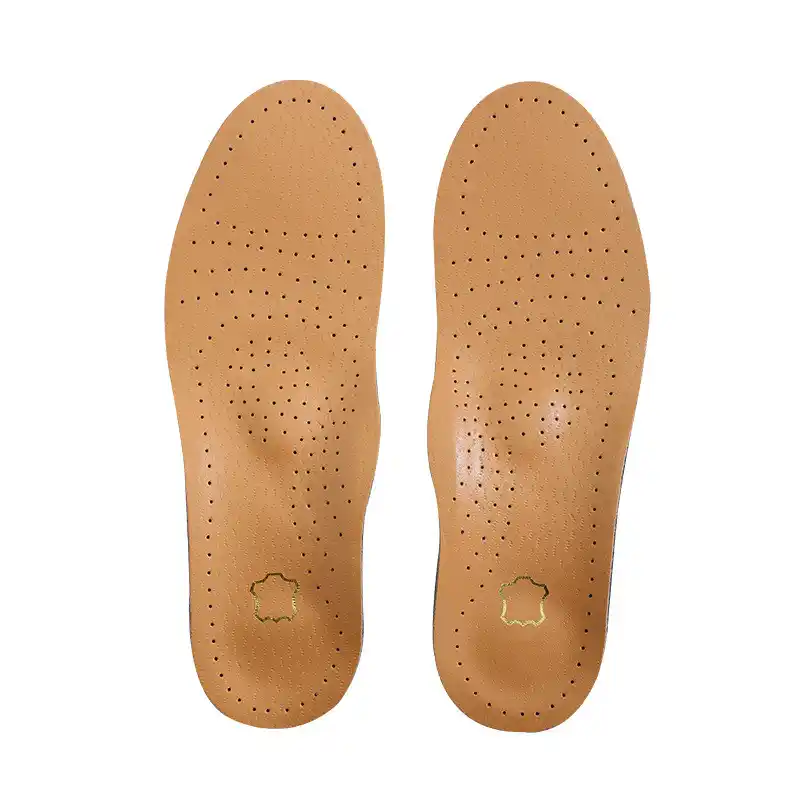
What Are Leatherboard Base Orthopaedic Insoles?
Leatherboard insoles are rigid, sturdy footwear bases manufactured from compressed leather fibre materials. Unlike soft foam substrates, leatherboard provides solid structural stability while retaining subtle flexibility to match natural foot movement.
In orthopaedic footwear production, leatherboard bases are usually combined with cushioning layers such as EVA, latex foam, or textile padding. This creates a hybrid composite insole that delivers firm medical-grade support alongside wearable comfort — the perfect formula for premium custom orthopaedic shoes.
Key Advantages of Leatherboard Base Insoles for Custom Footwear
1. Exceptional Shape Retention & Durability
One of the biggest drawbacks of foam-only insoles is compression fatigue. After months of use, foam flattens, loses arch height, and compromises orthotic correction. Leatherboard base orthopaedic insoles avoid this issue entirely. The compressed fibre structure resists flattening, bending, and permanent deformation, ensuring the shoe maintains its original support geometry for years.
This durability is why luxury bespoke shoemakers and orthopaedic clinics rely on leatherboard insoles for their highest-grade footwear projects.
2. Firm, Medical-Grade Structural Support
Premium custom orthopaedic shoes are often built to correct flat feet, overpronation, arch collapse, and chronic foot fatigue. These corrective functions require a rigid base that does not flex unnecessarily under load.
Leatherboard base insoles deliver consistent arch and heel support, helping stabilise the foot during standing and walking. Compared with flexible foam insoles, they offer far stronger biomechanical correction, making them ideal for therapeutic and custom orthotic footwear.
3. Superior Finishing & Premium Shoe Texture
For custom shoemakers, the insole base material directly affects the final shoe fit, moulding, and overall finish. Leatherboard features uniform density and a smooth, stable surface that bonds perfectly with upper materials, adhesives, and cushioning layers.
Shoes built with leatherboard insoles hold their last shape better, fit more precisely, and deliver a premium underfoot feel that customers instantly recognise as high-quality craftsmanship.
4. Excellent Customisation & Workability
Although leatherboard is firm, it is fully workable for professional cobblers. It can be trimmed, bevelled, heat-shaped, and layered to create fully bespoke orthotic profiles. Shoemakers can adjust thickness, edge angles, and arch contours to match individual customer foot shapes and shoe styles.
This balance of rigidity and customisability makes leatherboard base insoles the gold standard for made-to-order orthopaedic footwear.
Best Applications for Leatherboard Orthopaedic Insoles
Leatherboard base insoles are specifically designed for premium and technical footwear lines, including:
- High-end bespoke dress shoes and custom leather footwear
- Medical-grade orthopaedic shoes requiring long-term correction
- Rehabilitation footwear and post-surgical supportive shoes
- Premium work shoes designed for all-day standing support
- Luxury orthotic footwear for private clinic clients
Why Professional Shoemakers Avoid Foam-Only Insoles for Premium Lines
Foam insoles are lightweight and cheap, but they cannot deliver the structural integrity required for premium custom footwear. Luxury and orthopaedic customers expect their shoes to maintain support, shape, and comfort for years.
Leatherboard base orthopaedic insoles eliminate early flattening, unstable arch support, and poor shoe shaping issues. For manufacturers building a reputation on quality craftsmanship, this material upgrade directly improves customer retention and brand credibility.
Tips for Sourcing Wholesale Leatherboard Base Orthopaedic Insoles
When sourcing leatherboard insoles for production, always prioritise high-density, uniform-grade boards. Low-quality leatherboard may contain uneven fibre compression, leading to inconsistent shaping and reduced durability.
Choose suppliers that offer pre-laminated composite versions with EVA cushioning, custom cutting services, and adjustable thickness options. Flexible bulk orders and low MOQ availability allow small workshops and large factories alike to produce premium orthopaedic footwear without overstocking.
Final Thoughts
Leatherboard base orthopaedic insoles remain the most reliable, high-performance option for premium custom footwear and medical orthopaedic shoe production. Their unbeatable durability, stable support, and superior finishing quality make them essential for shoemakers targeting the high-end European and UK orthopaedic market.
If you want to upgrade your footwear lineup with premium wholesale leatherboard base orthopaedic insoles or require custom-cut orthotic components for your bespoke projects, our bulk supply and OEM custom services can fully support your production needs.
Related Reading:
Composite vs EVA Orthotic Insoles: How Footwear Manufacturers Should Choose
Carbon Fiber Insoles for Sports Footwear: Lightweight Support and Energy Return Solutions