
Selecting suitable orthotic insoles is one of the most critical purchasing decisions for orthopaedic footwear producers. On today’s component market, composite orthotic insoles and pure EVA orthotic insoles are two dominant options frequently compared by shoemakers across the UK and Europe. Each material carries unique strengths, limitations and ideal application scenarios.
Many workshop owners tend to pick insoles purely based on upfront cost. However, mismatched insole materials often lead to poor customer feedback, frequent product returns and compromised therapeutic performance. Understanding the core differences between composite and EVA orthotic insoles helps manufacturers match the right component to their product positioning and avoid unnecessary losses in mass production.
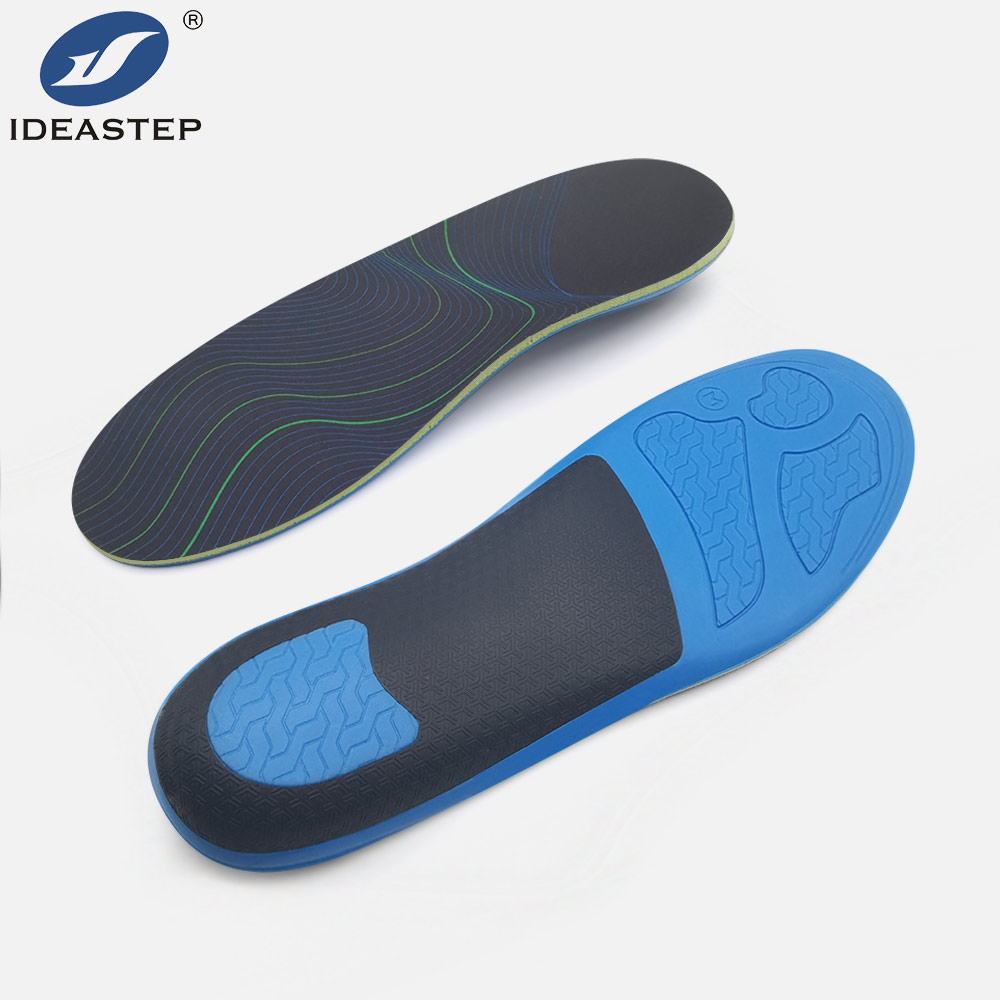
What Are EVA Orthotic Insoles?
EVA orthotic insoles are constructed entirely from ethylene-vinyl acetate foam. Thanks to lightweight texture and low production costs, single-layer or multi-layer EVA insoles are widely used in everyday comfort footwear, casual supportive shoes and entry-level orthotic product ranges.
EVA foam delivers decent cushioning and feels soft underfoot out of the box. Manufacturers can easily cut, shape and modify EVA insoles to fit different shoe lasts. This processability makes them a common choice for low-to-medium budget footwear projects with basic support requirements.
Main Advantages & Limitations of EVA Orthotic Insoles
1. Affordable Raw Material & Lightweight Build
Bulk EVA insoles come with a competitive unit price, helping brands keep retail pricing accessible to broader consumer groups. Their lightweight structure adds minimal extra volume inside shoes, making them suitable for low-profile footwear designs where extra bulk needs to be avoided.
2. Limited Long-Term Structural Support
The biggest downside of standard EVA insoles lies in durability and arch stability. Under continuous weight bearing from daily walking and standing, EVA foam gradually compresses permanently. Over time, the insole loses its shape, and arch support weakens significantly. This characteristic makes pure EVA insoles less ideal for medical orthopaedic footwear requiring long-lasting corrective function.
3. Simple Custom Adjustment for Light-Duty Use
EVA material can be trimmed and heat-adjusted to a certain extent. Even so, it cannot maintain rigid support after shaping. It works best for mild foot fatigue relief rather than correcting flat feet, overpronation or other clinical foot conditions.
What Are Composite Orthotic Insoles?
Composite orthotic insoles adopt a layered construction, combining a rigid supportive base board paired with EVA foam, textile fabric or other cushioning materials. This layered design separates structural support and shock absorption, solving the main weakness seen in single-material EVA insoles.
As we have covered in previous guides, well-built composite orthopaedic insoles remain stable under long-term load. They retain arch and metatarsal support far longer than pure foam alternatives, which explains their popularity among factories producing medical-grade and high-end custom orthopaedic footwear.
Main Advantages & Limitations of Composite Orthotic Insoles
1. Reliable Long-Term Arch & Heel Support
The firm base layer prevents excessive compression. Whether used in daily orthopaedic shoes or rehabilitation footwear, composite insoles sustain consistent foot posture correction over months of regular wear. For manufacturers targeting therapeutic markets, this consistent performance is a core selling point that differentiates premium products from budget comfort shoes.
2. Balanced Support and Cushioning
Composite construction balances stiffness and comfort. The base provides biomechanical stability, while the upper foam layers soften impact during movement. Wearers gain firm arch support without the stiff, uncomfortable feeling found in hard unlined board insoles.
3. Slightly Higher Production Costs
Multi-layer lamination technology and more raw materials push up bulk costs compared to simple EVA insoles. For entry-level mass comfort footwear lines with low profit margins, composite insoles may increase overall production expenditure.
Head-to-Head Comparison: Composite Insoles vs EVA Insoles
Here is a practical overview to help footwear buyers quickly evaluate which option fits their production line:
- EVA Orthotic Insoles: Low cost, ultra-light, soft initial feel; prone to compression. Best for casual comfort shoes, light-duty supportive footwear, short-term usage products.
- Composite Orthotic Insoles: Stable long-term support, strong deformation resistance, balanced cushioning. Best for medical orthopaedic shoes, bespoke orthotics, rehabilitation footwear and high-end therapeutic lines.
- EVA: Limited ability to correct moderate to severe foot biomechanical issues.
- Composite: Suitable for flat feet, overpronation, metatarsalgia and post-injury recovery footwear.
Practical Guidance: How Manufacturers Make the Final Choice
If your product range focuses on affordable casual comfort footwear targeting general consumers seeking basic foot relief, wholesale EVA orthotic insoles offer a cost-effective solution. Keep in mind that you should clearly position these as daily comfort items rather than clinical corrective footwear.
When you manufacture medical orthopaedic footwear, custom bespoke orthotics, work footwear for all-day standing, or rehabilitation shoes for post-surgery patients, composite orthotic insoles are the more professional investment. Longer service life and stable support reduce customer complaints and strengthen your brand reputation in the orthopaedic sector.
Many experienced UK and European shoe suppliers run dual product lines. They stock both EVA and composite insoles, enabling them to serve budget clients and premium therapeutic customers at the same time.
Final Thoughts
There is no universal “better” option between composite and EVA orthotic insoles. The right selection depends entirely on your target market, product positioning, expected service life and functional requirements of your finished footwear.
EVA foam insoles satisfy demand for low-cost, lightweight comfort. Meanwhile, composite layered insoles set the standard for durable, reliable orthopaedic correction. By matching the insole material to your product specifications, you can improve finished shoe quality and avoid unnecessary after-sales troubles.
If you are looking for dependable wholesale composite orthotic insoles and EVA orthotic insoles with custom cutting options and flexible order volumes, our OEM footwear component service can accommodate all your orthopaedic footwear manufacturing demands.
Related Reading:
3/4 Length vs Full Length Orthotic Insoles for Orthopaedic Footwear Production
Heat Moldable Orthotic Insoles: Benefits for Bespoke Shoemakers in UK