Why Orthotic Insoles Are Crucial for Preventing Sports Injuries?
Sports injuries are a common concern for athletes and fitness enthusiasts, affecting areas from the knees and ankles to the Achilles tendon. Studies indicate that approximately 60%-70% of athletes experience some form of foot or lower limb injury during their career.
Custom orthotic insoles are scientifically designed to provide foot support and gait correction. They effectively distribute pressure across the sole, absorb impact, and improve movement patterns, reducing the risk of injuries. For sports shoe brands, rehabilitation centers, and professional sports organizations, high-quality custom insoles not only enhance the user experience but also strengthen professional credibility.
This article presents a real case study, demonstrating the practical effects of orthotic insoles in preventing sports injuries, and provides insights for B2B clients seeking reliable solutions.
Background on Sports Injuries and How Orthotic Insoles Work
Common Types of Sports Injuries
- Knee Issues: such as patellofemoral pain syndrome or meniscus injuries
- Ankle Sprains: frequently occurring in basketball, football, and running
- Achilles and Foot Pressure Problems: often resulting from long-term running or jumping
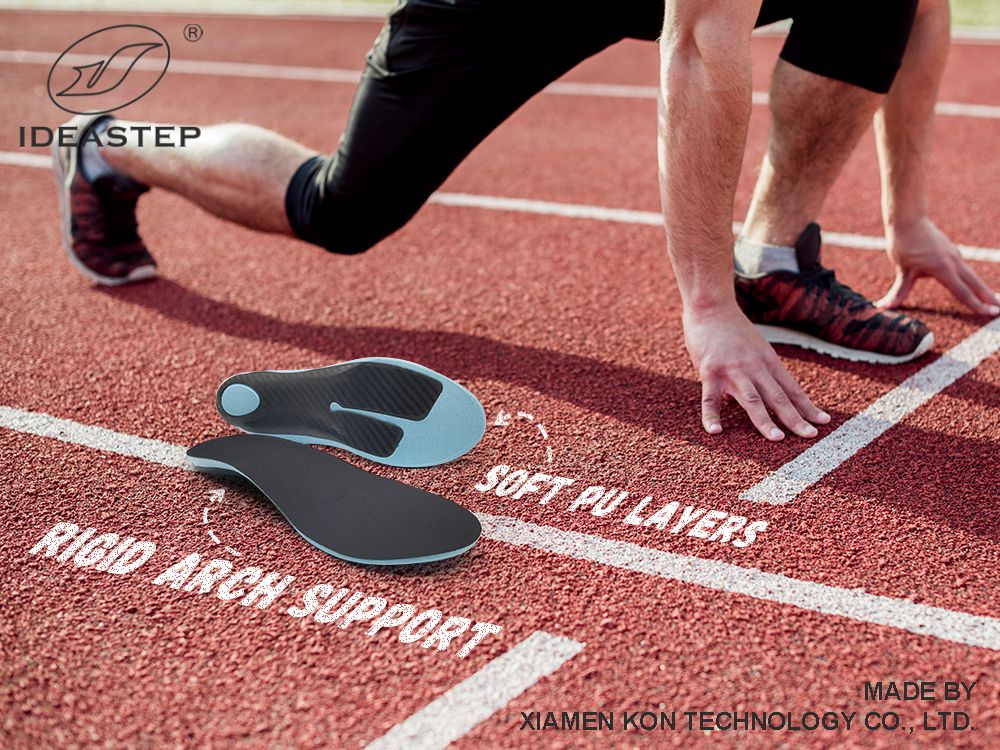
How Orthotic Insoles Help
Custom orthotic insoles achieve the following:
- Arch Support: Maintains foot structure stability and reduces knee stress
- Impact Absorption: Reduces force on the sole and Achilles tendon
- Posture Correction: Improves running and exercise form, enhancing performance
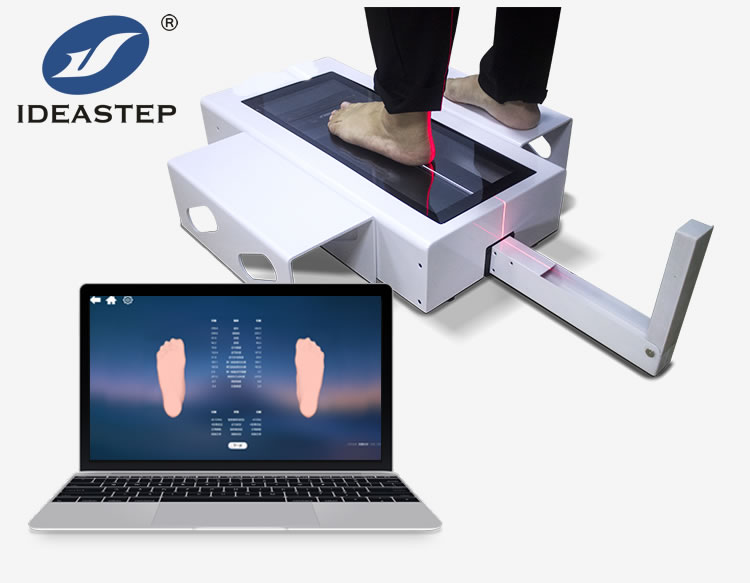
High-quality insoles often use high-resilience polymers, memory foam, or carbon fiber materials, combined with foot scans and gait analysis to provide reliable, customized solutions for enterprise clients.
Case Study Methodology
Study Subject
- A 28-year-old semi-professional runner
- Background: High training volume with mild knee pain and foot fatigue
Intervention
- Used custom orthotic insoles created based on foot scans and gait analysis
- Materials: high-resilience polymer with memory foam for both support and cushioning
Data Collection
- Performance Metrics: running speed, jump height, endurance
- Foot Pressure: monitored with a pressure plate to track gait and pressure distribution
- Subjective Feedback: pain scores and comfort ratings
Data were collected over 8 weeks, with weekly recordings to ensure reliability.
Case Study Results
- Reduced Injury Risk: knee and foot pain decreased from 4.5/10 to 1.2/10
- Improved Gait: more balanced foot pressure distribution, increased ankle stability
- Enhanced Performance: running endurance increased by ~12%, jump stability by ~8%
- Comfort Feedback: athlete reported reduced fatigue and improved comfort during training
Expert Analysis and Discussion
- Arch Support: distributes impact effectively, reducing knee stress
- Impact Absorption: alleviates Achilles stress, lowering micro-injury risks
- Posture Correction: corrects slight inward/outward rotation during running or jumping, enhancing movement efficiency
These findings align with current sports medicine research, such as publications in the Journal of Sports Medicine, which highlight that arch support and impact-absorbing orthotics significantly reduce knee and ankle injury risks. Variations in athlete habits and physical conditions mean outcomes may differ, so enterprise clients should tailor insole selection to specific sports and needs.
Practical Applications and B2B Recommendations
For rehabilitation centers, sports shoe brands, and wholesale enterprises, this case provides actionable insights:
- Custom Insole Services: Combine foot scans and gait analysis for targeted solutions
- Bulk Procurement & Partnerships: Work with reliable suppliers like Ideastep to ensure product quality, timely delivery, and large-scale customization capabilities
- Client Education: Guide athletes on proper use of insoles and expected benefits
- Data Monitoring: Use pressure plates or tracking devices to continually assess effectiveness and meet client needs
Providing scientifically validated products helps businesses deliver high-quality solutions while enhancing professional credibility and client trust.
Conclusion
Custom orthotic insoles have proven effective in preventing sports injuries. They reduce stress on the knees, ankles, and Achilles tendon, improve gait, and enhance athletic performance, offering athletes a more comfortable and safer training experience. For rehabilitation centers, sports shoe brands, and wholesale businesses, partnering with reliable suppliers like Ideastep ensures high-quality custom insoles, satisfies diverse client needs, and boosts professional credibility and market competitiveness. For bulk procurement or custom insole services, contact us to receive expert guidance and success case sharing.
Keep exploring and discover more surprises:Why Professional Sports Insoles Matter?