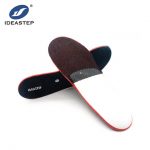
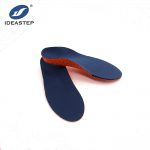
Polypropylene shell orthotics are widely used by podiatry clinics, footwear brands and wholesale distributors for reliable biomechanical correction. Unlike all-foam insoles that only deliver cushioning, the PP shell provides rigid arch and rearfoot stability, typically paired with EVA, cork or fabric top layers to balance correction and wear comfort. Many bulk buyers place orders based solely on unit price, only to encounter inconsistent rigidity, poor thermoforming performance or shell geometries incompatible with standard shoe lasts. This article outlines the core evaluation criteria for OEM and wholesale buyers before committing to large production runs.
1. Confirm PP Grade, Thickness and Rigidity for Your Intended Application
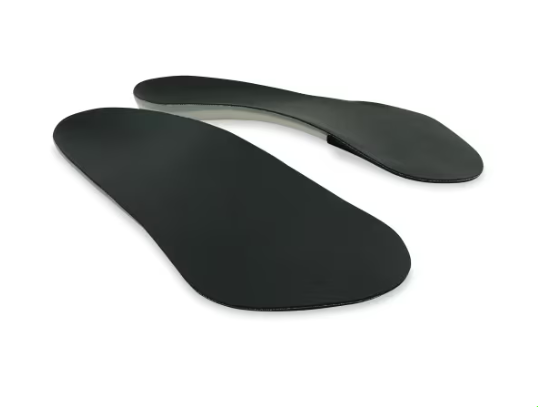
Polypropylene grades are not interchangeable. Copolymer and homopolymer PP behave differently under load, and small changes in sheet thickness directly alter corrective capacity. Thin 1.6mm semi-rigid shells suit mild overpronation and casual footwear. Thicker 2.4mm or 3.2mm shells are specified for clinical correction, work boots and high-support orthotics for flat feet or heel instability.
Request formal material datasheets rather than verbal claims. Prioritise fatigue resistance: quality PP shells resist cracking under repeated loading and maintain shape without creep over months of daily wear. This is the primary failure mode of low-cost alternatives, where shells gradually deform and lose corrective geometry after short-term use.
2. Review Heel Cup, Arch Contour and Medial Post Geometry
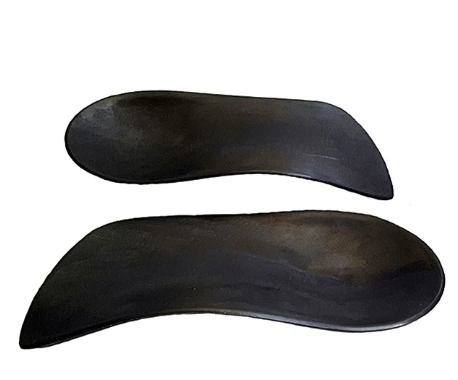
Shell geometry defines clinical performance, and minor design shifts change fit across footwear and patient groups. Deep heel cups stabilise the calcaneus and limit rearfoot rotation; shallow profiles fit dress shoes, running footwear and narrow lasts. The medial post angle must match your product specification; even a 1° deviation impacts pronation control and triggers complaints from podiatry partners.
Test samples inside your target shoe models. Many technically sound shells fail commercially due to excessive bulk, unwanted heel lift or interference with the toe box. For cuttable wholesale lines, verify trimming tolerance and confirm cut edges remain smooth without sharp burrs.
3. Validate Thermoformability and Factory Process Compatibility
A key advantage of PP shells is chair-side heat reshaping, a core requirement for clinics offering custom adjustments. Budget PP formulations heat unevenly, bubble during heating or exhibit high springback after cooling, making consistent clinical fitting unreliable.
For podiatry and rehab clients, test thermal performance using the heating equipment your end users operate. For pre-molded bulk orders, confirm the supplier holds tight dimensional tolerances across batches. Inconsistent forming creates variable arch heights and disrupts downstream lamination with foam top layers.
4. Assess Lamination Quality and Composite Construction
Finished PP shell orthotics almost always combine the rigid PP base with cushioning foams, shock pads and antimicrobial top covers. Poor lamination drives most customer returns. The bond between PP and foam must withstand repeated flex, sweat exposure, cleaning agents and temperature cycling without delamination.
Inspect edge integrity on samples; peeling typically starts at the perimeter. For dual-density builds, match foam firmness to shell rigidity: overly soft foam negates corrective support, while overly firm foam creates metatarsal and arch pressure points.
5. Audit Compliance, Traceability and Batch Consistency
For medical sales to podiatry clinics and diabetic foot programmes, compliance documentation is mandatory. Confirm the PP substrate and finished orthotics meet CE and ISO requirements, with available biocompatibility reports and full batch traceability. Standard footwear-grade PP without supporting documentation cannot be marketed as a medical orthotic in regulated markets.
Test samples from multiple production lots before volume commitment. Variations in raw PP resin change stiffness, forming temperature and surface finish. Suppliers unable to provide batch certificates for Shore hardness and impact resistance introduce unpredictable quality risk for your brand and clinical partners.
6. Clarify OEM Customisation, MOQ and Lead Time Terms
Most bulk buyers require customisation: unique shell profiles, branded printing, custom top fabrics, colour-coded support tiers or pre-sized sets. Clearly separate stock shell options from custom mould development. New arch or heel cup geometries usually require separate tooling fees and higher minimum order quantities.
Align sampling lead times, pilot run volumes and safety stock arrangements. Clinic-focused distributors rely on predictable shell supply to avoid disrupting patient turnaround. Confirm whether the supplier can supply blank PP shell blanks for your in-house CNC milling and thermoforming, alongside fully laminated finished insoles.
Quick Evaluation Checklist for Bulk PP Shell Orthotic Orders
- PP grade, thickness and fatigue performance data
- Heel cup depth, arch contour and medial post angle
- Thermoforming window, springback behaviour and trimming quality
- Lamination adhesion performance between shell, foam and top fabric
- Certification, biocompatibility and batch traceability records
- Customisation scope, MOQ, tooling cost and production lead time
Buyers often treat PP shells as simple plastic components, but they are the functional foundation of the orthotic. Cutting corners on shell specifications leads to weak clinical outcomes, elevated return rates and damaged partnerships with podiatry and retail clients.
Final Takeaway
PP shell orthotics deliver dependable biomechanical control and work for both prefabricated wholesale lines and custom clinic orthoses. Reliable bulk sourcing depends on validated material performance, controlled geometry, durable lamination and verified compliance before scaling. The right supplier provides shells that retain correction, form cleanly and maintain consistent quality shipment after shipment.
If you source PP shell orthotics for clinic networks or footwear brands and need custom thickness profiles, laminated assemblies or certified medical-grade options, contact our team to review your specifications and arrange validated samples.
Related Post:
How PP Shell, EVA and Gel Shape Prefabricated Orthotic Insole Design
PP Shell Orthotic Insoles for Wholesale: Materials, Structure, and Product Applications