With the continuous growth of the global diabetic population, diabetic foot care has become an increasingly important topic in both healthcare and functional footwear industries. According to data from the International Diabetes Federation (IDF), hundreds of millions of adults worldwide are affected by diabetes, and foot complications remain one of the most serious causes of reduced mobility and lower quality of life.
For footwear manufacturers, this growing demand represents not only a larger market opportunity but also a higher-value product segment with strong technical requirements. Compared with standard insoles, professional diabetic foot care insoles must balance pressure relief, support, comfort, and protection to reduce the risk of foot injuries and ulcers.
This article explores diabetic foot care insole design principles, material selection, OEM/ODM customization, and market opportunities for footwear brands, medical shoe manufacturers, and procurement teams.
Why Do Diabetic Patients Need Specialized Insoles?
Diabetic foot is not a single condition but a combination of complications caused by nerve damage, poor blood circulation, and structural changes in the foot.
Common symptoms include:
- Reduced or lost foot sensation
- Inability to feel pain or pressure
- Abnormal plantar pressure distribution
- Delayed wound healing
- Increased risk of infection
For general consumers, soft insoles may provide comfort. However, for diabetic patients, softness alone is not enough.
Clinical studies show that excessive plantar pressure is one of the main causes of diabetic foot ulcers. Therefore, the core function of diabetic insoles is not only comfort but also pressure redistribution and reduction of peak pressure zones.
Key Features of Professional Diabetic Foot Care Insoles
1. Pressure Redistribution and Offloading Design
One of the most important functions of diabetic insoles is reducing plantar pressure concentration.
During walking, the forefoot, metatarsal region, and heel experience the highest pressure. Continuous pressure concentration in these areas can increase the risk of skin breakdown.
Professional designs typically include:
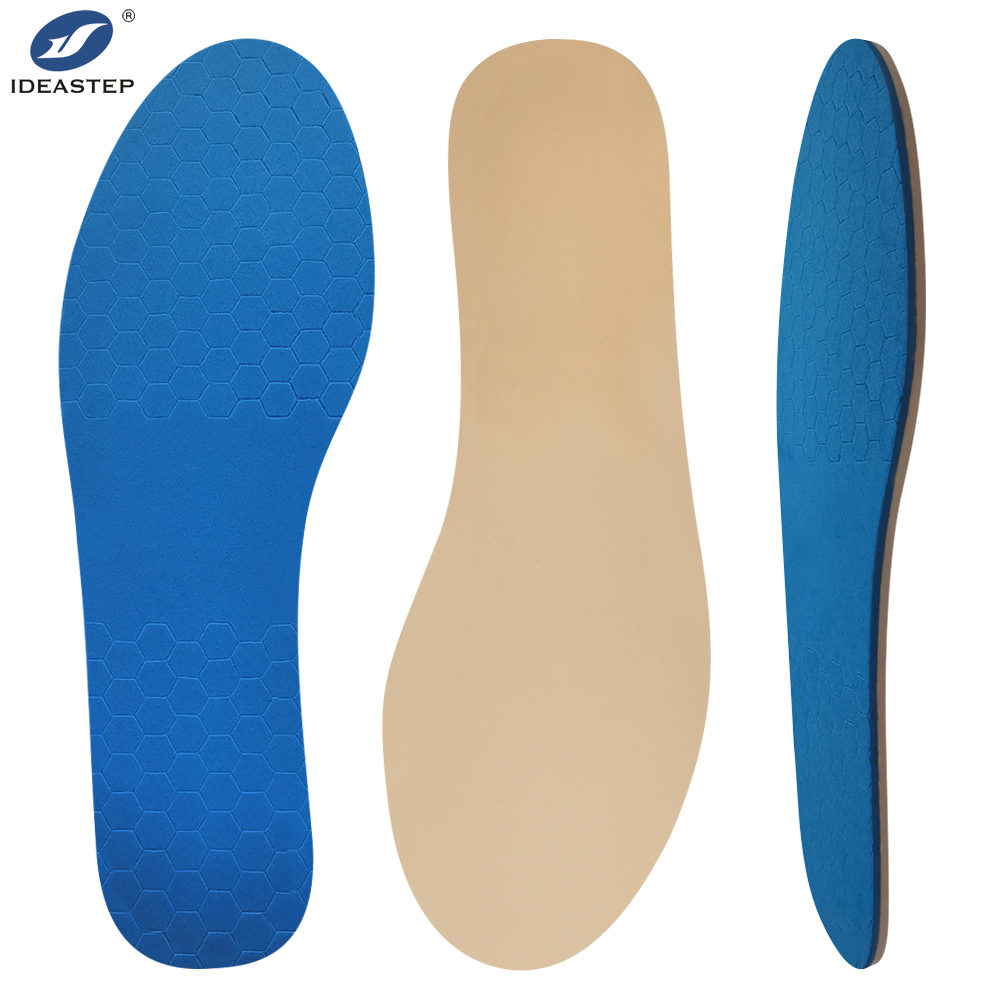
- Multi-density material structures
- Zoned cushioning systems
- Pressure redistribution layouts
- Metatarsal offloading zones
These features help reduce localized high-pressure areas and improve walking safety.
2. Scientific Arch Support System
The arch plays a key role in body weight distribution and gait stability.
For diabetic patients, insufficient arch support may lead to:
- Uneven plantar pressure distribution
- Increased joint stress
- Reduced stability during walking
- Fatigue and discomfort
A well-designed arch support system helps maintain natural foot alignment and improves biomechanical balance during movement.
3. Excellent Shock Absorption Performance
Every step generates impact forces that travel through the feet and lower limbs.
For patients with reduced foot sensitivity, repetitive impact can cause unnoticed tissue damage.
High-quality diabetic insoles use energy-absorbing materials and cushioning layers to reduce heel and forefoot stress during walking.
4. Antibacterial and Breathable Design
Diabetic patients are more vulnerable to infections, making hygiene an important factor in insole design.
Modern insoles often include:
- Silver-ion antibacterial treatment
- Moisture-wicking fabrics
- Breathable mesh layers
- Ventilation structures
These features help maintain a dry environment inside the shoe and reduce bacterial growth and odor.
Common Materials Used in Diabetic Foot Insoles
EVA (Ethylene Vinyl Acetate)
EVA is one of the most widely used materials in the insole industry.
Key advantages include:
- Lightweight structure
- Good cushioning performance
- Easy thermoforming process
- Cost-effective for mass production
Typical EVA densities range from 50–80 kg/m³, and high-rebound EVA can achieve over 60% resilience, offering a good balance between comfort and support.
PU (Polyurethane)
PU is widely used in premium and medical-grade footwear due to its durability.
Advantages include:
- Long-term shape stability
- Strong compression resistance
- High durability under repeated use
Memory Foam
Memory foam adapts to foot contours for personalized comfort.
Features include:
- High adaptability
- Excellent comfort level
- Effective pressure distribution
Gel Materials
Gel is often used in localized cushioning zones such as the heel and forefoot.
- Heel impact absorption
- Forefoot pressure reduction
- Metatarsal protection
How Footwear Manufacturers Develop High-Performance Diabetic Insoles
Design Based on Plantar Pressure Data
Modern manufacturers increasingly use plantar pressure analysis systems to guide product development.
This allows engineers to identify high-pressure zones, gait abnormalities, and uneven load distribution.
Multi-Layer Material Structure
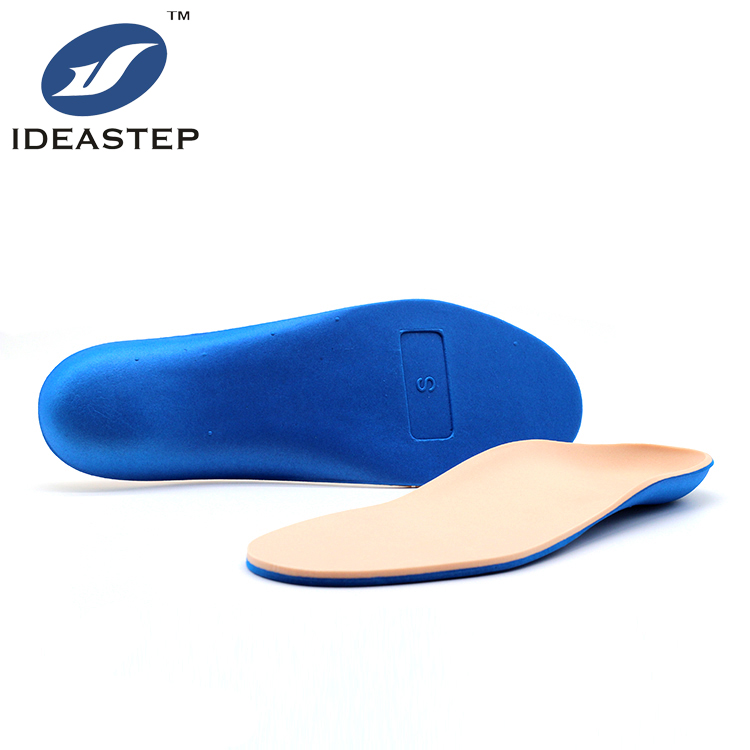
High-performance insoles typically use a layered structure:
- Top layer: breathable antibacterial fabric
- Middle layer: shock-absorbing material
- Bottom layer: high-density support base
Customized Solutions
Different users have different foot structures and medical needs.
Customization options include:
- Arch height adjustment
- Foot shape adaptation
- Pressure zone reinforcement
- Orthotic support design
OEM & ODM Diabetic Insole Manufacturing Services
For footwear brands and importers, OEM/ODM services provide a fast track to market entry.
Customization options include:
Material Customization
- EVA density adjustment
- PU hardness modification
- Composite material development
Structural Customization
- Arch support design
- Heel cushioning system
- Forefoot offloading zones
Brand Customization
- Logo embossing
- Custom packaging
- Color customization
Functional Customization
- Antibacterial treatment
- Odor control features
- Anti-slip design
- Removable structure options
How to Choose a Reliable Diabetic Insole Supplier
R&D Capability
- Plantar pressure testing systems
- Biomechanical research experience
- Product innovation capability
Manufacturing Capacity
- Automated production equipment
- Strict quality control systems
- Large-scale production capability
Certifications
- ISO 9001 Quality Management System
- ISO 13485 Medical Device Quality System
- CE certification
- FDA compliance (where applicable)
These certifications help ensure product reliability and facilitate entry into international markets.
Market Trends and Opportunities
With aging populations and increasing health awareness, the functional insole market continues to grow globally.
Beyond diabetic patients, demand is also rising among:
- Elderly consumers
- Rehabilitation patients
- Workers who stand for long hours
- People with plantar fasciitis
- Sports recovery users
For footwear manufacturers, integrating diabetic insole technology into comfort shoes, orthopedic shoes, and functional sports footwear can unlock significant new market opportunities.
Conclusion
Professional diabetic foot care insoles are more than comfort accessories—they are essential tools for reducing plantar pressure, improving gait stability, and protecting foot health.
By adopting advanced pressure distribution designs, high-performance materials, and customized OEM/ODM solutions, footwear manufacturers can meet the growing demand for diabetic care products while increasing product value and entering the high-growth medical footwear market.
As consumer awareness of foot health continues to rise, diabetic insoles combining comfort, support, and medical-grade functionality will become a key direction for future product innovation.
Dive deeper and expand your horizons: Diabetic insoles reference