Introduction: The Real Role of Orthotics in Podiatry
In podiatry clinics, foot pain is rarely just a local issue—it often relates to the biomechanics of the entire lower limb. In clinical practice, orthotics are one of the most commonly used conservative treatments. They help adjust foot loading patterns, correct abnormal gait, and reduce the risk of repetitive injuries.
For podiatrists, the focus is not just “where it hurts” but rather how the patient’s feet bear weight and compensate during standing and walking.

How Podiatrists Assess Foot Problems
1. Gait and Loading Assessment
Doctors observe key indicators during walking, such as:
- Excessive pronation or supination
- Collapsed arches under weight-bearing
- Inward or outward tilt of the ankle
- Asymmetrical gait patterns
Often, these biomechanical observations are more important than the location of pain itself.
2. Structural Examination
Assessment includes arch height, rearfoot alignment, forefoot rotation, and soft tissue condition. Podiatrists differentiate between:
- Structural deformities
- Functional instabilities
This step directly determines the need for orthotics.
3. Pressure and Imaging Analysis
Some patients undergo plantar pressure mapping, X-rays, or gait video analysis to identify abnormal load distribution.
Main Clinical Uses of Orthotics
1. Pain Management
Common indications include plantar fasciitis, Achilles overuse, and chronic foot pain. Orthotics help reduce local tissue strain by redirecting force paths.
2. Gait Correction
Orthotics are used to control:
- Excessive pronation
- Collapsed arches
- Foot supination or instability
Clinically, patients often show improved ankle alignment and more stable gait after using orthotics.
3. Load Redistribution
For diabetic patients or those with high-pressure zones, orthotics help:
- Reduce peak pressure
- Redistribute plantar load
- Minimize tissue damage risk
4. Injury Prevention
In runners or high-impact athletes, orthotics help reduce knee load, prevent repetitive stress injuries, and improve gait efficiency.
Types of Orthotics in Clinical Practice
1. Custom Orthotics
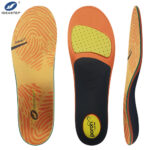
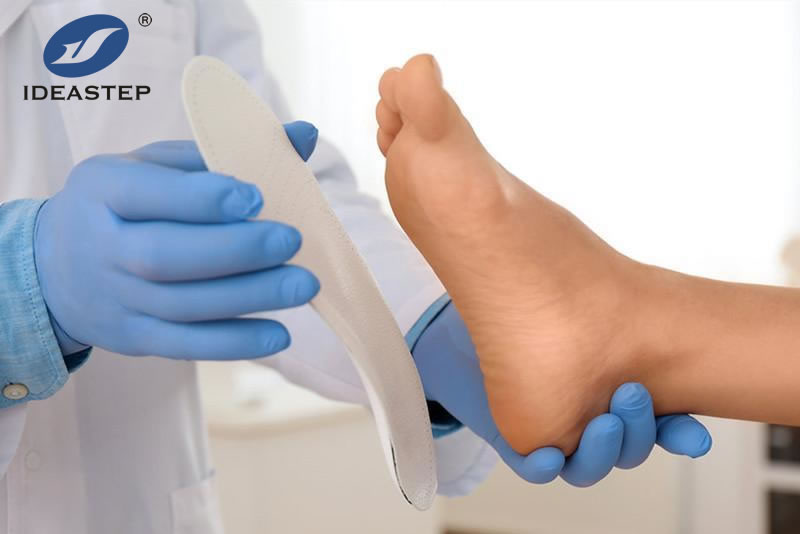
Used for patients with significant structural abnormalities, chronic pain, or complex gait issues. They are made using foot molds or 3D scans for precise, targeted support.
2. Prefabricated Insoles
Suitable for mild foot discomfort, early overpronation, or daily support needs. Often used as a first-step trial in clinical practice.
3. Sports or Functional Orthotics
Designed for runners or highly active patients. Focuses on balancing support and shock absorption to optimize gait and reduce injury risk.
Clinical Decision-Making Process
Orthotics are not prescribed automatically. Podiatrists usually follow a stepwise approach:
- Confirm whether the issue is biomechanical (structural or functional)
- Prioritize conservative treatments:
- Shoe modifications
- Foot exercises
- Orthotics
- Evaluate response: pain reduction, gait improvement, and load distribution
Monitoring Orthotic Effectiveness
Subjective Improvement
- Reduced pain
- Longer standing tolerance
- Lower fatigue
Objective Changes
- More stable gait
- Reduced pronation angles
- Even plantar pressure distribution
Some patients notice measurable improvements within 2–4 weeks.
The Importance of Patient Participation
Orthotics are most effective when combined with:
- Foot muscle exercises (e.g., arch activation)
- Calf and plantar fascia stretching
- Appropriate footwear
- Regular follow-ups and adjustments
Doctors emphasize that orthotics provide structural support rather than passive treatment.
Common Clinical Questions
Q1: Does every patient with foot pain need orthotics?
No. The decision depends on biomechanical assessment results.
Q2: How long does it take to see results from orthotics?
Mild cases may improve within 2–4 weeks, while complex cases require longer adaptation.
Q3: Are custom orthotics always better than prefabricated insoles?
Not necessarily. Prefabricated insoles may be sufficient for mild problems.
Q4: Can orthotics permanently change foot structure?
They mainly improve functional alignment rather than permanently altering bone structure.
Conclusion
In clinical podiatry, orthotics are not just comfort devices—they are an essential component of conservative treatment strategies. By addressing abnormal biomechanics, reducing tissue overload, and improving gait efficiency, orthotics help improve patient function and quality of life. They are most effective when combined with exercise therapy, footwear modifications, and regular follow-up.
Related Post: The Role Of Prefabricated Insoles For Podiatrists And Patients