Introduction: What is Overpronation?
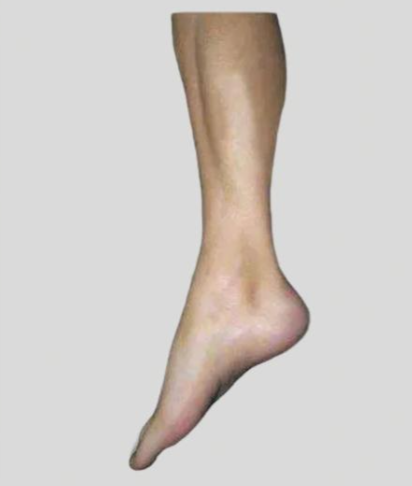
During normal walking or running, the foot naturally rolls slightly inward upon landing to absorb shock. However, when this inward motion is excessive, the arch collapses and the ankle tilts inward, a condition called overpronation.
While subtle at first, overpronation can have long-term effects on the lower limb alignment, including:
-
- Foot pain or fatigue
- Plantar fasciitis
- Increased pressure on the inner knee
- Hip instability
- Lower back discomfort
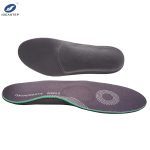
Foot specialists and sports medicine experts recommend early intervention using orthotic insoles as a safe and effective solution.
Causes of Overpronation
1. Flat Feet or Collapsed Arches
People with flat feet have lower arches, making their feet prone to inward collapse under weight-bearing, leading to overpronation.
2. Weak Foot and Ankle Muscles
The posterior tibial muscle is crucial for maintaining arch stability. Weakness in this muscle can compromise arch support and stability.
3. Wearing Unsupportive Shoes
Prolonged use of shoes that lack arch support, have soft or worn-out soles, or have deformed over time can worsen overpronation.
4. Genetics and Bone Structure
Some individuals have inherited skeletal alignment traits that increase the likelihood of overpronation.
Signs You May Have Overpronation
Foot Symptoms
- Arch fatigue or soreness
- Heel pain after long periods of standing
- Feet feel “collapsed” when walking for long distances
Lower Limb Symptoms
- Knees slightly turning inward
- Calf discomfort
- Slower recovery after exercise
Shoe Wear Patterns
A simple visual check: if the inner side of your shoe sole wears faster than the outer side, it often indicates overpronation.
How Orthotic Insoles Help
1. Arch Support
Proper arch support helps maintain foot stability and reduces arch collapse under weight-bearing.
2. Alignment Correction
Insoles limit excessive inward roll, keeping the ankle neutral and reducing abnormal knee stress.
3. Pressure Redistribution
Orthotic insoles distribute pressure across the foot, reducing fatigue and localized strain.
4. Stability Enhancement
During walking, running, or prolonged standing, insoles improve balance and reduce fatigue.
Key Features of Quality Orthotic Insoles
1. Arch Support System
Choose support based on your arch type:
- Low arch
- Medium arch
- High arch
2. Deep Heel Cup
Stabilizes the heel, reduces side-to-side movement, and improves gait control.
3. Motion Control Structure
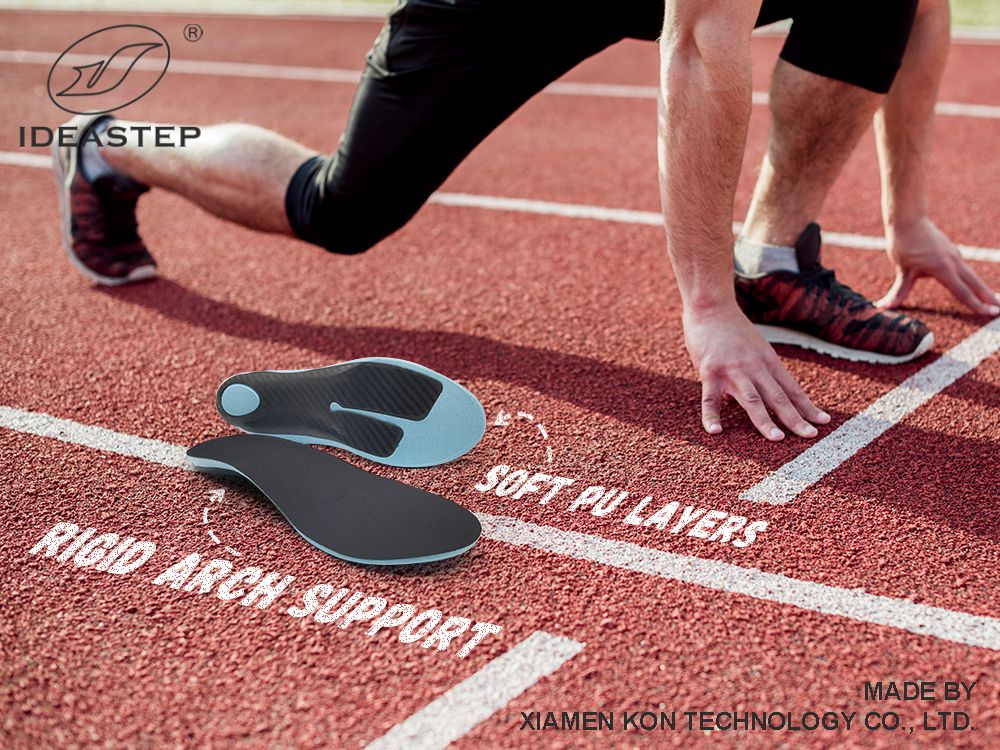
For moderate to severe overpronation, some insoles include rigid support plates or TPU shells to limit excessive inward rotation.
4. Multi-layer Cushioning
- EVA: lightweight cushioning
- PU foam: durable support
- Gel layer: shock absorption
- TPU shell: structural stability
Choosing the Right Insoles
Everyday Use
Lightweight and comfortable insoles reduce fatigue during long hours of standing or walking.
Running and Sports
Require stronger support and shock absorption to prevent injuries.
Flat Feet
Choose insoles with firm arch support to improve gait over time.
Plantar Fasciitis
Focus on heel cushioning and balanced arch support to relieve inflammation.
Additional Ways to Improve Overpronation
1. Foot Muscle Training
- Toe raises
- Towel curls
- Arch lifts
2. Calf and Foot Stretching
Stretch the calves, Achilles tendon, and plantar fascia to improve flexibility.
3. Supportive Shoes
Use stability or motion control shoes for built-in correction.
4. Maintain Healthy Weight
Excess weight increases foot pressure, worsening overpronation.
How Long Does It Take to See Results?
Short-term (2–4 weeks)
- Reduced foot fatigue
- Improved stability
- Pain relief
Long-term (3–6 months)
- Gait stabilizes
- Lower limb alignment improves
- Enhanced exercise performance
Note: Adaptation time varies by individual.
Common Mistakes When Using Insoles
- Focusing only on cushioning instead of support
- Ignoring arch type compatibility
- Using worn-out insoles
- Expecting immediate results
FAQ
Q1: Can orthotic insoles completely fix overpronation?
They significantly improve gait and symptoms, but optimal results usually require exercises and proper footwear.
Q2: What’s the difference between regular and orthotic insoles?
Regular insoles provide comfort; orthotic insoles provide structural support and alignment correction.
Q3: Can overpronation cause knee pain?
Yes, abnormal force distribution can increase knee stress over time.
Q4: Can runners benefit from orthotic insoles?
Yes, they help reduce the risk of running injuries and improve stability.
Conclusion
Overpronation is common but can affect the entire lower limb and back if ignored. Proper orthotic insoles, combined with foot exercises and supportive shoes, can effectively reduce arch collapse, improve gait, and relieve pressure. Using insoles is a cost-effective and sustainable solution for long-term foot health.
Curious about overpronation? Find out more here: orthotics for overpronation