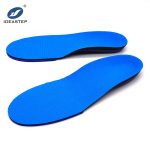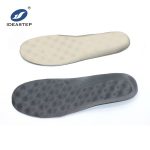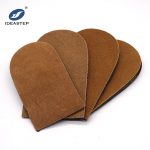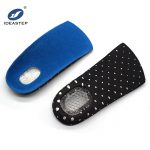
Developing Running Insoles for Better Foot Support
Running creates repeated impact on the heel and arch areas, making footwear support an important factor for comfort and performance. For runners with plantar fasciitis concerns, standard flat insoles may not provide enough support or cushioning during movement.
Running insoles for plantar fasciitis are designed with targeted arch support, heel cushioning, and pressure management features to improve the overall running experience.
For sports footwear brands and foot care companies, developing an effective insole requires more than selecting soft materials. The structure, material combination, and fit inside the shoe all influence the final performance.
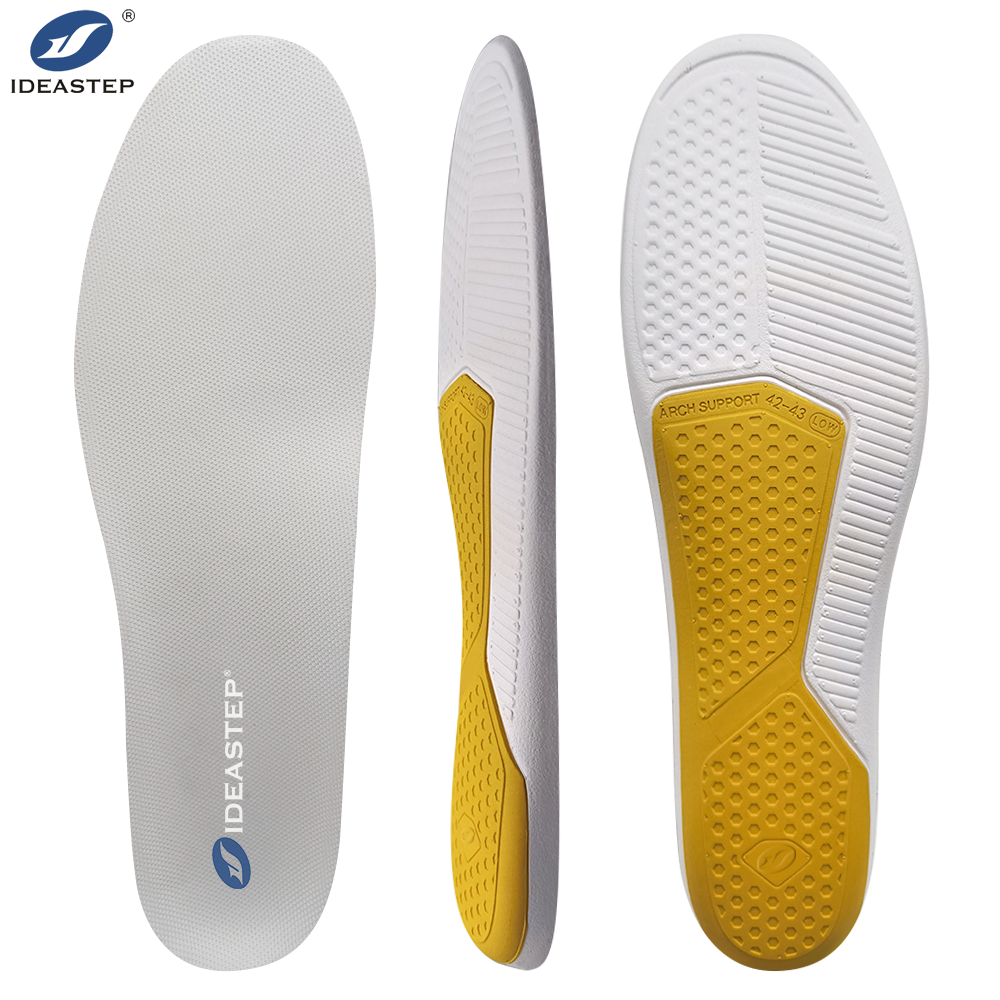
Key Design Considerations for Plantar Fasciitis Running Insoles
Balanced Arch Support
A suitable arch structure helps distribute pressure more evenly during running.
However, effective support does not mean making the insole overly rigid. The design needs to provide stability while allowing natural foot movement.
Important design factors include:
- Arch contour
- Support height
- Midfoot structure
- Flexibility zones
Different users and footwear categories may require different support levels, which is why customization plays an important role in product development.
Heel Cushioning and Impact Control
The heel absorbs significant impact during running. Cushioning materials are often added to improve comfort and reduce repeated stress from ground contact.
Common material combinations include:
- EVA foam for lightweight cushioning
- PU foam for durability and resilience
- Gel layers for additional impact absorption
The right combination depends on the intended application, whether it is daily running, training footwear, or performance sports shoes.
Stability Inside the Shoe
A running insole needs to stay stable during movement.
Features such as:
- Deep heel cups
- Supportive base layers
- Anti-slip top fabrics
help improve shoe fit and reduce unnecessary movement.
This is especially important for runners who spend longer periods training or covering greater distances.
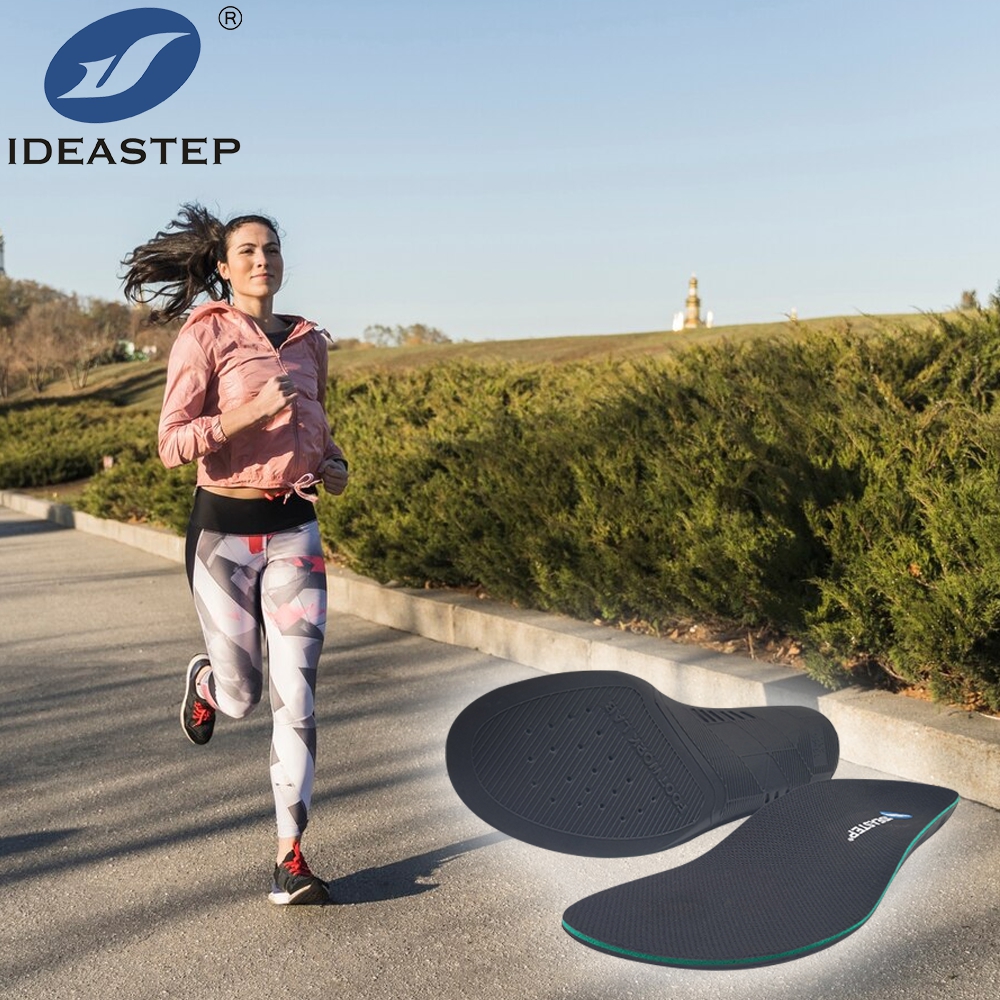
Applications of Plantar Fasciitis Running Insoles
Running Footwear
Sports brands often use specialized insoles to improve comfort and support in:
- Daily running shoes
- Training shoes
- Long-distance footwear
The challenge is maintaining a balance between cushioning performance, weight, and flexibility.
Walking and Comfort Footwear
The same design concepts are also widely used in walking and everyday footwear.
Products can be developed for users looking for:
- Improved arch support
- Better heel cushioning
- Enhanced daily comfort
This creates additional opportunities for foot care brands and footwear companies.
Custom Running Insole Development
For B2B customers, customized design is often more valuable than standard products.
A running insole project may involve adjustments in:
Material Selection
Manufacturers can customize:
- EVA density and hardness
- Foam combinations
- Cushioning layers
- Top cover materials
These choices affect comfort, durability, and product positioning.
Structure Optimization
Different shoes require different insole designs.
Development adjustments may include:
- Arch height
- Heel cup structure
- Thickness
- Flexibility
These details help ensure the final product fits different footwear models.
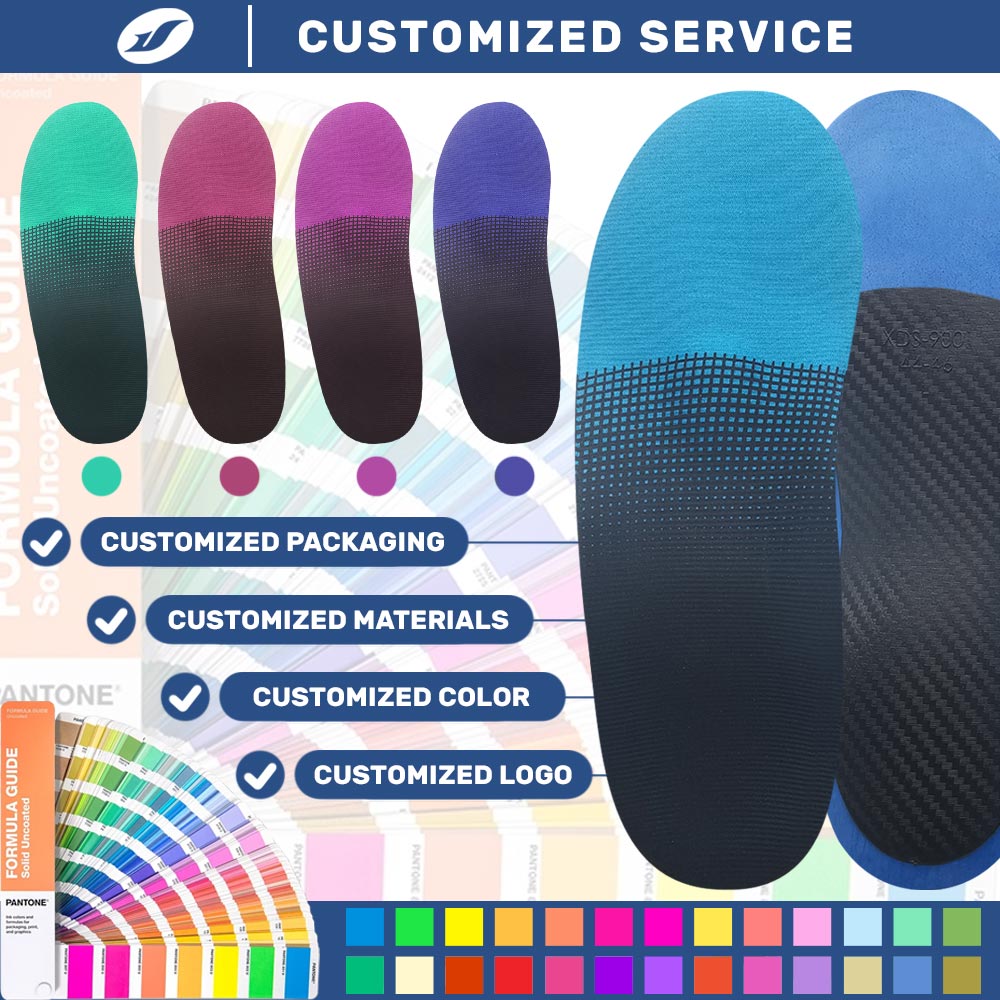
OEM Manufacturing for Running Insoles
For footwear brands, distributors, and foot care companies, OEM production provides a practical way to develop customized running insoles.
Manufacturing support may include:
- Product design
- Material recommendations
- Prototype development
- Sample adjustment
- Bulk production
A reliable manufacturing partner helps brands shorten development time while maintaining product consistency.
Selecting a Running Insole Manufacturing Partner
When sourcing running insoles for plantar fasciitis, businesses should evaluate:
Technical Experience
Experience with sports and orthotic insoles helps manufacturers understand how structure and materials affect performance.
Material Capability
Knowledge of EVA, PU, gel, and composite materials allows suppliers to recommend suitable solutions.
Customization Ability
Flexible development options help brands create products that match their target market.
Production Reliability
Stable processes and quality control are essential for long-term cooperation.
Building Better Running Insole Solutions
Developing running insoles for plantar fasciitis requires a balance between support, cushioning, and practical footwear application.
For sports brands and foot care companies, choosing a supplier with design experience and manufacturing capability is essential for creating reliable products.
Through proper material selection, structural optimization, and customized development, businesses can create running insole solutions that provide better comfort and support for different footwear markets.
Related Reading:
What are the functions of running insoles?
What material is suitable for running insoles?