EVA foam sheets are widely used in orthotic insole and footwear manufacturing. Their density, hardness, elasticity, and processing characteristics make them suitable for different product structures. However, selecting the right material requires more than comparing appearance or price. Manufacturers also need to consider how the foam performs during cutting, milling, molding, and assembly.
For orthotic insole factories, footwear manufacturers, and material distributors, these factors directly influence material selection and production planning. This article looks at the main properties of EVA foam sheets, common processing methods, and key sourcing considerations. It also introduces the IDEASTEP 101# Green Camouflage EVA Foam Sheet.

Why EVA Foam Is Used in Orthotic Insole Manufacturing
EVA (Ethylene Vinyl Acetate) is a commonly used foam material in footwear production. Manufacturers value its relatively low weight, elastic properties, and adaptability to different processing methods. Depending on its formulation, EVA can serve as a cushioning layer or form part of a more structured insole construction.
Lightweight Material Structure
EVA foam provides a lightweight material option for orthotic insoles, sports insoles, and other footwear components. Its weight varies with density, thickness, and formulation, so manufacturers should select specifications based on the intended product design.
Elasticity and Cushioning
The elasticity and cushioning characteristics of EVA depend on its material formulation and physical properties. Different hardness levels can meet different structural requirements, making material selection an important part of insole development.
For production applications, manufacturers should evaluate compression and recovery behavior through sample testing rather than relying solely on general product descriptions.
Flexible Processing Options
EVA sheets can be processed through cutting, trimming, CNC milling, and suitable molding methods. This versatility allows manufacturers to use the material in both standard insole production and customized orthotic projects.
Key Factors to Consider When Selecting EVA Foam Sheets
Not all EVA foam sheets have the same physical properties or processing performance. Before choosing a material, manufacturers should compare several specifications to ensure that the sheet matches the requirements of the finished product.
Density and Hardness
Density and hardness influence the firmness, structure, and overall characteristics of EVA foam. Different insole designs may require different combinations of these properties.
Buyers should request clear technical specifications from suppliers before placing an order. For customized projects, confirming the required values in advance also helps maintain consistency across production batches.
Elasticity and Compression Characteristics
Elasticity and compression behavior affect how EVA foam responds to applied pressure. These characteristics vary according to density, hardness, and formulation.
Manufacturers should test samples under their actual production conditions. When EVA forms part of a multi-layer insole, its compatibility with the other materials also needs to be considered.
Thickness and Sheet Dimensions
Sheet thickness and dimensions affect material utilization, cutting efficiency, and the final product profile. Standard sheet sizes may suit regular production, while customized dimensions can support specific product designs.
Before ordering, buyers should confirm the required length, width, and thickness according to their drawings and processing equipment.
Surface Quality and Material Consistency
Surface condition, color appearance, and material uniformity are important quality inspection points. Noticeable variations may affect subsequent processing or the appearance of finished products.
For camouflage EVA sheets, buyers should also check pattern distribution and color consistency. Clear acceptance requirements make it easier to manage quality during repeat orders.
Processing Compatibility
Manufacturers using cutting, CNC milling, or molding equipment should check whether the selected EVA formulation suits their production process. Material hardness, density, and thickness can all influence processing results.
Sample testing with actual equipment is a practical way to assess machinability and identify potential production issues before placing a bulk order.
Processing Methods for EVA Foam in Custom Insole Production
EVA foam sheets support several processing methods used in orthotic and footwear manufacturing. The appropriate method depends on the material specifications, product design, and available equipment.
Cutting and Trimming
Cutting and trimming are common steps in EVA insole production. Manufacturers use product drawings or templates to process sheets into the required shapes and dimensions.
Material thickness and hardness should match the capabilities of the cutting equipment. Proper material selection also helps maintain dimensional accuracy and reduce unnecessary waste.
CNC Milling
CNC milling is widely used in customized orthotic production. Based on digital design files, CNC equipment machines foam materials into specific profiles and contours.
EVA sheets can be considered for this process, although machinability varies with formulation, density, and hardness. Manufacturers should test sample sheets using their own equipment to check cutting quality and dimensional accuracy.
Press Molding
Press molding can be used to form EVA components when the material is suitable for the required process. The final result depends on the formulation, mold design, and processing conditions.
Temperature, pressure, and cycle settings should be confirmed through material testing and supplier guidance before production.
Compatibility with Other Insole Materials
Custom orthotic insoles often combine EVA foam with fabric covers, reinforcement components, and other cushioning materials. Each layer needs to work within the overall product structure.
Manufacturers should consider bonding requirements, material behavior, and processing conditions during product development. Testing the complete construction helps identify compatibility issues before mass production.
IDEASTEP 101# Green Camouflage EVA Foam Sheet
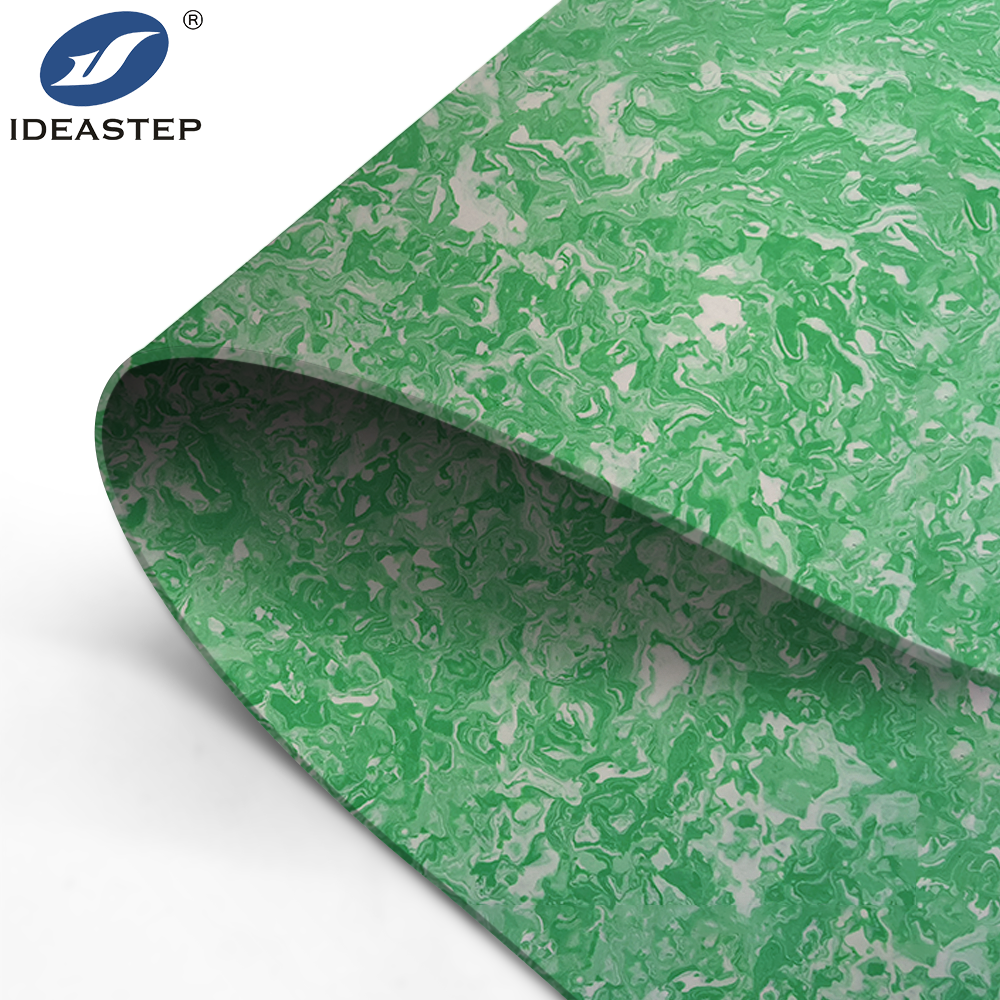
The IDEASTEP 101# Green Camouflage EVA Foam Sheet is designed for orthotic insole manufacturers, footwear workshops, and professional footwear makers. Made from EVA, it features a green camouflage pattern and a lightweight, elastic construction.
Unlike conventional single-color foam sheets, its patterned surface provides another design option for manufacturers developing customized insole and footwear product ranges.
Green Camouflage Pattern
The green camouflage finish gives the 101# EVA sheet a distinctive appearance. It can be considered for custom orthotic insoles and footwear components where the material’s visual design forms part of the product specification.
For OEM projects, buyers can also discuss alternative colors and customized material requirements with the IDEASTEP team.
Lightweight and Elastic EVA Material
The 101# sheet features lightweight, elastic, and durable EVA foam. These characteristics make it a material option for different insole and footwear applications.
Its suitability for a specific production project depends on the required density, hardness, thickness, and product construction. Buyers should confirm the technical specifications before selecting it for regular manufacturing.
Processing and Customization Options
The material supports several processing methods, including:
- Cutting and trimming
- CNC milling
- Press molding, subject to material compatibility
IDEASTEP also offers customization options covering colors, hardness levels, and sheet sizes. These options allow manufacturers to discuss material requirements according to their product designs and production plans.
Product Specifications
| Item | Specification |
|---|---|
| Product Name | Green Camouflage EVA Foam Sheet |
| Model Number | 101# |
| Material | EVA |
| Color | Green Camouflage |
| Main Features | Lightweight, elastic, durable |
| Processing Methods | Cutting, trimming, milling, press molding |
| Applications | Custom orthotic insoles, sports insoles, molded orthotics |
| Customization | Colors, hardness, and sizes |
| Supply Type | OEM and wholesale |
Specific density, hardness, thickness, and sheet dimensions can be confirmed according to the requirements of each project.
Applications of EVA Foam Sheets in Footwear and Orthotic Products
EVA foam sheets are used in several footwear and orthotic product categories. The required material specifications vary depending on the product structure and manufacturing process.
Custom Orthotic Insoles
EVA is commonly used in custom orthotic insole production. Its physical properties and processing flexibility allow manufacturers to develop different shapes and structural configurations.
The IDEASTEP 101# Green Camouflage EVA Sheet offers an additional material option for orthotic workshops and manufacturers developing customized product ranges.
Sports Insoles and Midsole Sheets
EVA foam is also used in sports insole and midsole production. Manufacturers select different material specifications according to the required balance of weight, flexibility, and cushioning characteristics.
For multi-layer designs, EVA should be evaluated alongside the other components to ensure that the complete construction meets the product requirements.
Molded Orthotic Components
Suitable EVA formulations can be considered for molded orthotic components. However, molding performance depends on the material formulation and processing conditions.
Manufacturers should confirm compatibility through technical information and sample testing before using the material in a specific molding process.
Footwear Components and Accessories
Beyond insole production, EVA sheets can be processed into various footwear components and foot care accessories. This gives footwear factories and material distributors additional options when developing related product lines.
What Wholesale Buyers Should Check Before Ordering EVA Foam Sheets
For wholesalers, distributors, and manufacturers, choosing an EVA supplier involves more than comparing prices. Technical specifications, customization capabilities, and supply consistency all deserve attention before an order is confirmed.
Confirm Material Specifications
Request the available density, hardness, thickness, and sheet dimensions. These details help determine whether the material matches the intended application.
For customized orders, confirm all technical requirements with the supplier before production begins.
Evaluate Samples Before Bulk Purchasing
Sample evaluation allows manufacturers to check appearance, processing performance, and compatibility with existing production equipment.
For CNC milling and molding applications, testing under actual production conditions is particularly useful. It helps identify potential issues before larger quantities are ordered.
Review Customization Requirements
Different product ranges may require specific colors, hardness levels, and sheet dimensions. Buyers should discuss these requirements with the supplier and confirm which options are available.
Minimum order quantities, production arrangements, and customization details should also be clarified before an order is placed.
Check Bulk Supply Consistency
For repeat orders, consistent material specifications are important. Buyers should establish clear requirements for physical properties, dimensions, and surface appearance.
Clear communication between the supplier and buyer helps maintain agreed specifications throughout the supply process.
EVA Foam Sheet OEM and Wholesale Supply from IDEASTEP
IDEASTEP supplies EVA materials for orthotic insole manufacturers, footwear workshops, wholesalers, and distributors. The product range supports different material requirements and customized production projects.
The 101# Green Camouflage EVA Foam Sheet provides a lightweight and elastic material option for custom orthotic insoles and related footwear applications. It supports cutting, trimming, and CNC milling, with press molding subject to material compatibility.
For OEM projects, IDEASTEP offers customization options for colors, hardness levels, and sheet sizes according to project requirements.
Whether you are developing a new orthotic insole range or sourcing EVA sheets for ongoing production, the IDEASTEP team can discuss your material specifications and supply needs.
Contact IDEASTEP to request product details, discuss sample evaluation, or inquire about wholesale and OEM cooperation.
Product links: https://www.aideastep.com/product/camouflage-eva-foam-sheet-11/.