Shin splints are the most common overuse injury for runners and fitness users. Triggered by repeated foot impact, unstable gait, overpronation and uneven plantar pressure, this issue causes persistent lower leg soreness and limits athletic performance. For sports shoe manufacturers, wholesalers and rehabilitation clinics, running insoles for shin splints have become a high-demand functional upgrade that solves real end-user pain points.
Generic soft insoles only deliver basic cushioning and cannot correct faulty foot mechanics. Professional running insoles for shin splints are structurally engineered to stabilize foot strikes, balance pressure distribution and reduce recurring tibia stress. This guide walks B2B buyers through core performance standards, sourcing criteria and OEM customization options for reliable bulk procurement.
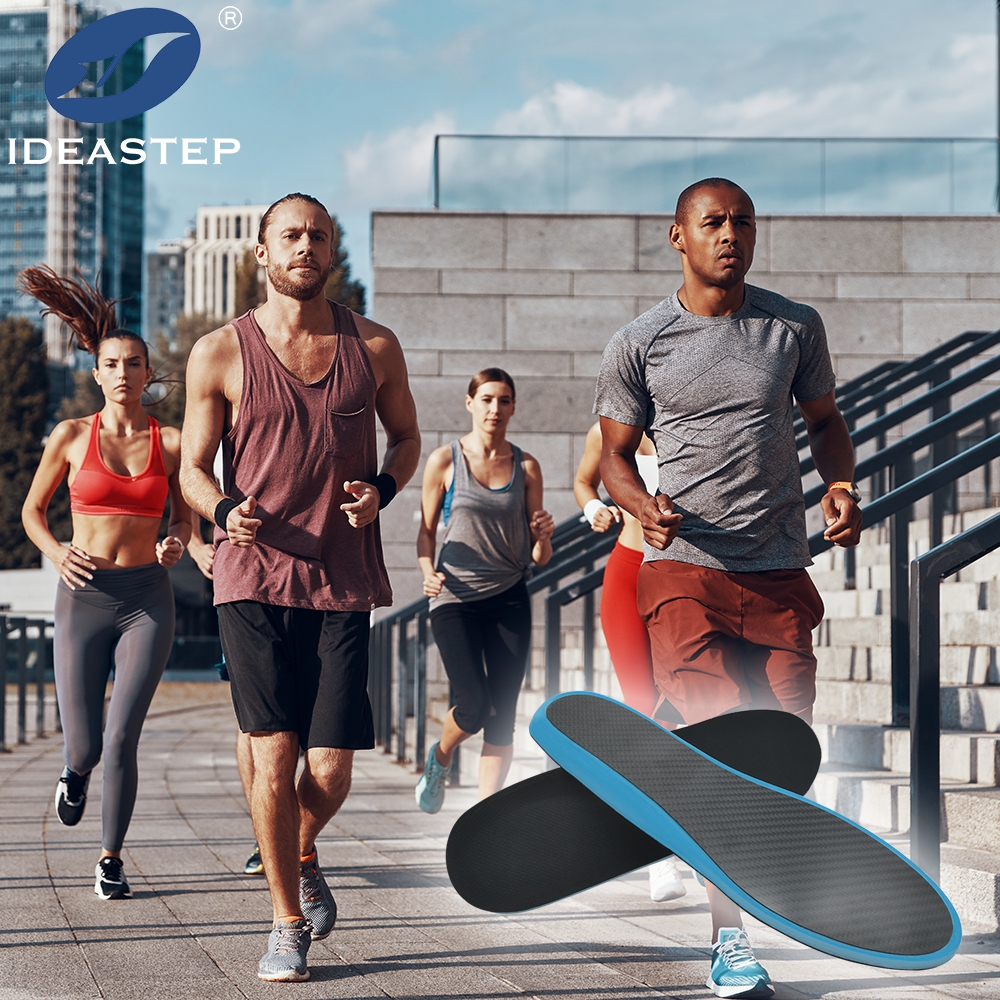
Why Specialized Running Insoles Reduce Shin Splint Issues
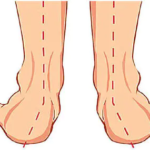
Most shin splint discomfort originates from poor foot biomechanics rather than simple leg fatigue. Excessive foot rolling, unstable heel positioning and concentrated forefoot impact create continuous tension on the shin muscles and tibia. Standard insoles lack structured support, allowing unstable gait patterns to worsen during running or high-intensity training.
Running insoles designed for shin splints fix these root causes. They stabilize neutral foot alignment, absorb excessive ground force and standardize each foot strike, effectively lowering repetitive lower leg strain and supporting faster recovery.
Core Features of High-Quality Running Insoles For Shin Splints
Qualified sports insoles for shin splint relief must include these key functional characteristics:
- Firm arch support Prevents overpronation and excessive foot flattening, reducing muscle tension along the tibia during movement.
- Deep heel cup stabilization Locks the heel in neutral position, minimizes irregular foot rolling and improves overall gait consistency.
- Graduated shock absorption Balances cushioning and rigidity to reduce running impact without sacrificing stability.
- Lightweight sport-grade material Maintains structural support without adding weight that affects running flexibility.
- Anti-slip construction Prevents insole shifting inside athletic shoes to sustain consistent correction throughout long training sessions.
Critical B2B Sourcing Standards for Bulk Orders
Sports orthotic insoles require stricter quality control than casual comfort inserts. B2B footwear partners should evaluate these core standards before bulk cooperation:
Balanced Material Hardness and Structural Stability
Effective shin splint insoles require moderate rigidity. Overly soft foam collapses under repeated impact and loses corrective function, while overly hard materials cause foot fatigue. Trusted suppliers use durable sport-grade EVA and composite foam to maintain stable support during long-term athletic use.
Consistent Biomechanical Design Across Batches
Arch height, heel depth and pressure zone layout must remain uniform in every production batch. Inconsistent molding creates unstable support effects, leading to inconsistent customer feedback and higher return rates. Reliable manufacturers adopt unified mold production and strict batch sampling inspections.
Breathable and Sweat-Resistant Surface
Running environments generate heavy foot sweat. Premium running insoles feature breathable top fabric and open-cell structures to reduce moisture buildup, prevent blisters and maintain stable grip during intense workouts.
Full Export Compliance Documentation
Qualified suppliers provide complete safety and environmental test reports that meet EU and North American market standards. Complete certification ensures smooth customs clearance and cross-border platform compliance.
Common B2B Sourcing Mistakes to Avoid
- Confusing comfort cushioning with corrective support: Soft foam insoles reduce mild fatigue but cannot fix gait instability that causes shin splints.
- Sourcing low-density unstable foam: Budget foam deforms quickly under running pressure and loses supporting performance.
- Ignoring batch consistency: Uneven arch and heel geometry create inconsistent end-user experiences.
- Overly thick insole design: Excessive thickness reduces shoe fitting space and affects running flexibility.
B2B Application Scenarios and Market Value
Running insoles for shin splints fit multiple high-value B2B business models:
- Sports footwear brands: Upgrade running shoe functionality with injury-prevention features to strengthen product competitiveness.
- Rehabilitation and sports clinics: Provide non-invasive supportive solutions for shin splint recovery and daily gait correction.
- Cross-border wholesalers and retailers: Target runners, gym enthusiasts and active users with problem-solving athletic insoles.
- Fitness institutions and sports teams: Support long-term training injury prevention and foot pressure relief.
OEM and ODM Customization Solutions
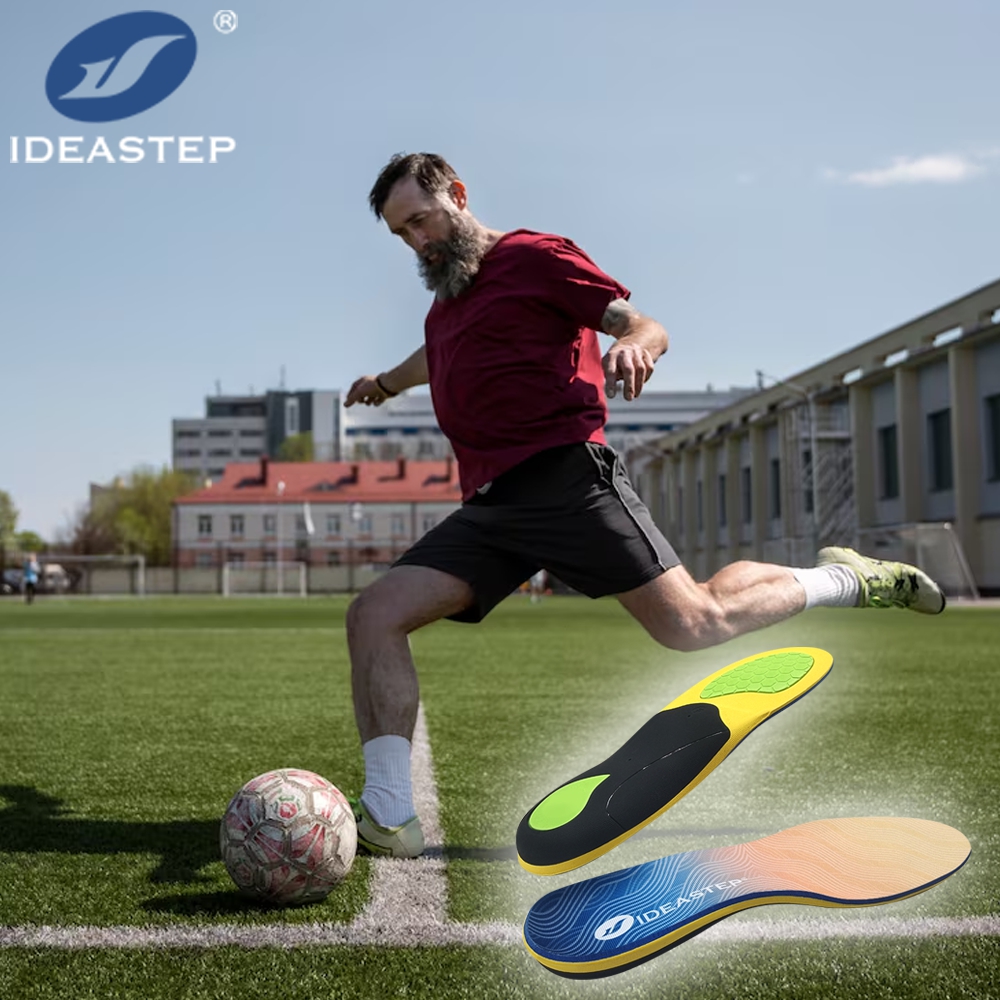
Professional manufacturers deliver flexible customization for global B2B partners:
- Custom hardness, thickness and support strength for different running intensities
- Brand logo printing, exclusive colors and personalized surface textures
- Functional upgrades including quick-dry fabric, antibacterial treatment and enhanced anti-slip bases
- Private labeling and custom retail packaging for branded product lines
FAQ
1. Can running insoles relieve and prevent shin splints?
Yes. Stabilized arch support and neutral heel alignment reduce repetitive tibia stress, effectively preventing and easing mild to moderate shin splint pain caused by faulty gait.
2. Are these insoles suitable for long-distance running?
Designed for athletic scenarios, these insoles balance stability and cushioning, ideal for long-distance running, daily training and regular fitness activities.
3. Can I get custom branded running insoles for my product line?
Full OEM and private-label customization is available to help B2B buyers build differentiated sports insole products.
4. Do you support sample orders and small-batch trials?
Sample verification and low-MOQ trial orders are available to help buyers confirm quality before large-scale bulk production.
Conclusion
Running insoles for shin splints are high-value sports accessories that address common athletic foot and gait issues. Their structured support, impact reduction and gait-stabilizing effects make them far more functional than standard comfort insoles. For footwear brands, clinics and wholesale partners, these insoles offer strong market differentiation and stable profit margins.
We provide standardized wholesale running insoles and tailored OEM solutions for global B2B clients. Contact our team to request product samples and a customized bulk quotation.
Related Reading:
Moisture-Wicking Sports Insoles for Running and Athletic Footwear
Improving Posture and Performance in Running Through 3D Printing Technology