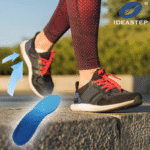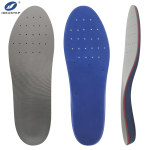
In EVA insole manufacturing, most products look similar at the beginning. They feel soft, lightweight, and comfortable in hand.
But in real use—especially under daily walking, long-hour standing, or industrial workloads—performance differences start to appear quickly.
EVA as a Material: Why It Became the Industry Standard
EVA is widely used in footwear because it is easy to process, lightweight, and provides immediate cushioning.
For basic footwear applications, it is usually enough. However, once the usage becomes repetitive and high-load, its limitations become obvious.
- Foam structure gradually compresses under pressure
- Rebound performance decreases over time
- Support structure becomes unstable
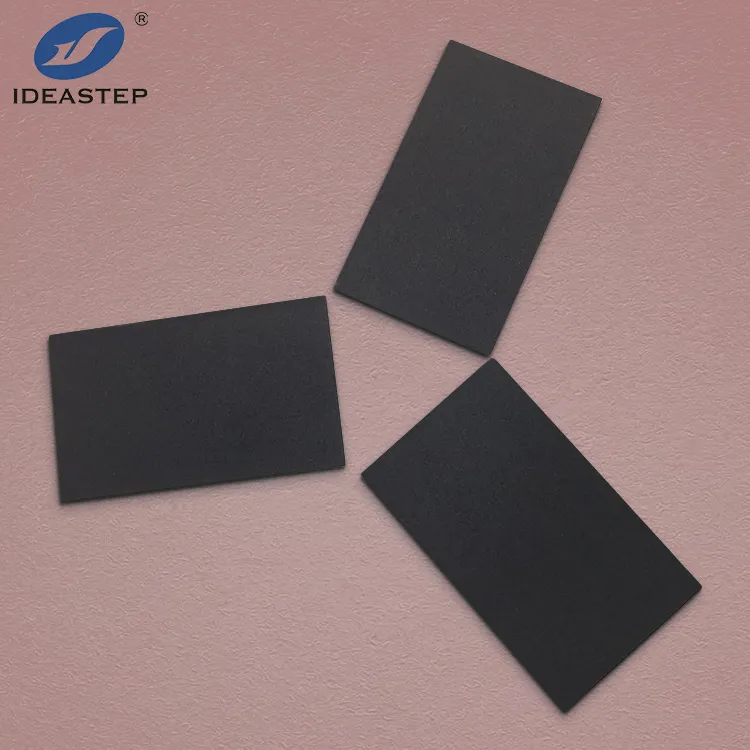
Where Standard EVA Starts to Fail in Real Applications
From production feedback and long-term wear testing, the most common issue is not comfort—it is structural fatigue.
After repeated compression cycles, EVA foam loses its ability to recover its original shape. Once that happens, the insole stops functioning as support and becomes only a thin cushioning layer.
What Differentiated EVA Actually Means in Manufacturing
Differentiated EVA is not a different material—it is a different way of engineering foam structure.
Instead of using uniform density, manufacturers adjust internal structure and layering to control how the material behaves under load.
- Different density zones for support and cushioning
- Improved rebound stability under repeated pressure
- Controlled deformation during long-term use
In practice, this means the insole does not just feel soft at the beginning—it stays stable after weeks or months of use.
Key Performance Factors That Actually Matter
In real manufacturing, EVA performance is not judged by softness. It is judged by how it behaves over time.
- How fast it loses rebound after compression cycles
- Whether arch support structure stays stable
- How pressure is distributed during long standing
- Whether deformation is reversible or permanent
Why Differentiated EVA Performs Better in Real Use
When EVA is engineered with structure in mind, it changes how impact is absorbed and released.
Instead of concentrating pressure in one zone, force is distributed across multiple layers, which reduces fatigue during long-hour use.
- More stable under repeated walking cycles
- Reduced pressure concentration on heel and forefoot
- Better comfort retention over time
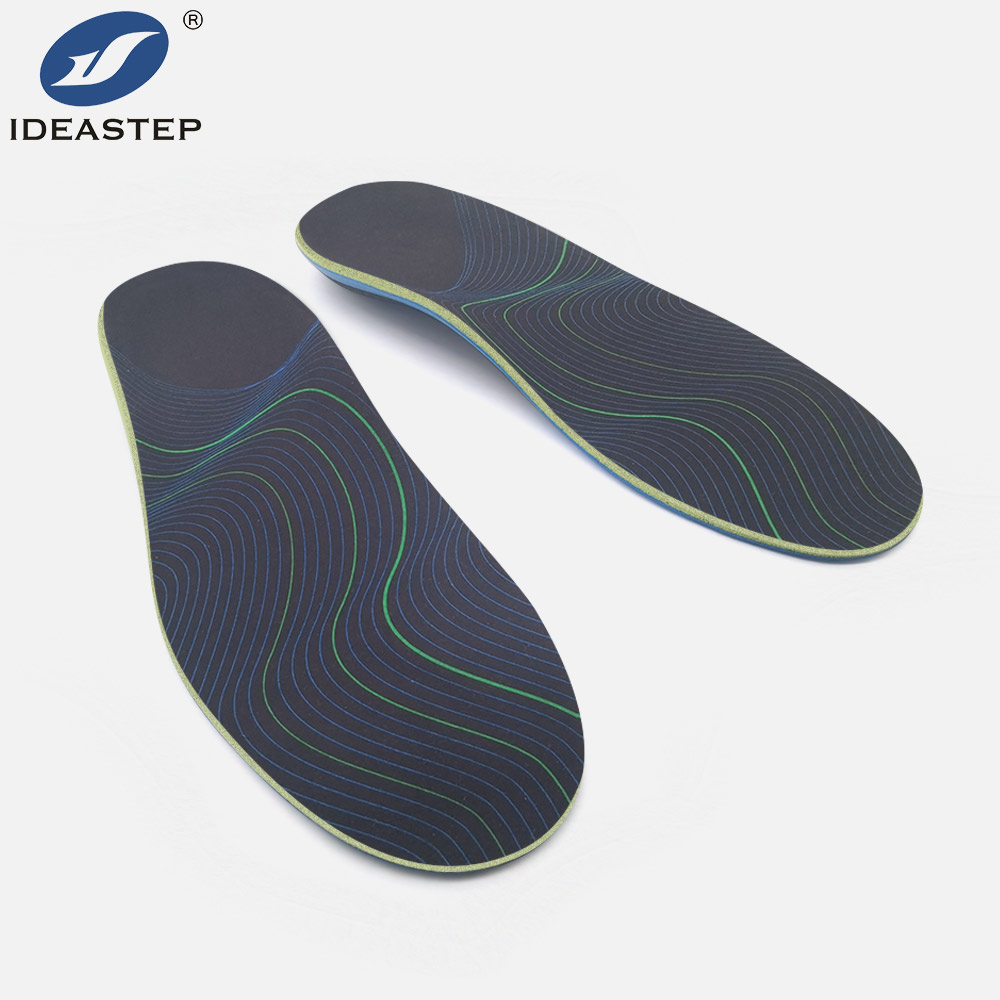
Where EVA Shock-Absorbing Insoles Are Used
- Work footwear for long-hour standing environments
- Sports shoes requiring impact absorption
- Orthopedic and support insole products
- OEM/ODM footwear development projects
What B2B Buyers Usually Overlook When Choosing EVA Suppliers
Most sourcing decisions focus on cost per sheet. In reality, the more important factor is consistency under production and use conditions.
- Batch-to-batch density stability
- Long-term compression behavior
- Structural repeatability in mass production
How Professional Buyers Validate EVA Materials
In most OEM projects, material selection does not happen on paper. It happens through testing.
Typical workflow includes sample testing under real load conditions before scaling into mass production.
- Prototype sampling
- Wear testing under real usage conditions
- Performance feedback loop before mass production
Conclusion: EVA Performance Is No Longer Just About Softness
The difference between standard EVA and differentiated EVA is not obvious at first glance.
It becomes clear only after repeated use—when structure stability starts to matter more than initial comfort.
Related product links: https://www.aideastep.com/product/anti-ammonia-a-eva-insole-insert-high-rebound-orthotic-foot-pressure-relief-material/.