Why Foot Health Matters
Your feet are probably the most overlooked part of your body, yet they bear the weight of your entire frame. They not only endure the impact of daily walking and running but also affect your knees, hips, and even your spine.
With so many insoles on the market—from cheap generic ones to pricey custom-made options—it’s hard to know which to choose. The truth is, custom-molded insoles are backed by science. They can properly distribute pressure across your feet, improve comfort, and support overall foot health. This article will explain why personalized insoles are more effective than standard ones.
1. Understanding Your Feet: A Quick Anatomy Guide
Foot Structure
The human foot consists of 26 bones, 33 joints, hundreds of ligaments, and more than 20 muscles. It supports your body weight while also absorbing impact and maintaining balance.
Arch Types
- High Arches: These feet have a pronounced curve and absorb less shock, making them more prone to fatigue.
- Normal Arches: Evenly distribute weight and are considered ideal.
- Flat Feet: Low or absent arches, which can lead to pain or joint issues over time.
How Gait Affects Health
The way you walk or run influences the pressure distribution on your feet. Improper gait can lead to chronic pain or injury.
Pro Tip: Knowing your arch type and gait is the first step to choosing the right insole.
2. The Science Behind Custom-Molded Insoles
Pressure Distribution and Support
Custom insoles are designed based on your foot shape and pressure points. They help spread your body weight more evenly, reducing localized stress and making walking or running more comfortable.
Material Science
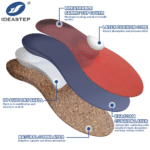
Materials matter: memory foam provides cushioning, high-resilience polymers offer support, and carbon fiber or rigid plastics reinforce key areas. The combination of materials determines comfort and corrective effectiveness.
Gait Correction
Custom insoles don’t just make your feet feel better—they can subtly adjust your foot posture, improve your gait, and reduce stress on your knees, hips, and lower back, helping prevent injury.
3. Benefits of Custom-Molded Insoles
Relieving Common Foot Problems
- Plantar fasciitis
- Pain caused by flat feet or high arches
- Discomfort from excessive arch pressure
Supporting Overall Joint Health
By correcting foot alignment, insoles reduce stress on the knees, hips, and spine, improving posture and reducing chronic pain.
Enhancing Athletic Performance
Custom insoles make everyday walking more comfortable and provide better support for running, hiking, or workouts, making movement more efficient and less tiring.
Tip: Wearing the right insole long-term benefits both your feet and your entire body.
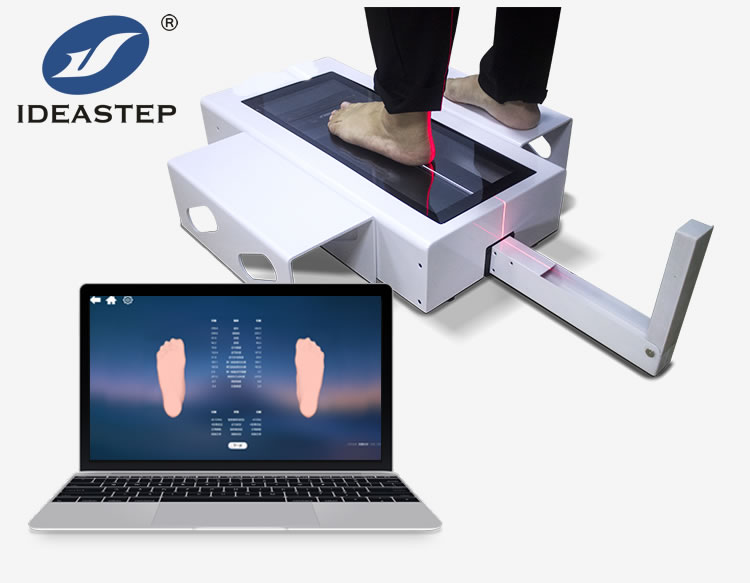
4. How Custom Insoles Are Made
Foot Scanning and Measurement
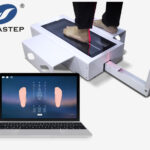
Advanced 3D scanning or pressure mapping technology captures precise foot data, including arch height, pressure points, and gait characteristics.
Model Design and Material Selection
Based on the data, a model is created and the optimal materials are chosen to ensure both comfort and support.
Shaping and Fitting
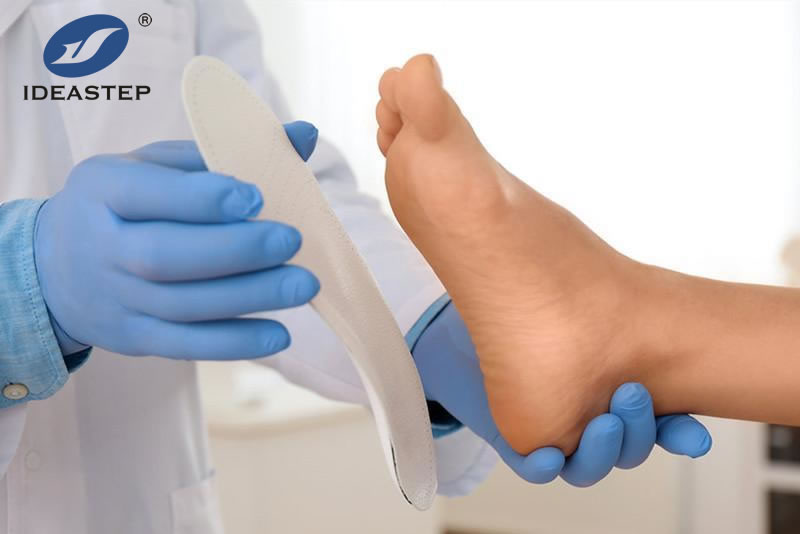
Once manufactured, the insole is tried on and adjusted as needed to perfectly match your foot.
5. Choosing the Right Custom Insole
- Seek Professional Guidance: Custom insoles should ideally be created under the supervision of a podiatrist or sports medicine professional for optimal results.
- Match Materials to Use: Everyday shoes, sports shoes, and work shoes have different insole requirements. Materials and thickness should be chosen accordingly.
- Regular Check-ups and Adjustments: Your body changes over time, so insoles should be checked and adjusted periodically to maintain peak effectiveness.
6. Conclusion: Investing in Every Step
Custom insoles are more than just a comfort accessory. They are scientifically designed to correct foot alignment, protect foot health, reduce stress on joints, and enhance performance. Investing in a proper custom insole is essentially investing in your health—making every step lighter, safer, and more comfortable.
References
- American Podiatric Medical Association
- Journal of Foot and Ankle Research
- Mayo Clinic Foot Health Guidelines
- Clinical studies and case analyses in sports medicine
Want to learn more about Orthotic Insoles? Check out our guide here.