
Viscoelastic foam footwear insoles have become a popular premium upgrade for shoe brands, distributors and foot‑care partners. Unlike standard EVA or sponge inserts, viscoelastic foam footwear insoles deliver adaptive cushioning and even pressure distribution, improving end‑user comfort across casual, work and everyday footwear.
Yet material quality varies widely across suppliers. Many B2B buyers encounter inconsistent softness, foam collapse, poor bonding and high complaint rates after placing large bulk orders. Price alone is a poor benchmark for judging real‑world performance.
This sourcing guide cuts through marketing claims. It covers material traits, critical performance benchmarks, common pitfalls and OEM options to help you select dependable viscoelastic foam footwear insole suppliers for wholesale and private‑label projects.
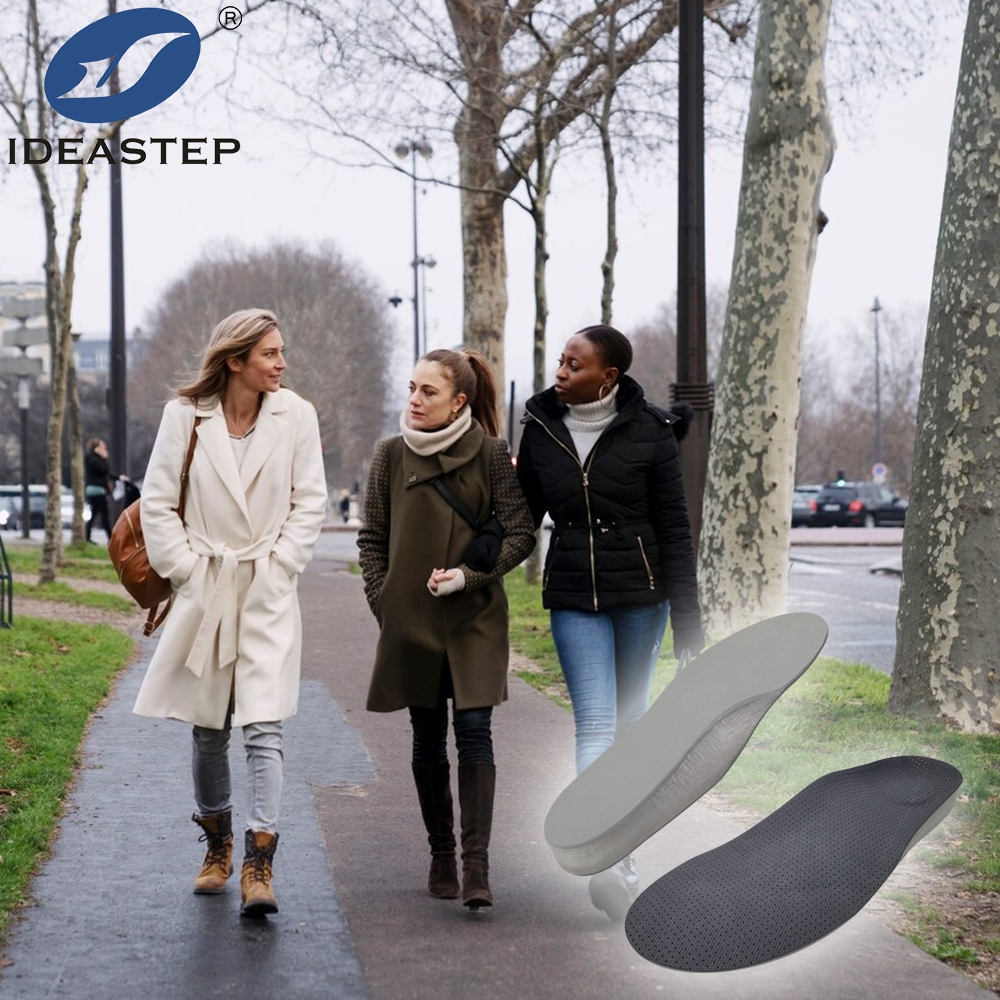
What Are Viscoelastic Foam Footwear Insoles
Viscoelastic foam, widely known as memory foam, is a pressure‑sensitive polymer foam. It yields under body weight to contour each user’s foot, then slowly rebounds once load is removed. This unique property distributes plantar pressure and eases fatigue from prolonged standing or walking.
Finished viscoelastic foam footwear insoles combine the foam core with top fabric and non‑slip base layers. Well‑built units balance cushioning, breathability and shape retention for mass‑market footwear and foot‑care retail.
Key Business Advantages For B2B Buyers
Adaptive Pressure Distribution
The foam conforms to individual foot shapes rather than offering fixed hardness. This reduces concentrated heel and forefoot pressure, a strong selling point for work‑wear, casual shoes and consumer retail lines.
Good Durability When Sourced Correctly
Genuine viscoelastic foam resists permanent compression over repeated use, extending product service life and lowering return rates for your brand.
Broad Market Compatibility
These insoles fit sneakers, casual footwear and work boots. They work for original shoe fitting, aftermarket retail and clinic‑level foot‑care product ranges, supporting multiple sales channels.
Strong Upsell Potential
Positioned as a premium accessory, viscoelastic foam footwear insoles help brands lift perceived product value and improve wholesale profit margins.
Critical Sourcing Standards For Bulk Orders
Evaluate these practical specifications before confirming large‑volume production:
- Foam purity and density: Low‑cost blends mix ordinary foam with limited viscoelastic material. Pure grade maintains consistent slow‑rebound behaviour without excessive hardening in cold conditions or softening in heat.
- Controlled rebound speed: Rebound should be moderate. Too fast and it loses memory‑foam characteristics; too slow creates a spongy, unstable walking feel.
- Lamination quality: Fabric‑to‑foam bonding must resist delamination, edge‑peeling and wrinkling through wear and cleaning cycles.
- Balanced breathability: Dense viscoelastic foam can trap heat. Look for open‑cell foam structures or breathable top fabrics to reduce sweat and odour complaints.
- Batch consistency: Mold‑based manufacturing plus random sampling ensures uniform thickness, texture and appearance order‑to‑order.
Common Sourcing Pitfalls To Avoid
Low‑grade blended foam
Many budget suppliers cut costs with mixed‑formula foam. These lose adaptive performance quickly, generate high end‑user feedback and harm your brand reputation.
Ignoring thermal behaviour
Poor‑formulated viscoelastic foam turns rigid in cold environments and overly soft in warm weather. Test samples across different temperature conditions for your target export markets.
Weak lamination and finishing
Uneven cutting and poor adhesion appear frequently with small‑batch manufacturers. Defective units drive after‑sales overhead for wholesalers and brands.
OEM And Customisation Capabilities
Reliable viscoelastic foam footwear insole manufacturers support flexible customisation for B2B partners:
- Custom thickness and sizing, tailored for sneakers, safety boots or retail replacement insoles
- Surface logo printing, exclusive colours and custom surface textures
- Functional upgrades: antibacterial top fabric, enhanced anti‑slip base, improved air permeability
- Neutral, branded or retail‑ready packaging for wholesale and direct‑to‑market lines
Typical B2B Use Cases
- Footwear factories: Premium factory‑fitted inserts for finished shoe collections
- Wholesalers and distributors: High‑turnover accessories for global stock‑and‑ship business
- Foot‑care clinics and retailers: Comfort‑focused insoles for users with prolonged standing fatigue
- Cross‑border merchants: Standardised, well‑performing insoles with manageable after‑sales risk
FAQ
Are viscoelastic foam footwear insoles suitable for all‑day wear
Yes. Quality variants contour the foot and spread plantar pressure effectively, making them well‑suited for daily commuting and long‑hour standing.
Will viscoelastic foam insoles permanently flatten over time
Genuine high‑density viscoelastic foam rebounds after compression. Permanent flattening generally indicates blended low‑grade material.
Can these insoles be washed
Properly laminated products support hand washing. They dry reasonably fast and resist delamination with basic care.
Do you accept sample requests and small trial runs
Sample testing and low‑volume trial orders are available, allowing B2B buyers to validate performance before committing to large‑scale production.
Conclusion
Viscoelastic foam footwear insoles represent a high‑value accessory for footwear brands and wholesale buyers. Real‑world performance depends far more on foam composition, lamination standards and batch control than on headline price.
We manufacture wholesale viscoelastic foam footwear insoles and deliver tailored OEM‑ODM solutions for international B2B clients. Reach out to our team for product samples and your custom bulk quotation.
Recommended Reading:
OEM EVA Foam Shoe Sole Supplier for Custom Footwear and Bulk Orders
Is Memory Foam Footwear Beneficial for Your Feet?