Best Insoles for Flat Feet Standing All Day: A Practical Expert Guide Based on Real Use Cases
Flat feet combined with long hours of standing is one of the most common issues seen in workplaces such as factories, hospitals, retail stores, and logistics centers. While many insoles claim to provide relief, not all of them actually perform well under real long-standing conditions.
From a biomechanical perspective, flat feet are not always painful in daily walking. The real problem usually shows up after hours of static standing—when pressure accumulates and the arch begins to collapse under continuous load.
This guide explains what actually works, what doesn’t, and how to choose the right insole for long-term standing comfort.
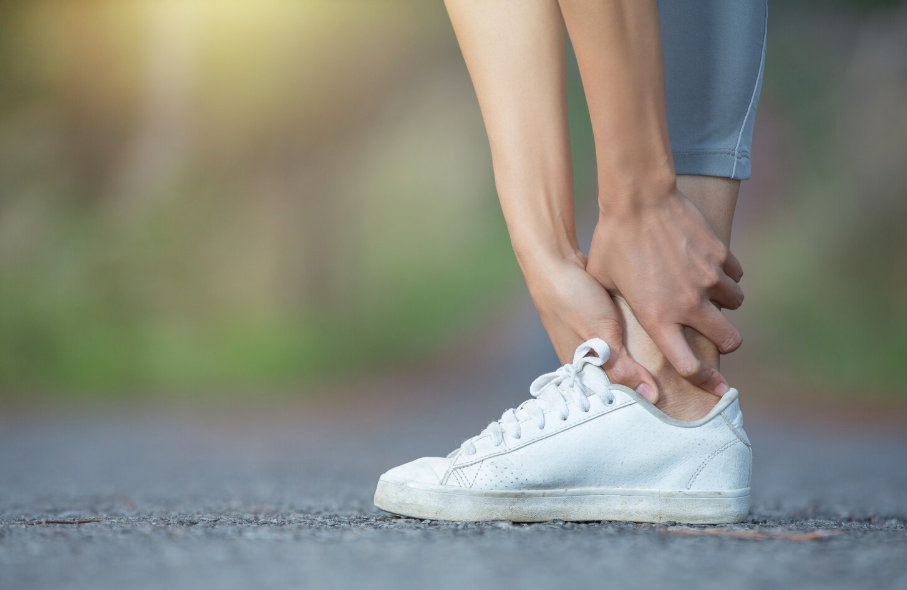
Flat Feet in Real Life: Why Standing Makes the Problem Worse
Flat feet (fallen arches) affect how the body distributes weight across the foot. In normal conditions, the arch helps absorb and redistribute pressure. When the arch collapses, that function is lost.
What typically happens during long standing
In real working environments, especially on hard surfaces like concrete floors, the foot is under constant load without relief.
- Midfoot gradually collapsing inward
- Heel taking excessive pressure
- Forefoot compensating for imbalance
- Muscles fatiguing faster than during walking
Most people don’t notice it immediately. The discomfort usually builds up slowly over the shift.
Why Flat Feet Suffer More During All-Day Standing Jobs
Standing is more demanding than walking in many cases because it is a static load condition. The pressure does not cycle—it stays constant.
Continuous plantar fascia strain
Without proper arch support, the plantar fascia stays stretched for long periods, which leads to soreness at the end of the day.
Alignment issues gradually increase fatigue
Flat feet often lead to overpronation, which affects the alignment of the ankle, knee, and even hip over time.
In practice, this is why many workers report:
- Knee discomfort after long shifts
- Lower back fatigue
- Uneven wear patterns on shoes
Why Soft Insoles Alone Are Not Enough for Flat Feet
A common misunderstanding is that softer insoles automatically mean better comfort. In reality, cushioning and structural support solve two different problems.
Soft gel insoles mainly absorb impact. However, during long standing, the main issue is not impact—it is structural collapse.
What actually works better in real use
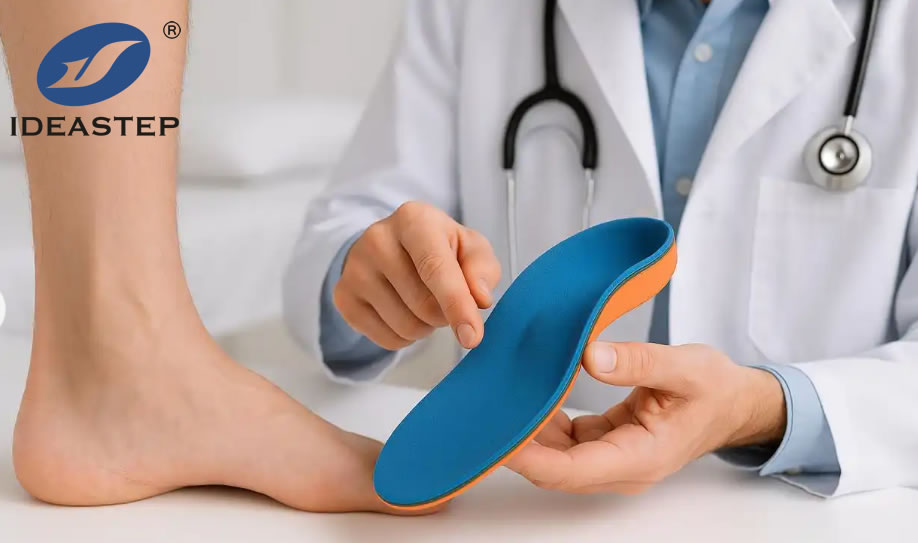
Orthotic insoles focus on:
- Supporting the medial arch
- Controlling inward foot collapse
- Redistributing pressure more evenly
From long-term industry observation, users who switch from soft cushioning to structured orthotic support often report improved endurance rather than immediate “pain removal.”
Key Features of the Best Insoles for Flat Feet Standing All Day
1. Functional arch support (not just height)
A proper arch support should guide the midfoot rather than simply “fill space.” If it is too soft, it collapses under body weight.
2. Stable shock-absorbing structure
Materials such as multi-density EVA are commonly used because they balance softness and structural resistance during long standing.
3. Pressure redistribution design
Typical improvements include:
- Reduced heel pressure
- More balanced midfoot loading
- Less forefoot fatigue
4. Heel stability control
A deep and stable heel cup helps reduce excessive inward rolling, which is especially important for flat feet users.
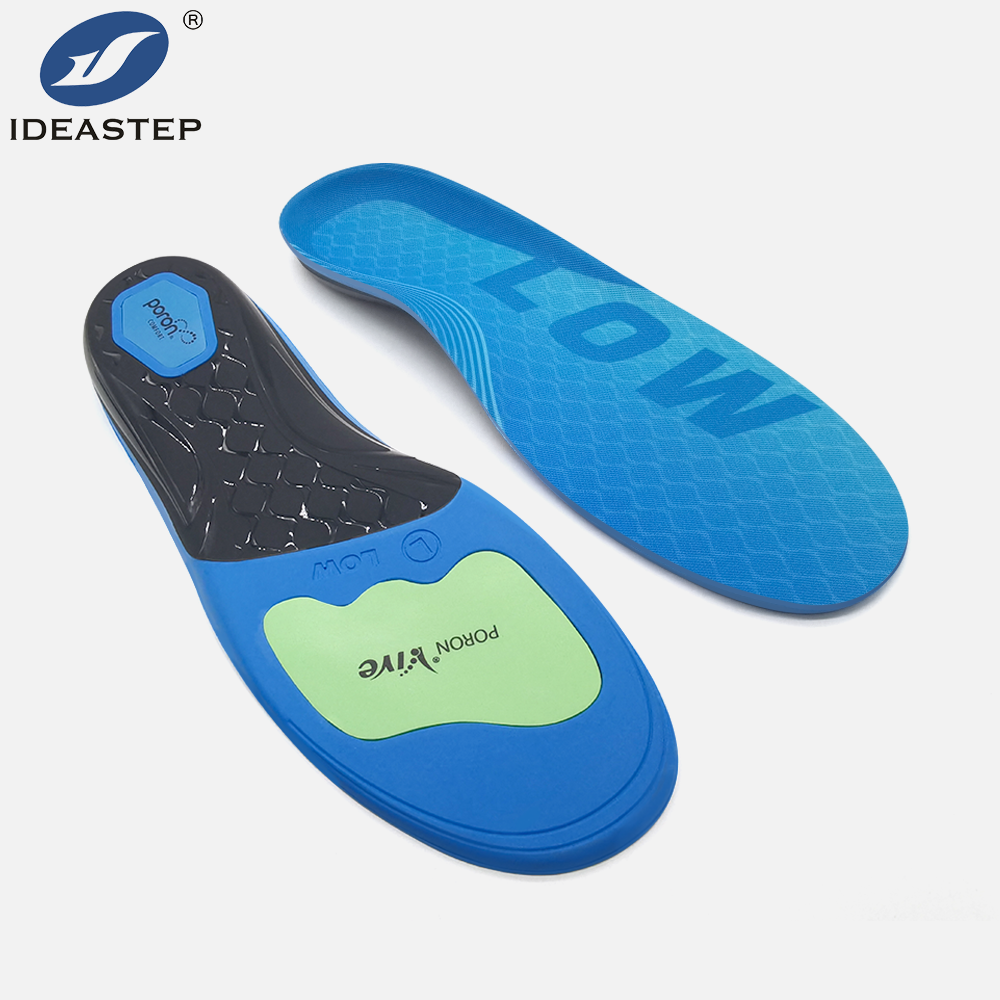
Types of Insoles for Flat Feet (What People Actually Choose Over Time)
Cushioning insoles (entry level)
- Soft and comfortable at first
- No real structural correction
- Often used for short-term relief
Semi-orthotic insoles (transition stage)
- Moderate arch support
- Suitable for mild flat feet
- Common in retail or light standing jobs
Full orthotic insoles (long-hour standing use)
- Strong structural support
- Designed for daily work environments
- Better for industrial or medical staff
Custom orthotic insoles (advanced solution)
- Designed based on foot shape
- More precise pressure control
- Often used in clinical or professional settings
Who Really Needs Flat Feet Insoles for Standing All Day?
High-risk users (industrial & manufacturing workers)
Long hours on hard floors create continuous loading without rest.
Healthcare professionals
Extended shifts with minimal sitting time increase fatigue accumulation.
Retail and service workers
Constant standing and walking transitions lead to uneven pressure cycles.
Logistics and warehouse staff
Combination of standing, lifting, and walking increases biomechanical stress.
How to Know If Your Insoles Are Actually Working
- You can stand longer before fatigue starts
- Pressure buildup at the arch is reduced
- Post-shift soreness decreases gradually
- Knee and lower back tension feels lighter over time
If none of these changes occur, the insole is likely only providing cushioning, not real support.
What Orthotic Insoles Actually Do Biomechanically
The goal of orthotic insoles is not to “correct flat feet permanently,” but to improve how the foot behaves under load.
- Reduce excessive inward collapse during standing
- Distribute body weight more evenly across the foot
- Improve overall standing stability
This is why they are widely used in occupational footwear systems, not just medical applications.
B2B Perspective: Orthotic Insoles for Workwear and Healthcare Markets
For brands, distributors, and OEM buyers, insoles are not just comfort products—they are functional components of footwear systems.
In real manufacturing applications, key considerations include:
- Material durability under daily industrial use
- Consistency in arch support performance
- Compatibility with safety shoes and work boots
- Customization for different foot profiles and markets
Multi-density EVA structures and customized arch designs are commonly used in B2B supply chains for workwear, medical, and sports footwear industries.
Final Takeaway
The best insoles for flat feet standing all day are not simply soft or cushioned—they are structurally engineered to support the arch, stabilize the heel, and reduce long-term pressure accumulation.
In real working environments, especially where standing is unavoidable, properly designed orthotic insoles consistently outperform basic cushioning products in both comfort and endurance.
Related product links: https://www.aideastep.com/product-tag/flat-feet-support/.