Introduction
EVA soles are one of the most widely used material systems in modern footwear manufacturing. From running shoes to orthopedic insoles, Ethylene Vinyl Acetate (EVA) plays a critical role in delivering lightweight cushioning and impact absorption.
However, in footwear engineering, EVA is not just a “soft foam material.” Its performance depends heavily on density control, foaming structure, and how it is integrated into midsole or orthotic systems.
This article explains EVA sole material from a technical footwear manufacturing perspective, including its structure, mechanical behavior, limitations, and applications in orthotic insole systems.
What Is an EVA Sole?
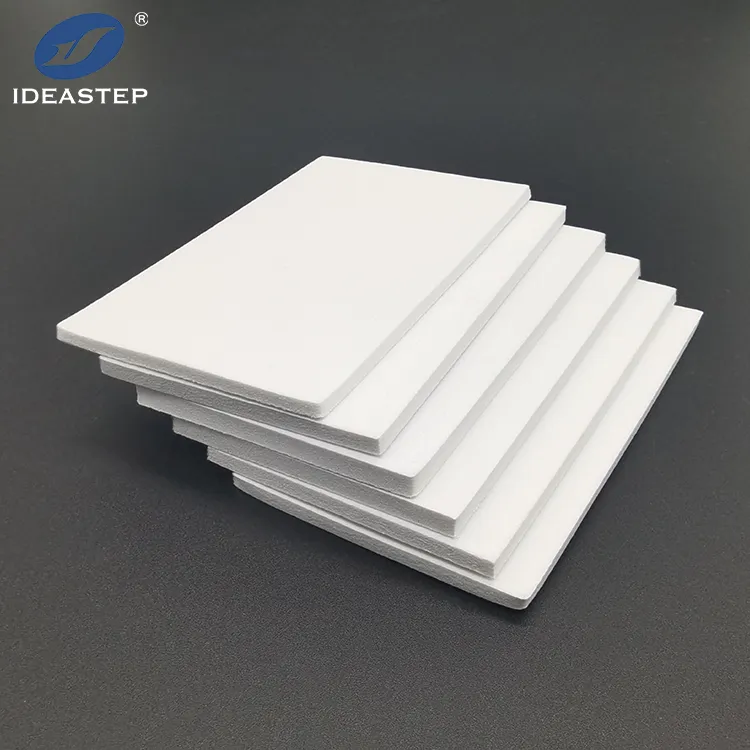
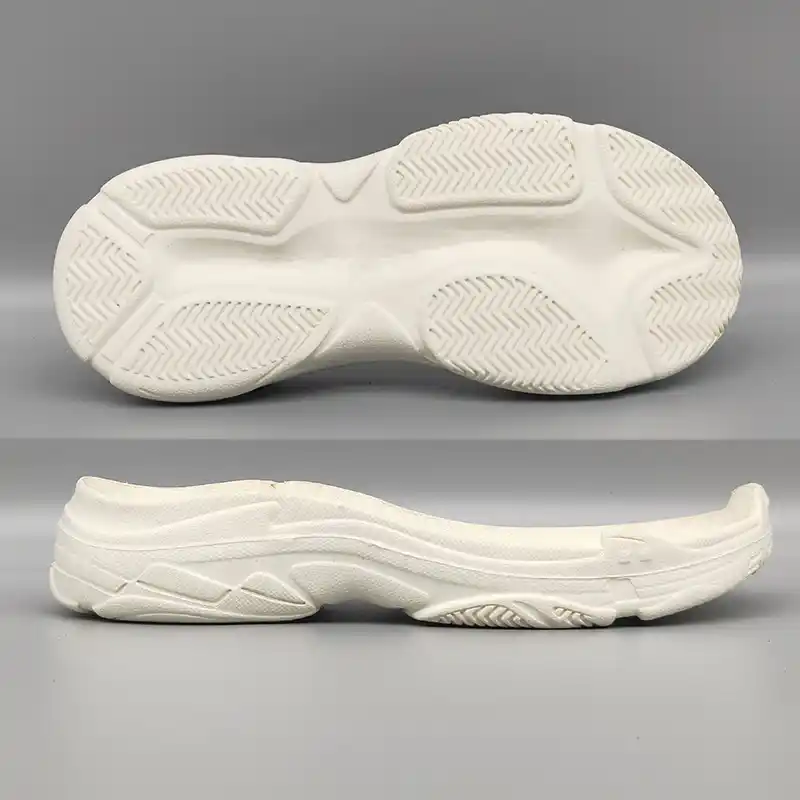
EVA (Ethylene Vinyl Acetate) is a thermoplastic polymer that can be expanded into foam through a high-temperature foaming and compression molding process. In footwear, an EVA sole typically refers to a foamed midsole or outsole component designed for cushioning and energy absorption.
In most shoe constructions, EVA is used as:
- Midsole cushioning layer (primary application)
- Lightweight outsole (low-abrasion footwear)
- Structural foam base for orthotic insoles
- Shock absorption layer in multi-material systems
From a manufacturing standpoint, EVA is valued because its properties can be precisely controlled through density, expansion ratio, and molding temperature.
Material Structure of EVA Foam
EVA foam is typically a closed-cell structure, meaning internal air pockets are sealed within the polymer matrix. This structure directly affects its mechanical behavior.
- Foaming ratio: determines weight and softness
- Cell size distribution: affects rebound and stability
- Cross-linked polymer network: improves elasticity and durability
In footwear production, EVA density usually ranges from 0.11 g/cm³ to 0.35 g/cm³, depending on the intended application.
Lower density EVA provides higher cushioning, while higher density EVA increases stability and structural support.
Performance Characteristics of EVA Soles
1. Lightweight Cushioning System
EVA is significantly lighter than rubber or PU-based materials. This makes it ideal for footwear designed to reduce fatigue during prolonged walking or running.
Reducing midsole weight directly improves energy efficiency and user comfort in performance footwear.
2. Impact Absorption Behavior
EVA foam absorbs impact through controlled compression of its closed-cell structure. During foot strike, vertical forces are distributed across the foam matrix, reducing peak pressure on the heel and forefoot.
This makes EVA particularly suitable for:
- Running shoes
- Walking footwear
- Orthotic cushioning systems
3. Flexibility and Deformation Response
EVA provides multi-directional flexibility, allowing the sole to follow natural foot movement. Flexibility depends strongly on density:
- Low-density EVA → high flexibility, soft feel
- High-density EVA → controlled stiffness, better support
4. Compression Set Performance (Key Engineering Factor)
One important technical limitation of EVA is compression set—the permanent deformation after repeated loading.
In long-term use, low-density EVA tends to lose rebound faster, while high-density EVA maintains structure longer but sacrifices softness.
This is why EVA is often combined with TPU or rubber layers in high-performance footwear systems.
Advantages of EVA Sole Material
- Excellent weight-to-performance ratio: high cushioning at very low weight
- Flexible manufacturing control: adjustable density, hardness, expansion ratio
- Strong compatibility: works well with TPU, PU, and textile systems
- Cost-efficient production: suitable for OEM/ODM mass manufacturing
Limitations of EVA in Footwear Applications
- Limited abrasion resistance: not ideal for high-wear outsole use
- Compression fatigue: loss of rebound over time, especially low-density EVA
- Heat sensitivity: dimensional instability under high temperatures
Because of these factors, EVA is rarely used alone in premium or heavy-duty footwear systems.
EVA Sole Applications in Footwear Manufacturing
1. Athletic and Running Footwear
EVA remains a core midsole material in running shoes due to its lightweight cushioning and shock absorption properties. Modern designs often use dual-density EVA midsoles to balance softness and stability.
2. Casual and Lifestyle Shoes
In everyday footwear, EVA provides a balance between comfort and flexibility, making it ideal for long-duration walking environments.
3. Orthopedic Insoles and Medical Footwear
In orthotic systems, EVA plays a structural role rather than just cushioning.
Why EVA is used in orthotic insoles:
- Enables pressure redistribution across plantar zones
- Supports arch stabilization through density control
- Improves gait alignment when combined with support structures
Multi-density orthotic design:
- Soft EVA → pressure relief zones
- Medium EVA → cushioning balance
- Firm EVA → structural arch support
Hybrid systems often combine EVA with TPU arch plates and PU heel structures for biomechanical correction.
4. Work and Safety Footwear
EVA is commonly used as an internal cushioning layer in safety shoes to reduce fatigue during long working hours.
EVA vs Other Footwear Materials
- EVA vs Rubber: EVA is lighter and softer, rubber is more durable and abrasion-resistant
- EVA vs PU: EVA offers better comfort, PU provides better long-term structural stability
- EVA vs TPU: EVA focuses on cushioning, TPU focuses on support and durability
These materials are often used together rather than in competition.
Engineering Trends in EVA Foam Materials
- Recycled EVA (rEVA) materials for sustainability
- High-resilience EVA formulations for sports performance
- Multi-density compression-molded EVA systems
- Hybrid EVA + TPU biomechanical structures
- Medical-grade EVA for orthotic applications
Conclusion
EVA soles are a fundamental material in modern footwear engineering due to their lightweight structure, cushioning capability, and manufacturing flexibility.
Their true value lies not in softness alone, but in how density, structure, and hybrid material systems are engineered to achieve specific performance outcomes.
In both footwear and orthotic insole manufacturing, EVA remains one of the most adaptable and cost-efficient materials for comfort-driven and biomechanically functional product design.

B2B Application Insight
For footwear brands, orthopedic laboratories, and insole manufacturers, EVA material selection directly affects product comfort, stability, and end-user performance.
We provide customized EVA foam solutions including multi-density formulations, compression-molded systems, orthotic EVA base materials, and OEM/ODM cushioning components for global footwear markets.
Related product links: https://www.aideastep.com/product/ideastep-a-premium-custom-eva-foam-sheet-for-soles-high-rebound-lightweight-industrial-grade/.