When developing a running shoe, the insole is often one of the components that directly affects how the product feels during use. While the outsole and midsole determine the overall structure of the shoe, the insole plays an important role in comfort, support, and long-term wearing experience.
For brands entering the running footwear market, choosing or developing the right insole is not simply about finding the softest foam or adding more support. The final design needs to match the shoe construction, target users, and expected performance.
In practical product development, there is rarely one insole design that works for every running application. A lightweight racing shoe, a daily training shoe, and a long-distance running shoe all require different solutions.
The best running insoles are usually the ones that achieve the right balance between comfort, stability, durability, and compatibility with the footwear.
Understanding the Requirements Behind Running Insole Development
Before developing a running insole, brands usually need to define what the product is expected to achieve.
Different markets may focus on different priorities:
- A performance running shoe may require a lightweight and responsive insole
- A daily trainer may focus more on comfort and durability
- A stability running shoe may need stronger support and better foot control
These requirements directly influence the insole structure, material selection, and manufacturing process.
A common mistake is designing the insole separately from the shoe. In reality, the insole works together with the midsole, upper, and internal shoe space. A construction that performs well in one shoe may not fit another model.
Cushioning Design: Comfort Without Losing Support
Cushioning is usually one of the first things users notice when they try a running insole.
However, insole development is not about making the product as soft as possible.
A very soft structure may feel comfortable at first but may lose support after repeated compression. On the other hand, an overly firm structure may provide stability but reduce wearing comfort.
During development, manufacturers usually adjust:
- Foam density
- Material hardness
- Layer thickness
- Cushioning zones
The purpose is to create a balanced feel that can maintain comfort during continuous use.
For example, a long-distance running insole may require better cushioning durability, while a lightweight performance model may focus more on weight reduction and responsiveness.
Arch Support Design Requires Accuracy, Not Simply More Support
Arch support is one of the most discussed features in running insoles, but higher support does not always mean better performance.
The position, shape, and transition of the support area are often more important than the height itself.
During product development, manufacturers consider factors such as:
- Target foot characteristics
- Shoe volume
- Support requirements
- Expected wearing conditions
A properly designed arch structure should provide guidance and stability while maintaining natural foot movement.
For different product ranges, the support level can be adjusted through material hardness, support geometry, and reinforcement design.
Material Selection Based on Product Goals
In commercial running insole production, materials are not selected individually. They are usually combined according to the final product requirements.
EVA Foam
EVA remains one of the most widely used materials in running insole manufacturing because its properties can be adjusted according to different applications.
By changing density, hardness, and formulation, EVA can be developed for:
- Lightweight cushioning
- Shock absorption
- Flexible structures
- Firm support
This flexibility makes EVA suitable for different running insole categories.
PU Foam
PU foam is often selected for products where a softer cushioning experience and long-term comfort are required.
Compared with some foam materials, PU can provide a different underfoot feel and may be suitable for comfort-focused running products.
TPU Reinforcement
TPU components are commonly used when additional structural support is needed.
Instead of replacing foam materials completely, TPU is often added in specific areas to improve:
- Shape retention
- Stability
- Structural reinforcement
In many commercial running insoles, the final performance comes from the combination of different materials rather than one single component.
Why Multi-Layer Construction Is Common in Running Insoles
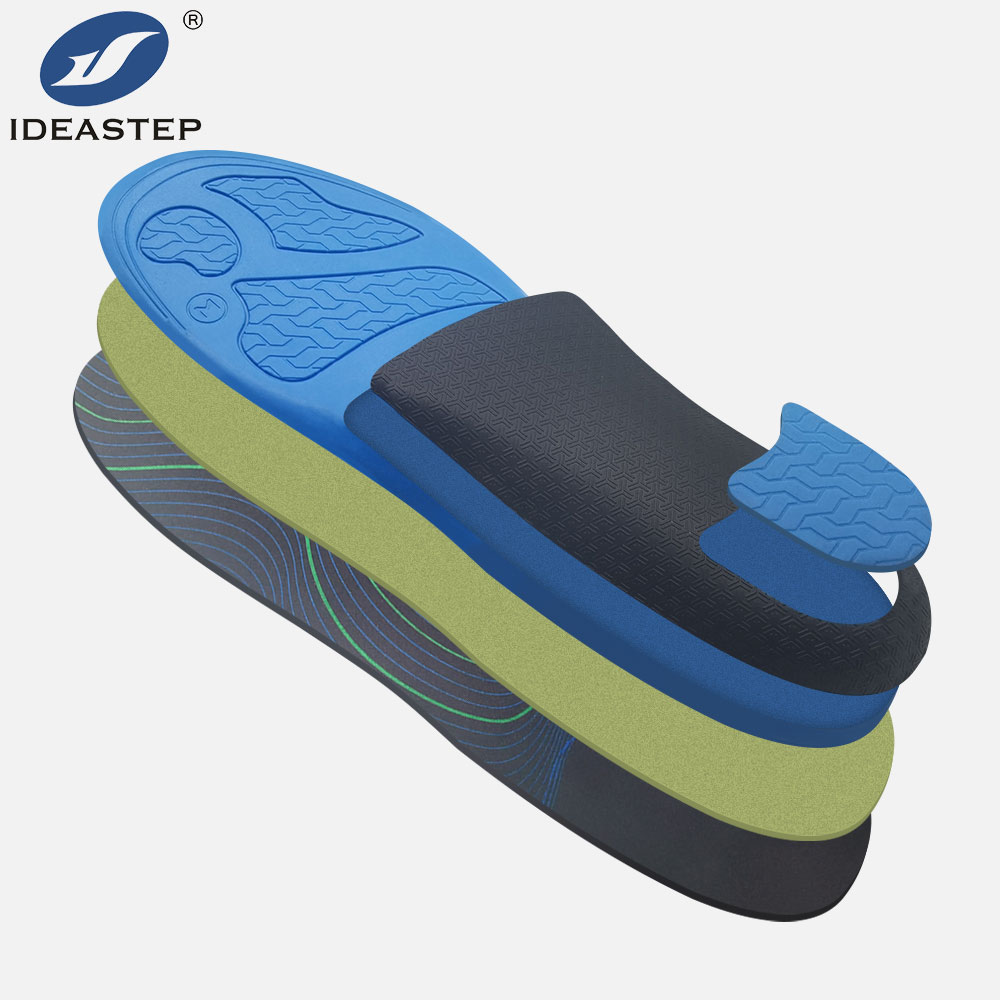
Most performance-oriented running insoles use multiple layers because each layer can handle a different function.
A typical construction may include:
Top Cover Layer
The layer directly contacting the foot.
Common requirements include:
- Comfortable surface feel
- Breathability
- Moisture management
- Wear resistance
Cushioning Layer
Responsible for impact absorption and underfoot comfort.
Materials may include EVA, PU, or other cushioning foams.
Support Layer
Provides structural control and helps maintain the intended shape.
Depending on the product requirements, this layer may use firmer foam or reinforcement components.
Bottom Layer
Helps improve stability inside the shoe and supports long-term durability.
For OEM projects, the combination of these layers can be adjusted according to the shoe type, target users, and price requirements.
Running Insoles Need to Match the Shoe Construction
One of the most important lessons in running insole development is that the insole should be designed together with the footwear.
A running shoe has limited internal space. Changes in insole thickness, arch profile, or heel structure can affect the overall fit.
During development, manufacturers usually evaluate:
- Available shoe space
- Original footbed thickness
- Heel shape
- Shoe flexibility
- Intended running environment
For example, a thick cushioning insole may work well in a daily training shoe but create fitting issues in a lightweight racing shoe.
This is why testing samples inside the actual target footwear is an important step before mass production.
Custom Running Insoles for Brand Development
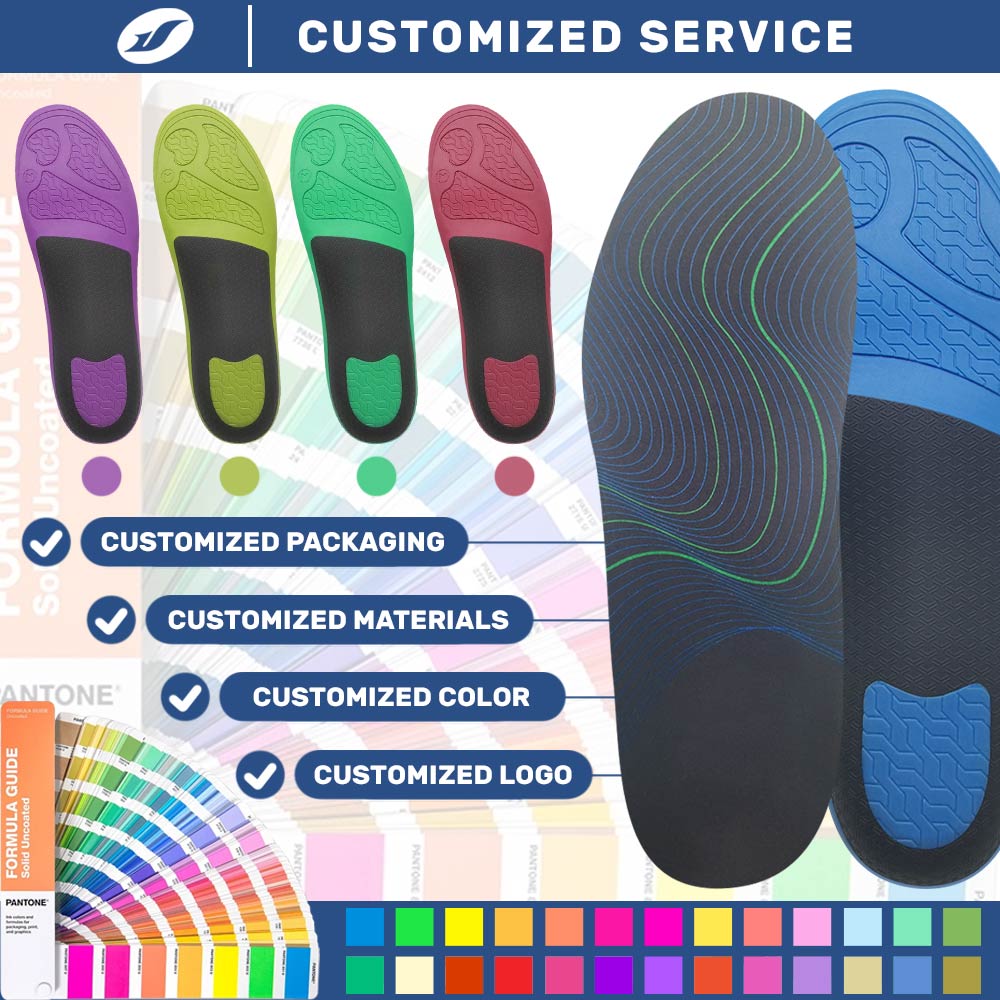
For companies developing their own running insole products, customization is often about more than changing colors or adding a logo.
A successful custom project usually starts from the product requirements.
Before production, brands may define:
- Target user group
- Running shoe category
- Support level
- Cushioning preference
- Target price range
Based on these requirements, manufacturers can adjust:
Structure
- Arch support profile
- Heel cup design
- Cushioning areas
- Reinforcement positions
Materials
- EVA density
- Foam hardness
- TPU components
- Top cover materials
Product Details
- Size range
- Thickness
- Color
- Packaging
- Private label options
The purpose of customization is to create a product that fits a specific market instead of offering a generic running insole.
From Concept to Mass Production: How Running Insoles Are Developed
Most running insole projects require several rounds of communication and adjustment before reaching production.
Requirement Discussion
The manufacturer needs to understand:
- Product application
- Shoe type
- Performance expectations
- Cost requirements
Structure and Material Development
Based on the requirements, the manufacturer evaluates suitable materials and develops the initial construction.
Sample Testing and Adjustment
The first sample is usually not the final version.
During testing, adjustments may be required for:
- Thickness
- Support position
- Foam hardness
- Shoe fitting
- Overall comfort
Production Preparation
After approval, production focuses on maintaining consistency in:
- Material properties
- Dimensions
- Bonding quality
- Manufacturing standards
Stable production is especially important for brands requiring repeat orders.
Choosing a Running Insole Manufacturing Partner
For brands and footwear companies, manufacturing capability is only one part of supplier evaluation.
A suitable manufacturer should also understand product development.
Useful capabilities include:
- Experience with EVA and foam materials
- Custom structure development
- Sample adjustment
- Shoe compatibility evaluation
- OEM and ODM production
- Quality control management
During the early development stage, a manufacturer who can provide suggestions on materials and structure can help avoid unnecessary adjustments later.
For brands launching new running products, this development experience can be just as important as production capacity.
Conclusion
The best running insoles are not defined by one specific material or one fixed structure.
Their performance depends on how well the design matches the running shoe, target users, and intended application.
From material selection and structural design to sample testing and production preparation, every step influences the final product quality.
At Ideastep, we work with brands and footwear companies on custom running insole development, supporting projects from initial concept discussion to finished production. Whether you need a new insole structure, material recommendations, or OEM/ODM manufacturing support, our team can help develop a solution based on your product requirements.
Related Reading: Performance Running Insoles for Sports Footwear Brands.