Foam materials are essential to orthotic insole manufacturing. Density, hardness, resilience, and compression behavior affect product structure, cushioning, durability, and processing efficiency. For manufacturers and distributors, selecting the right material requires more than comparing prices or material names. Consistent specifications and reliable supply are equally important.
Common materials include EVA, PU, PE, PORON, and memory foam. Each has different properties, processing requirements, and applications. This guide examines their characteristics and the key factors to consider when sourcing orthotic foam materials in bulk.
1. Common Foam Materials for Orthotic Insole Manufacturing
Different foam materials serve different functions in orthotic constructions. Selection should reflect the required mechanical properties, product design, and manufacturing process.
EVA Foam
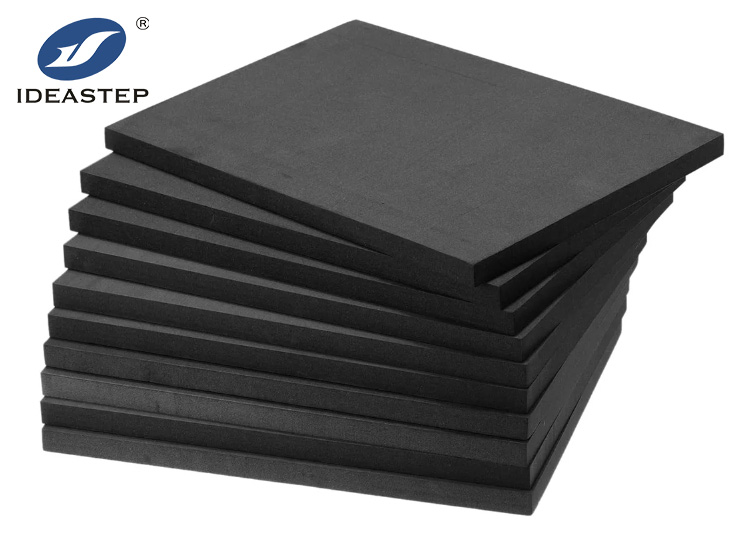
Ethylene-vinyl acetate (EVA) is widely used in orthotic insole production because of its low weight, flexibility, and range of available densities and hardness levels.
Typical applications include:
- Full-length insole base layers
- Arch support components
- Multi-density constructions
- Cushioning layers
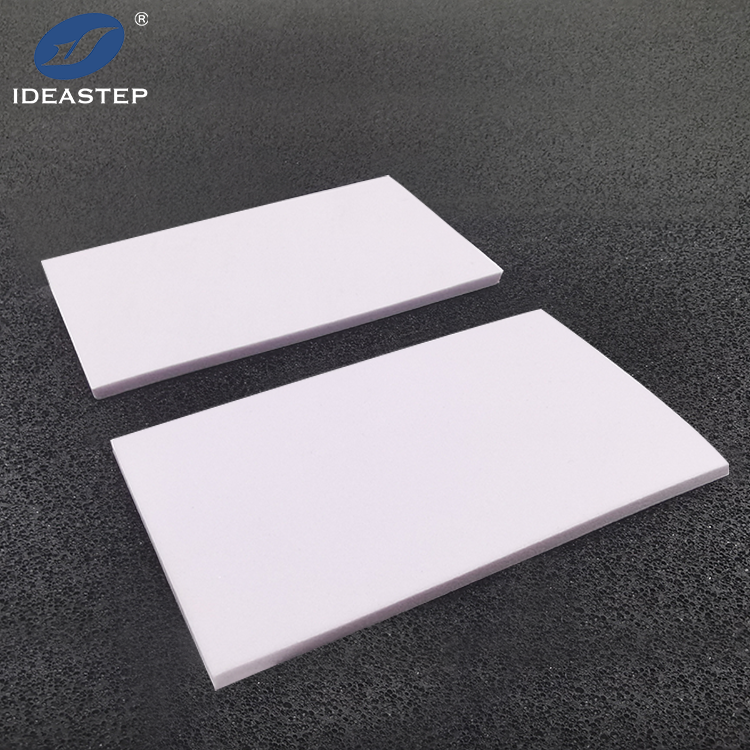
EVA is available in sheets, blocks, and preformed components. Depending on its formulation and specifications, it can be processed through compression molding, CNC milling, and die cutting.
For bulk purchasing, confirm density, hardness, thickness tolerance, compression recovery, and color consistency.
Polyurethane (PU) Foam
PU foam offers varied cushioning and resilience properties depending on its formulation and cell structure. It is used in full-length cushioning layers, heel inserts, and forefoot components.
When sourcing PU foam, check density, hardness, compression behavior, recovery, and dimensional stability. Specify the required foam type clearly, as different PU formulations are not interchangeable.
PORON and Specialty Cushioning Foam
PORON is a brand of microcellular polyurethane material available in different grades and thicknesses. It is commonly incorporated into heel and forefoot cushioning zones or combined with EVA base layers.
Buyers should confirm the exact grade, thickness, product authenticity, and relevant supplier documentation. Generic PU foam should not be treated as equivalent to a specified PORON grade.
PE Foam
Polyethylene (PE) foam is a lightweight material available in different densities and firmness levels. It can be used in selected insole components, spacers, and structural applications.
Important purchasing specifications include density, hardness, cell structure, thickness, and cutting performance.
Memory Foam
Memory foam is generally a viscoelastic polyurethane foam with distinct compression and recovery characteristics. It is used in selected cushioning layers and surface components.
Formulation, density, thickness, and temperature sensitivity influence its performance. Manufacturers should evaluate recovery behavior and dimensional stability under the intended operating conditions.
2. Key Specifications for Bulk Foam Purchasing
Material names alone are insufficient for wholesale purchasing. A reliable specification should define measurable properties and acceptable tolerances.
Density and Hardness
Density refers to mass per unit volume, while hardness measures resistance to indentation or compression under a specified test method. These properties are related but not interchangeable.
Two foam materials with similar density may have different hardness and compression behavior. Buyers should request separate specifications and confirm the applicable test methods.
Thickness and Dimensional Tolerance
Thickness affects the finished insole profile, cushioning depth, and compatibility with other components.
Check the following before ordering:
- Nominal thickness and allowable variation
- Sheet or block dimensions
- Surface flatness
- Edge condition
- Consistency between production batches
Clear tolerances help reduce material waste and processing adjustments.
Compression Recovery and Compression Set
Compression recovery describes a material’s ability to return toward its original dimensions after loading. Compression set measures the permanent deformation remaining after compression under defined conditions.
Both properties are relevant to foam used in high-load areas or repeated-use products. Request test data when these characteristics are critical to the application, and use consistent methods when comparing suppliers.
Cell Structure and Surface Quality
Foam cell structure affects mechanical properties and processing performance. Depending on the material, inspection should cover cell uniformity, internal voids, surface defects, and edge quality.
These factors can influence CNC milling, die cutting, lamination, and finished product consistency.
3. Selecting the Right Foam Format
Orthotic foam materials are commonly supplied in sheets, blocks, rolls, and pre-cut components. The appropriate format depends on production equipment, processing methods, and order volume.
Foam Sheets
Sheets are suitable for die cutting, lamination, and layered insole production. They are available in different thicknesses, colors, densities, and hardness levels.
Foam Blocks
Blocks are commonly used for CNC milling and other shaping processes. Buyers should confirm dimensions, internal consistency, and machining suitability before placing bulk orders.
Foam Rolls
Roll materials support continuous processing and applications requiring thinner foam layers. Thickness consistency, roll width, winding quality, and surface condition are key inspection points.
Pre-Cut Foam Components
Pre-cut components reduce in-house processing steps and can improve material utilization. Accurate drawings, dimensions, tolerances, and material specifications are necessary before production.
4. How to Evaluate a Wholesale Foam Supplier
Price should not be the only factor in supplier selection. Material consistency, technical documentation, production capacity, and customization capabilities all affect long-term sourcing.
Material Consistency
Suppliers should maintain agreed specifications across repeat orders. Compare bulk materials with approved samples and check density, hardness, thickness, and appearance.
Technical Documentation
Depending on the material and market requirements, relevant documents may include:
- Technical Data Sheets (TDS)
- Safety Data Sheets (SDS)
- Material test reports
- Applicable compliance certificates
- Batch identification and traceability records
Documents should correspond to the actual material supplied. Buyers should verify certification scope and validity rather than relying on general claims.
Production Capacity and Lead Time
Before confirming an order, clarify production capacity, MOQ, sample lead time, mass production lead time, and repeat-order arrangements.
Custom colors, densities, thicknesses, and material combinations may require additional development time.
Customization and Processing Support
Some projects require custom specifications rather than standard foam sheets or blocks. Suppliers with material development and processing capabilities may support color matching, laminated structures, custom thicknesses, and pre-cut components.
These capabilities are particularly relevant to OEM and ODM projects.
5. Quality Control for Wholesale Foam Orders
Quality control should start with sample approval and continue throughout bulk production.
A practical inspection process includes:
- Incoming material inspection: Verify material type, dimensions, thickness, appearance, and batch identification.
- Physical property testing: Check density, hardness, and other agreed mechanical properties.
- Processing evaluation: Assess cutting, milling, molding, and bonding compatibility where required.
- Component inspection: Check finished dimensions, surface quality, and layer alignment.
- Batch comparison: Compare production materials against approved samples and documented specifications.
Testing methods, inspection frequency, and acceptance criteria should be agreed upon before production. This provides a consistent basis for evaluating repeat orders.
6. Factors Affecting Wholesale Foam Costs
The lowest unit price does not necessarily result in the lowest production cost. Material waste, processing efficiency, defect rates, and delivery reliability also affect purchasing decisions.
Key cost factors include:
- Material type and formulation
- Density and hardness requirements
- Thickness and sheet or block dimensions
- Custom colors and multi-density structures
- Order quantity and MOQ
- Cutting and processing requirements
- Packaging and shipping arrangements
Compare suppliers using equivalent specifications. A lower-priced material with different thickness tolerances or compression properties may not be a suitable substitute.
Material utilization should also be considered. Evaluating the actual cutting layout helps estimate the cost per finished insole component more accurately.
7. OEM and ODM Sourcing for Orthotic Foam Materials
OEM and ODM projects often require foam materials tailored to specific insole structures and production processes.
OEM buyers typically provide material specifications, drawings, or approved samples. ODM projects may involve additional supplier input on material selection, layer combinations, thickness adjustments, and component development.
Before sampling, confirm:
- Material type and technical specifications
- Density, hardness, and thickness
- Sheet, block, or roll dimensions
- Color and surface requirements
- Intended processing method
- Bonding compatibility
- Sample approval and inspection criteria
Clear specifications help reduce development delays and maintain consistency during mass production.
8. Choosing a Reliable Orthotic Foam Supplier
A reliable wholesale supplier should offer consistent material specifications, stable production capacity, relevant technical documentation, and support for repeat orders.
For manufacturers and distributors, the sourcing process should begin with the intended application and clearly defined material requirements. Sample evaluation, specification confirmation, and production inspection then provide a sound basis for bulk purchasing.
At Ideastep, we supply EVA foam sheets, blocks, and other materials for orthotic insole manufacturing, with options for different densities, hardness levels, thicknesses, and processing requirements.
Contact our team to discuss your material specifications and wholesale requirements. Free samples are available for evaluation before bulk orders.
Browse Related Products: https://www.aideastep.com/product/high-rebound-supportive-eva-foam-for-sports-insoles-rb-series/.