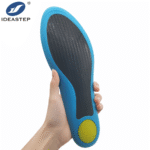
As awareness of foot health continues to grow, orthotic insoles are no longer seen simply as comfort products. They have become important tools for improving gait, relieving foot fatigue, and supporting long-term foot health. Demand for custom orthotics is especially increasing among people who stand for long hours, athletes, and those undergoing foot rehabilitation.
Traditionally, orthotics were made through manual measurements, plaster casting, and technician experience. While these methods have been used for many years, they often present limitations in precision, efficiency, and consistency. With the rise of digital manufacturing, 3D scanning is gradually transforming the way orthotics are produced.
1. What Is 3D Foot Scanning?
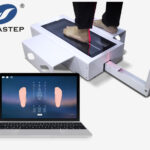
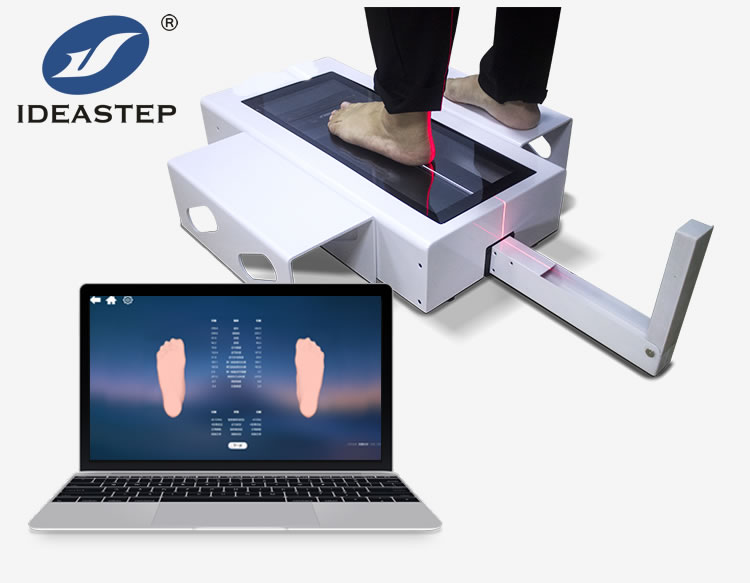
3D foot scanning is a technology that uses optical or laser-based devices to capture the three-dimensional shape of the foot. During the scanning process, the system records the foot’s structure and generates a detailed digital model.
This process typically collects important data such as foot length, foot width, arch height, heel angle, and plantar pressure distribution. Compared with traditional manual measurement, 3D scanning provides a more complete and accurate representation of foot anatomy, creating a stronger foundation for custom orthotic design.
2. From Experience-Based to Data-Driven Manufacturing
Traditional orthotic manufacturing relies heavily on technician experience. Even highly skilled practitioners may interpret measurements differently, which can affect consistency when reproducing products.
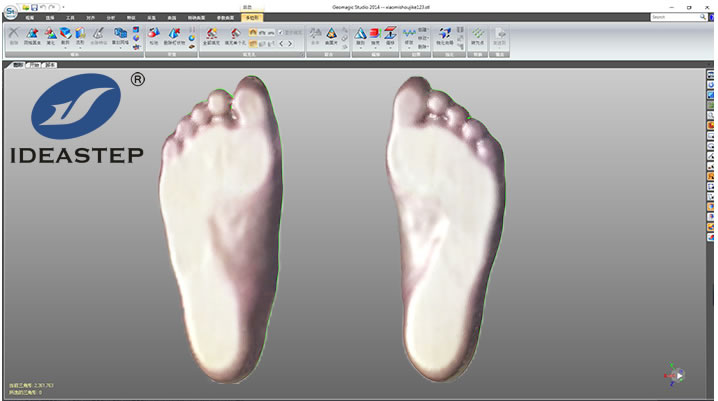
3D scanning is helping move orthotic manufacturing from experience-based methods to a more data-driven process. The scanned data can be directly imported into CAD design software, allowing designers to precisely adjust arch support, heel stabilization, and forefoot cushioning. This makes the final orthotic more accurately matched to the individual foot shape.
3. How 3D Scanning Improves the Manufacturing Process
In traditional production, plaster molding, manual shaping, and repeated adjustments often take considerable time.
With 3D scanning, the workflow becomes more efficient:
Foot scanning → Digital modeling → Orthotic design → Material processing → Final adjustment
Because foot data is stored digitally, information moves more smoothly between design and production. This reduces unnecessary steps, lowers the chance of rework, and shortens overall production time.
4. Key Benefits of 3D Scanning
More Personalized Fit
Every foot has unique structural characteristics. 3D scanning can identify differences in arch shape, forefoot pressure, and heel alignment, making orthotic design more personalized.
Better Comfort and Support
More accurate data allows pressure to be distributed more evenly across the foot, helping reduce localized stress and daily fatigue.
Data Storage and Future Adjustments
Digital foot data can be stored for future use. If adjustments, remakes, or upgrades are needed later, the original data can be quickly accessed, making follow-up service more efficient.
5. Conclusion
3D scanning is fundamentally changing orthotic manufacturing. By shifting the process from experience-based methods to data-driven production, it improves measurement accuracy, production efficiency, and product consistency.
As digital technology continues to develop, 3D scanning will play an increasingly important role in creating more precise, comfortable, and personalized orthotic solutions.
If you would like to learn more about custom orthotics and how digital technology is shaping modern foot care, you can read this page: Crafting Custom Insoles from 3D Scanned Foot Data