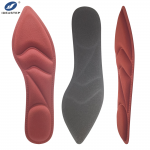
With increasing awareness of foot health, orthotic insoles have become essential tools for relieving foot pain, improving gait, and enhancing comfort. Unlike regular insoles, custom orthotics are tailored to an individual’s foot structure, requiring precise craftsmanship and strict quality control. But how exactly are these insoles made in a factory?
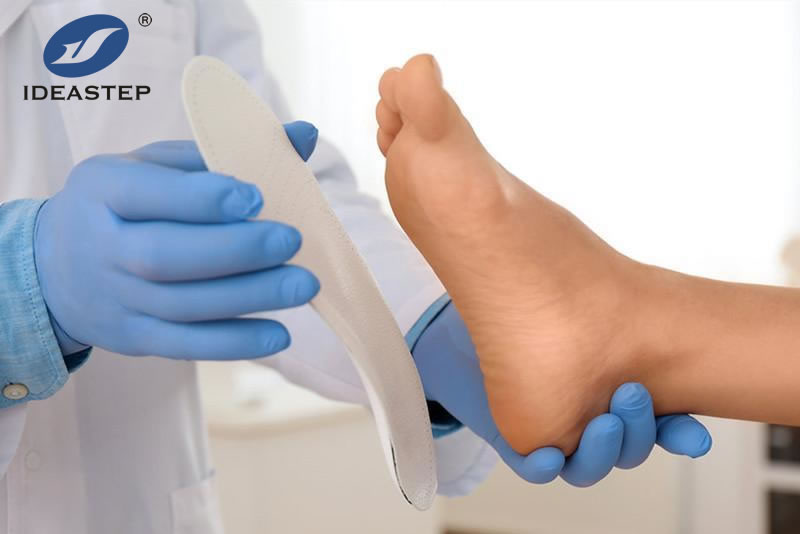
1. Foot Data Collection and Analysis
The first step in making custom orthotics is accurately collecting foot data. Factories typically use 3D scanning, pressure mapping, or traditional plaster molds to measure arch height, foot length and width, and the pressure distribution of the forefoot and heel. This data not only determines the insole’s size but also directly affects its support and comfort.
After data collection, specialists analyze the foot structure to identify areas that require extra support and map pressure points, providing a scientific basis for the insole design.
2. Custom Design
Once the foot data is analyzed, factories use CAD or 3D modeling software to create the insole design. Designers can precisely adjust arch height, heel support angle, and forefoot cushioning thickness, achieving true personalization.
Material selection and hardness are also determined during this phase. For example, people who stand for long periods may require firmer support, while sports insoles prioritize cushioning and flexibility.
3. Material Preparation and Processing
Common insole materials include EVA, PU, carbon fiber, and memory foam. Different materials require different manufacturing methods, such as cutting, heat pressing, injection molding, or shaping.
During processing, factories strictly control the thickness, density, and hardness of the material to ensure the insole supports the arch while providing adequate cushioning and durability.
4. Insole Shaping and Fine-Tuning
After material processing, the insole enters the initial shaping stage. Machines cut the material according to the design model, followed by edge trimming and contour adjustments to ensure a proper fit.
Each insole is further fine-tuned by skilled technicians, who check the support, comfort, and dimensions, ensuring that the final product meets the user’s requirements.
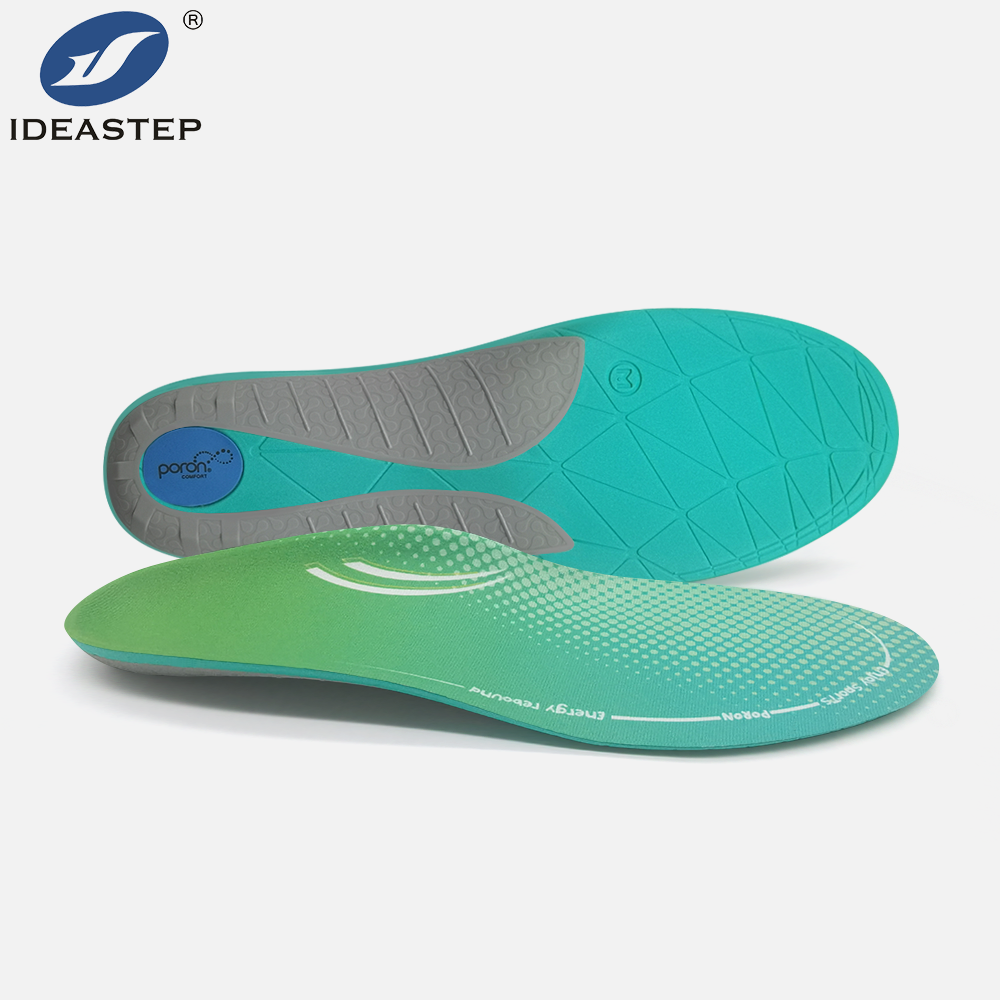
5. Surface Treatment and Functional Enhancements
Once shaped, insoles undergo surface treatment. Factories often add non-slip, breathable, or antibacterial layers to improve usability. Functional features such as shock absorption, pressure relief, and fatigue reduction may also be integrated based on the user’s needs.
Visual aspects, including color, texture, and branding, are considered to balance aesthetics with functionality.
6. Quality Inspection and Packaging
After production, each batch of insoles undergoes strict quality inspection, including checks for size, hardness, softness, and support.
Approved insoles are then carefully packaged to ensure safe transportation and provide a satisfying unboxing experience for the customer.
7. Conclusion
The production of custom orthotics is highly specialized. From foot data collection, design modeling, material processing, and shaping, to surface treatment and rigorous quality inspection, every step ensures that the insole meets the individual’s unique needs.
With precise craftsmanship and carefully selected materials, each custom insole provides comfortable support, improves gait, and relieves foot pain, contributing to long-term foot health.
If you are interested in learning more about how custom orthotics can benefit your feet, you can read this page: custom orthotics benefit your feet