Over the past few years, the functional insole market has undergone significant changes.
In the past, consumers mainly purchased insoles for added comfort. Today, however, runners, people who spend long hours standing, and health-conscious consumers are paying closer attention to arch support, gait stability, and pressure distribution. As a result, orthopedic insoles have become an important category within both the footwear and healthcare industries.
At the same time, footwear brands, sports brands, rehabilitation clinics, and e-commerce businesses are seeking more differentiated product solutions. Compared with standard insoles, custom orthopedic shoe inserts not only meet the needs of different foot types and usage scenarios but also help brands create stronger product value and market positioning.
For companies planning to enter the foot health market, partnering with an experienced OEM/ODM manufacturer means more than securing a reliable supply chain. It also provides access to industry expertise that can shorten development cycles, reduce trial-and-error costs, and improve product competitiveness.
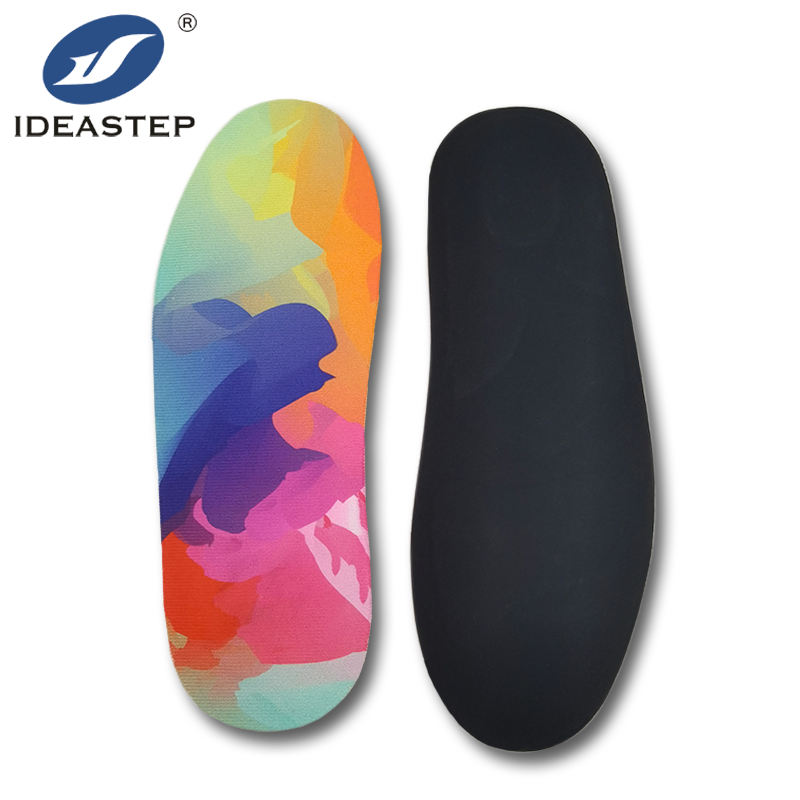
Why Are Custom Orthopedic Shoe Inserts Becoming Increasingly Popular?
Every foot is different.
Arch height, body weight distribution, walking habits, and athletic activities all affect how pressure is distributed across the feet. Because of these differences, a single standard insole cannot effectively meet the needs of every consumer.
The primary purpose of custom orthopedic insoles is to improve foot biomechanics through optimized pressure distribution, arch support, and enhanced stability. This helps users achieve greater comfort and better overall foot function.
Common Applications
- Flat foot support
- High arch cushioning
- Plantar fasciitis relief
- Heel pain management
- Pressure reduction for long-standing workers
- Running and sports performance support
- Diabetic foot protection
The growth of the sports industry has also contributed to increased demand for orthopedic insoles. More runners and athletes now understand that foot stability directly impacts not only athletic performance but also the long-term health of the knees, hips, and lower back.
As a result, orthopedic insoles have evolved from a niche medical product into a mainstream wellness solution.
How Is Global Demand for Orthopedic Insoles Changing?
Understanding market trends helps brands make informed product development decisions.
Based on recent industry experience, several key trends continue to shape the orthopedic insole market.
Growing Demand for Personalization
Consumers are no longer satisfied with a one-size-fits-all approach.
More brands are developing product lines based on:
- Arch type
- Activity level
- Age group
- Specific sports requirements
For example, marathon runners typically require enhanced stability and shock absorption, while office workers often prioritize comfort and pressure relief.
The Convergence of Medical and Sports Markets
Orthopedic insoles were traditionally associated with medical and rehabilitation applications.
Today, many sports brands incorporate arch support, gait optimization, and impact protection into their performance footwear solutions.
In activities such as running, hiking, tennis, and golf, consumers are increasingly willing to invest in premium foot support products.
Increasing Interest in Sustainable Materials
Particularly in European markets, sustainability has become an important purchasing consideration.
Common requests include:
- Recycled EVA materials
- Bio-based polyurethane materials
- Eco-friendly packaging solutions
- Reduced carbon footprint during production
For brands targeting Europe and North America, environmental responsibility is becoming a significant competitive advantage.
OEM vs. ODM: Which Model Is Right for Your Business?
Different stages of business development require different product development approaches.
OEM: Building a Truly Unique Product
OEM (Original Equipment Manufacturing) is ideal for brands with a clear product vision and technical specifications.
The customer typically provides:
- Product concepts and requirements
- Technical specifications
- Brand identity elements
- Packaging designs
The manufacturer handles:
- Engineering development
- Mold creation
- Material sourcing
- Mass production
- Quality control
This model offers the highest degree of customization and brand differentiation.
ODM: Faster Market Entry
ODM (Original Design Manufacturing) is often the preferred option for businesses looking to launch products quickly.
By leveraging existing product platforms, brands can reduce development time and upfront investment.
Customization options may include:
- Product appearance
- Material combinations
- Brand logos
- Retail packaging
ODM solutions are especially popular among e-commerce sellers, startups, and companies testing new market opportunities.
How Is a Successful Orthopedic Insole Project Developed?
Many first-time buyers assume that creating an orthopedic insole simply involves selecting materials and printing a logo.
In reality, developing a high-performance product requires a structured engineering process.
Step 1: Define the Target User
Before development begins, several important questions should be addressed:
- Who is the end user?
- What problem should the product solve?
- Will it be used for daily wear or sports activities?
- Is it positioned for the mid-range or premium market?
These decisions directly influence product structure and material selection.
For example, arch support designed for runners differs significantly from support intended for office workers who spend long hours standing.
Step 2: Structure Design and Material Selection
The most expensive material is not necessarily the best choice. Material selection should always align with product positioning and user requirements.
EVA Foam
- Lightweight
- Excellent cushioning
- Cost-effective
- Easy to process
Suitable for mainstream consumer products.
PU Foam
- Outstanding rebound performance
- Long-lasting durability
- Stable support
Ideal for mid-range and premium orthopedic insoles.
Gel Components
Commonly used for:
- Heel cushioning
- Forefoot shock absorption
- Impact reduction
TPU and Carbon Fiber Support Structures
Designed to:
- Enhance arch support
- Improve stability
- Maintain structural integrity
Frequently used in sports and advanced orthopedic applications.
Step 3: Prototype Testing and Optimization
Many successful products go through multiple rounds of testing and refinement.
For example, during the development of a hiking insole project, the customer required both lightweight comfort and strong structural support.
Initial testing revealed that standard EVA materials experienced support degradation during prolonged load-bearing activities.
The engineering team subsequently redesigned the midfoot structure and incorporated a higher-density support layer. After several rounds of optimization, the final product achieved significantly improved stability while maintaining comfort.
These adjustments often determine a product’s long-term success in the market.
Questions International Buyers Ask Most Frequently
What Is the Typical MOQ?
Minimum order quantities vary depending on product complexity, materials, and customization requirements.
Standard models often support lower MOQs, while fully customized products may require larger production volumes due to tooling and manufacturing costs.
How Long Does Product Development Take?
A typical development process includes:
- Requirement analysis
- Design and engineering
- Prototype creation
- Testing and refinement
Development timelines depend on product complexity and project scope.
Do You Offer Private Label Services?
Most OEM and ODM projects support:
- Custom logos
- Retail packaging
- Private labeling
- User manuals and inserts
These services help brands establish a professional market presence quickly.
How Can Product Compliance Be Ensured?
For international markets, buyers typically focus on:
- REACH compliance
- RoHS compliance
- Material safety testing
- Quality management certifications
Addressing regulatory requirements during the development phase helps avoid costly revisions later.
Why Does Manufacturing Experience Matter?
While pricing is always important, experience often creates greater long-term value.
Manufacturers with extensive project experience can:
- Understand market requirements faster
- Identify potential design risks early
- Optimize material combinations
- Improve development efficiency
- Maintain consistent product quality
In orthopedic insole development, product performance depends on the balance between structure design, material selection, and manufacturing processes.
These capabilities are built through years of project experience rather than specifications alone.
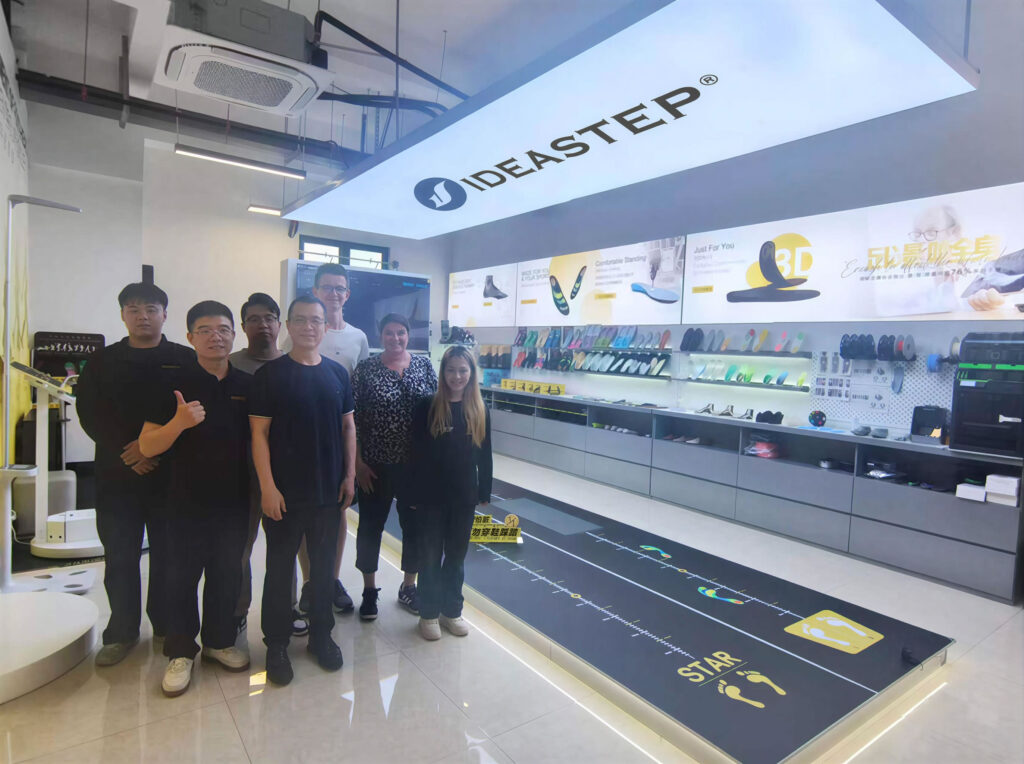
Over the years, Ideastep has supported brands across Europe, North America, Australia, and Asia, developing a comprehensive system covering product development, prototyping, manufacturing, and quality management to support diverse OEM and ODM projects.
How to Choose the Right Orthopedic Insole Manufacturing Partner
When evaluating potential suppliers, consider the following factors:
Research and Development Capability
Strong R&D capabilities drive product innovation and market differentiation.
Quality Management Systems
Consistent quality is essential for long-term business success.
International Market Experience
Familiarity with export regulations and global standards can significantly improve project efficiency.
Technical Support
Professional guidance throughout development and future product improvements adds long-term value.
Supply Chain Stability
Reliable material sourcing and manufacturing capacity are critical for consistent delivery performance.
Choosing a supplier is not simply about finding a factory—it is about establishing a partnership capable of supporting future growth.
Capture Opportunities in the Growing Foot Health Market
As consumers place greater emphasis on health and wellness, the orthopedic insole market continues to expand. From sports performance enhancement and everyday comfort to rehabilitation and personalized foot care, orthopedic insoles are becoming an increasingly important category worldwide.
Whether an established footwear brand is expanding its product portfolio or a new company is entering the foot health industry, success depends on understanding user needs and transforming those insights into competitive products.
From material selection and structural engineering to mass production and quality assurance, every stage influences the final product’s performance and market acceptance.
For businesses exploring opportunities in custom orthopedic insoles, collaborating with an experienced development and manufacturing partner can significantly accelerate product success and market growth.
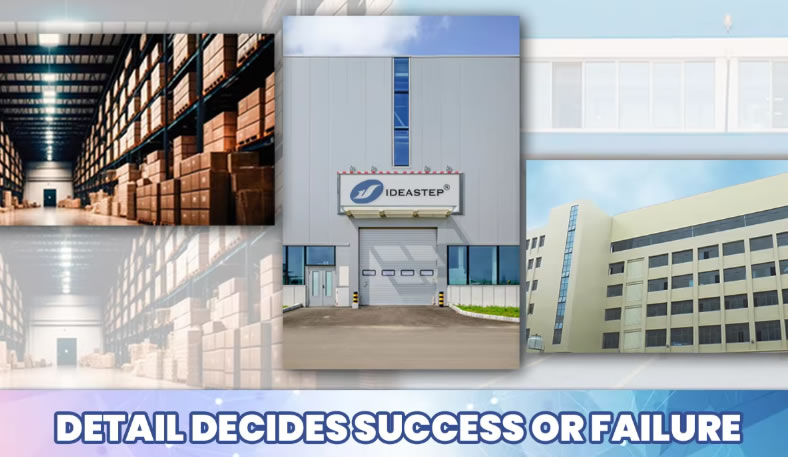
As a specialized manufacturer of functional and orthopedic insoles, Ideastep remains committed to providing flexible, professional, and scalable OEM/ODM solutions that help global partners create innovative and competitive foot health products.
Want to know more about orthotic insoles? Click here to find out:Prefabricated Orthotic Insoles