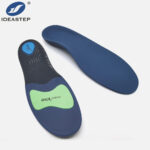
If you constantly feel like there’s a small pebble under the ball of your foot, or you experience burning pain, tingling, or numbness after walking, you may have already come across a condition called Morton’s neuroma.
For many people, one of the first recommendations from a podiatrist is surprisingly simple:
“Change your shoes and try orthotics.”
But that naturally raises an important question:
Do orthotics actually help Morton’s neuroma, or do they only provide temporary comfort?
The answer is a little more nuanced than a simple yes or no.
For some people with mild to moderate symptoms, the right orthotics can significantly reduce pain and irritation. However, if the nerve has already been compressed and inflamed for a long time, orthotics alone may not be enough.
The real issue is not whether the insole feels soft.
What matters is whether it truly reduces pressure on the forefoot.
What Is Morton’s Neuroma?
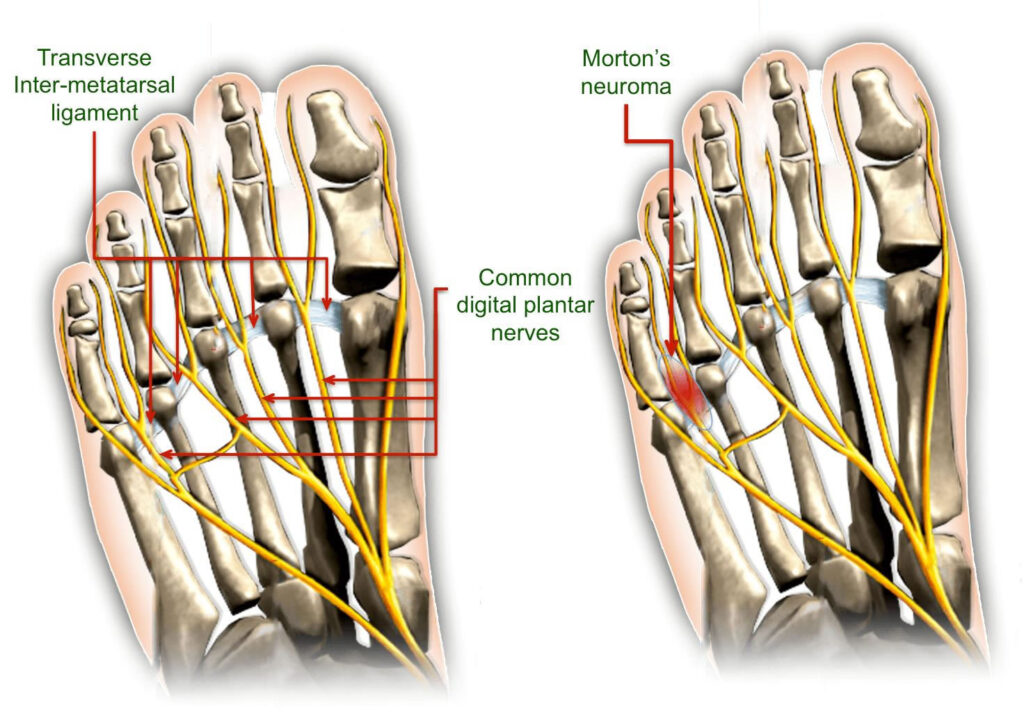
Despite the name, Morton’s neuroma is not actually a tumor.
It is more accurately described as a thickened or irritated nerve caused by repeated pressure and inflammation.
The condition most commonly develops between the third and fourth toes. Over time, constant compression in this area can make the nerve swollen and sensitive, leading to pain, burning sensations, tingling, or numbness.
Many people do not immediately realize the pain is nerve-related.
Instead, they often describe it as:
- Feeling like something is stuck inside the shoe
- A sharp electric pain in the forefoot
- Numb toes after walking
- Pain that improves after removing shoes
High heels, narrow shoes, running, and activities that overload the ball of the foot are all common contributing factors.
People whose forefeet are constantly squeezed into tight footwear are especially prone to developing symptoms.
Why Do Doctors Recommend Orthotics?
In clinical practice, podiatrists usually try to reduce pressure on the forefoot before considering injections or surgery.
The reason is straightforward.
The biggest problem in Morton’s neuroma is ongoing nerve compression.
As long as that pressure continues, irritation and inflammation are unlikely to fully settle down.
This is where orthotics can help.
The primary goal of orthotics is to redistribute pressure across the foot.
How Can Orthotics Reduce Pain?
Many people assume orthotics work simply because they add cushioning.
In reality, effective orthotics for Morton’s neuroma do much more than that.
Their main purpose is usually to:
- Redistribute forefoot pressure
- Reduce compression between the metatarsal bones
- Create more space around the irritated nerve
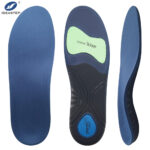
One of the most common features is a metatarsal pad.
This small support gently lifts the transverse arch of the forefoot, helping separate the metatarsal heads slightly so they do not squeeze the nerve as much.
Many patients notice that the classic “walking on a pebble” sensation becomes less noticeable after using properly designed orthotics.
This is also why:
Some soft insoles provide little relief, while others that feel firmer may actually work better.
The issue is not just cushioning.
It is pressure reduction.
Not All Orthotics Work for Morton’s Neuroma
This is where many people make mistakes.
As soon as pain starts, the first instinct is often:
“I should buy the softest insole possible.”
But overly soft insoles can sometimes increase instability in the forefoot, leading to even more irritation.
Instead, there are several features that matter far more.
1. Metatarsal Support
This is arguably the most important feature.
If an orthotic has no forefoot support and only adds softness, it may do very little to relieve nerve compression.
A well-designed metatarsal pad helps distribute pressure more evenly instead of concentrating force directly on the painful area.
2. Proper Arch Support
Many people with Morton’s neuroma also have underlying biomechanical issues such as:
- Flat feet
- Overpronation
- Unstable gait mechanics
These problems can increase stress on the ball of the foot.
Appropriate arch support helps redistribute pressure throughout the foot more evenly.
Sometimes the pain feels like a forefoot problem, but the root cause starts higher up in the foot structure.
3. Shoe Width Matters More Than Many People Think
Some people change insoles but never experience improvement.
In many cases, the real problem is not the orthotic.
It is the shoe itself.
Footwear that commonly worsens Morton’s neuroma includes:
- Narrow toe-box shoes
- High heels
- Tight athletic shoes
Even the best orthotics may not help if the shoe continues compressing the nerve.
For Morton’s neuroma, a wider toe box is often more important than extra cushioning.
Are Custom Orthotics Always Better?
Not necessarily.
Some people with mild symptoms improve significantly using quality over-the-counter orthotics.
However, custom orthotics may be more beneficial if you have:
- Severe flat feet
- Long-term gait abnormalities
- Persistent pain for years
- No improvement with standard insoles
Custom devices are designed around your specific:
- Foot shape
- Pressure distribution
- Walking mechanics
That said, custom orthotics are not a miracle solution.
Patients with chronic nerve thickening or fibrosis may still experience only partial relief.
Can Orthotics Cure Morton’s Neuroma?
This is one of the most common questions patients ask.
Strictly speaking, orthotics are considered a conservative treatment rather than a permanent cure.
For people in the earlier stages of the condition, reducing forefoot pressure and switching to better footwear may help stabilize symptoms long term.
However, if symptoms have progressed to:
- Persistent numbness
- Night pain
- Significant nerve thickening
- Difficulty walking
Orthotics alone may only provide partial symptom relief.
This is why some people respond extremely well to orthotics, while others notice minimal improvement.
The outcome often depends on how advanced the condition has become.
When Might Orthotics Not Be Enough?
If you experience the following symptoms, the condition may already be more advanced:
- Pain lasting for years
- Sharp pain with every step
- Constant burning in the forefoot
- Difficulty staying active
- Pain that continues despite changing shoes
In these cases, orthotics alone may not fully solve the problem.
Additional treatments sometimes include:
- Anti-inflammatory medications
- Physical therapy
- Corticosteroid injections
- Alcohol sclerosing injections
- Nerve decompression surgery
Long-term untreated compression can eventually lead to chronic nerve thickening, which is typically harder to manage conservatively.
Orthotics Are Only Part of the Solution
Many people focus entirely on the insole itself.
But improvement in Morton’s neuroma is usually the result of several changes working together.
Switching Shoes
This may actually matter more than the orthotics.
A shoe with enough room in the forefoot can dramatically reduce nerve irritation.
Some patients notice meaningful improvement simply by stopping the use of narrow or pointed shoes.
Reducing High-Pressure Activities
Activities that repeatedly overload the forefoot can continue irritating the nerve, including:
- Long-distance running
- Jumping sports
- Frequent high heel use
Rest and Ice Therapy
During flare-ups, reducing activity and applying ice to the forefoot may help calm inflammation and pain.
How Long Do Orthotics Take to Work?
The timeline varies from person to person.
Some people with mild symptoms feel improvement within a few weeks.
Others may need several months before irritation gradually settles down.
The most important factor is consistent pressure reduction.
If you wear orthotics during the day but continue using tight shoes or high heels afterward, the nerve may remain irritated.
Sometimes the problem is not that orthotics “do not work.”
It is that the pressure never truly goes away.
Final Thoughts: Are Orthotics Worth Trying for Morton’s Neuroma?
In many cases, yes.
For people with mild to moderate Morton’s neuroma, properly designed orthotics can help:
- Reduce nerve compression
- Relieve forefoot pain
- Decrease numbness and burning sensations
- Improve walking comfort
However, the best orthotics are not always the softest ones, and not every patient benefits from the same type of support.
The real goal is reducing pressure on the forefoot.
If symptoms continue worsening or persist for a long time, it is best to consult a podiatrist or foot and ankle specialist instead of relying solely on changing insoles.
Disclaimer: This article is for informational purposes only and does not replace professional medical advice, diagnosis, or treatment. If you have persistent foot pain, consult a qualified healthcare professional.