
If you experience sharp heel pain when getting out of bed in the morning or discomfort after standing for long periods, you’re not alone. Plantar fasciitis is one of the most common causes of foot pain among adults, especially runners, healthcare workers, teachers, retail employees, and anyone who spends hours on their feet.
While treatment options vary, many podiatrists and orthopedic specialists recommend supportive insoles as part of a comprehensive approach to managing plantar fasciitis. The right insoles can help reduce strain on the plantar fascia, improve foot alignment, and provide lasting comfort throughout the day.
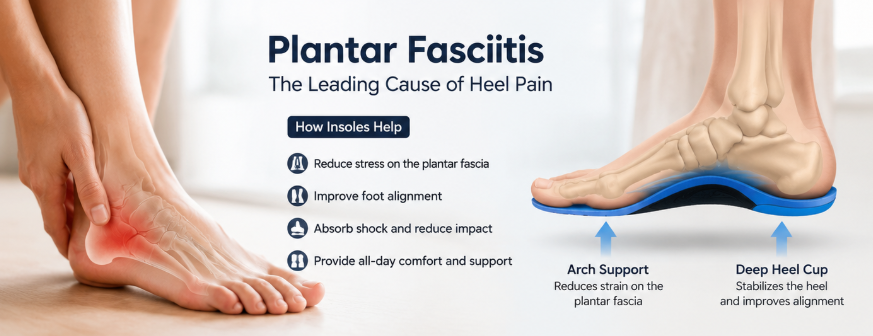
What Is Plantar Fasciitis?
The plantar fascia is a thick band of connective tissue that runs along the bottom of the foot, connecting the heel bone to the toes. It supports the arch of the foot and absorbs impact during walking and running.
When excessive stress is placed on the plantar fascia, small tears and inflammation can develop, leading to plantar fasciitis.
Common symptoms include:
- Sharp heel pain, especially in the morning
- Discomfort after prolonged standing or walking
- Tightness or pain along the arch of the foot
If left untreated, plantar fasciitis can affect walking patterns and contribute to discomfort in the knees, hips, or lower back.
Why Doctors Recommend Insoles for Plantar Fasciitis
Doctors don’t recommend insoles simply because they feel comfortable. The primary goal is to support the foot properly and reduce excessive strain on the plantar fascia.
Pressure Redistribution
Supportive insoles help distribute body weight more evenly across the foot, reducing excessive pressure on the heel and arch.
Improved Foot Alignment
Many people with plantar fasciitis also experience overpronation or poor foot mechanics. Insoles help improve alignment and promote a more stable walking pattern.
Shock Absorption
Daily activities place significant stress on the feet. Quality insoles provide cushioning that helps absorb impact and reduce irritation of the plantar fascia.
Better Foot Environment
Breathable materials can help keep feet dry and comfortable, especially for individuals who spend long hours on their feet.
Key Features Doctors Look for in Plantar Fasciitis Insoles
When recommending insoles, healthcare professionals typically focus on support, stability, and long-term effectiveness rather than softness alone.
Proper Arch Support
Different foot types require different levels of support. Whether you have flat feet, neutral arches, or high arches, proper arch support helps reduce stress on the plantar fascia.
Deep Heel Cup Design
A deep heel cup helps stabilize the heel, control excessive foot motion, and improve overall foot positioning during movement.
Supportive Materials
Common materials used in high-quality insoles include:
- EVA for lightweight cushioning
- PU for durable support
- Memory foam for enhanced comfort
The best insoles combine cushioning and support rather than focusing on softness alone.
Long-Term Durability
Supportive features should remain effective over time. Durable insoles maintain their structure and performance even with regular use.
Who Benefits Most from Orthotic Insoles?
People with Flat Feet or High Arches
Abnormal foot mechanics can increase strain on the plantar fascia. Orthotic insoles help improve weight distribution and support.
People Who Stand for Long Hours
Healthcare professionals, teachers, retail workers, and warehouse employees often experience foot fatigue and heel pain due to prolonged standing.
Supportive insoles can help reduce daily stress on the feet and improve overall comfort.
Athletes and Active Individuals
Running, hiking, and other high-impact activities place additional stress on the plantar fascia. Proper support may help reduce the risk of injury and discomfort.
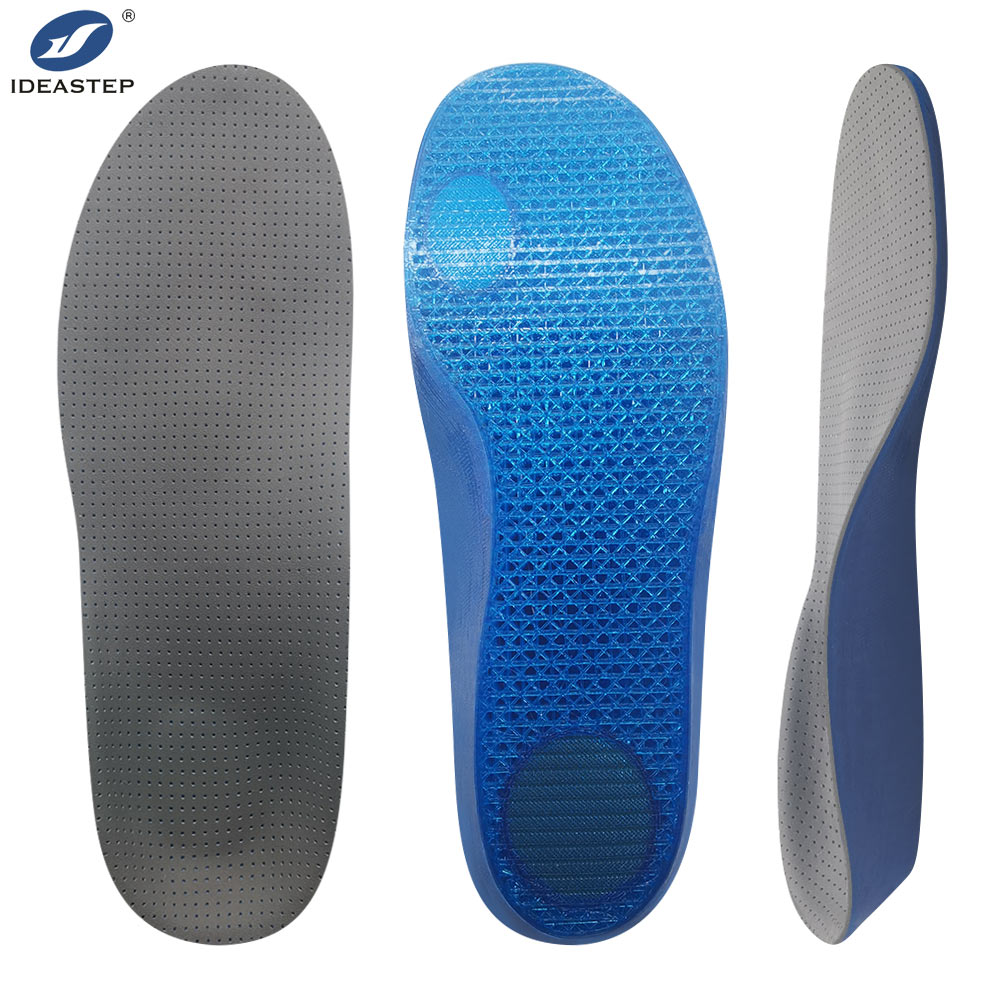
Custom Orthotics vs. Over-the-Counter Insoles
Benefits of Custom Orthotics
- Designed specifically for individual foot structure
- Targeted support for complex foot conditions
- Suitable for long-term management
Benefits of Prefabricated Insoles
- More affordable
- Widely available
- Easy to replace
How to Decide
If symptoms are mild, a high-quality over-the-counter insole may provide sufficient support. However, individuals with chronic pain, severe flat feet, high arches, or ongoing mobility issues may benefit from professional evaluation and custom orthotics.
Common Mistakes When Choosing Insoles
Choosing Softness Over Support
Many people assume softer insoles are better. In reality, excessive softness often fails to provide the structural support needed for plantar fasciitis.
Ignoring Foot Type
Not every insole works for every foot. Choosing an insole that matches your foot structure is essential.
Using Worn-Out Insoles Too Long
Even the best insoles lose effectiveness over time. Replacing them when they show signs of wear helps maintain proper support.
Important Note
This article is intended for educational purposes only and should not replace professional medical advice. If heel pain persists or worsens, consult a podiatrist, orthopedic specialist, or qualified healthcare professional.
Final Thoughts
Finding the best insoles for plantar fasciitis may not eliminate discomfort overnight, but proper support can make a significant difference in daily comfort and long-term foot health.
Rather than focusing solely on price, consider whether the insole provides the right level of arch support, stability, and durability for your specific needs. The best insole is the one that fits your foot type, lifestyle, and activity level.
Related product links: plantar fasciitis relief