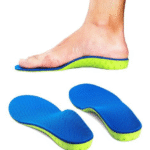
The sole material plays an important role in a shoe’s comfort, durability, weight, and overall performance. Among the many materials used in footwear, EVA and rubber are two of the most common choices.
When comparing EVA sole vs rubber sole, neither material is always better than the other. EVA is often chosen for lightweight cushioning and flexibility, while rubber is preferred for durability, traction, and wear resistance. The right choice depends on the purpose of the footwear and the performance requirements.
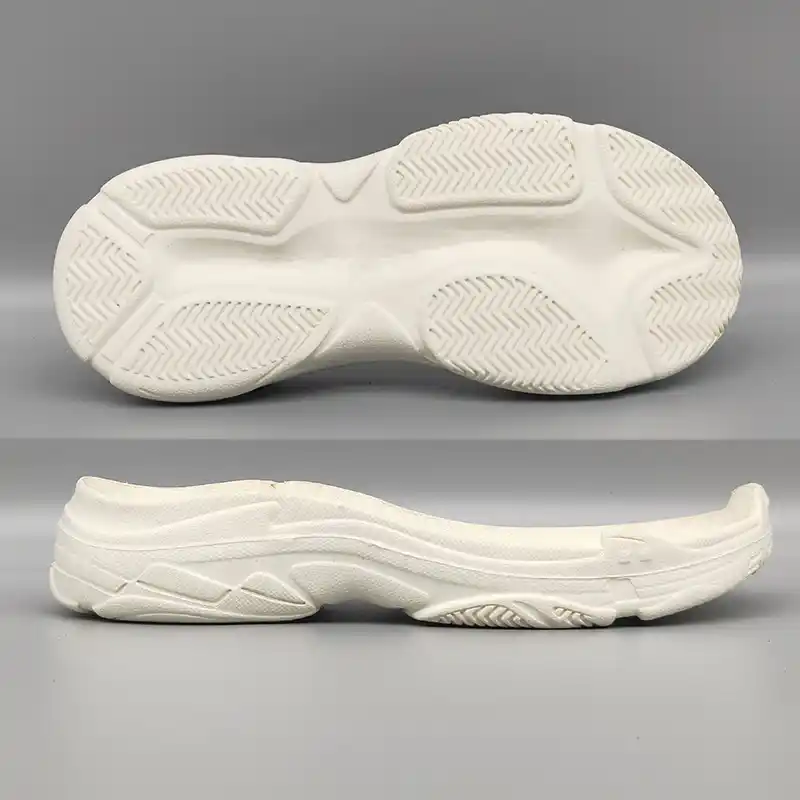
What Is an EVA Sole?
EVA, short for Ethylene Vinyl Acetate, is a lightweight foam material widely used in footwear, including midsoles, outsoles, and insoles.
Its foam structure allows EVA to provide cushioning while reducing overall shoe weight. This makes EVA a popular choice for sports shoes, walking shoes, and comfort-focused footwear.
The performance of EVA depends on factors such as density, hardness, and compression resistance. Different formulations can create materials with different levels of softness, support, and durability.
Common features of EVA soles include:
- Lightweight construction
- Good cushioning performance
- Flexible feel
- Shock absorption
What Is a Rubber Sole?
Rubber soles are made from different rubber compounds and are widely used in footwear where durability and grip are important.
Compared with EVA, rubber has a denser structure, which gives it excellent wear resistance and strong traction on different surfaces.
Common features of rubber soles include:
- High durability
- Excellent abrasion resistance
- Strong grip performance
- Stable structure
EVA Sole vs Rubber Sole: Key Differences
Weight
EVA soles are lighter than rubber soles. The foam structure of EVA reduces density, making shoes easier to wear for long periods.
This lightweight advantage makes EVA suitable for running shoes, walking shoes, and everyday footwear where comfort and flexibility are important.
Rubber soles are generally heavier, but the added weight provides better protection and durability, which is valuable for work and outdoor footwear.
Cushioning and Comfort
EVA usually performs better in cushioning because its foam structure helps absorb impact and reduce pressure under the foot.
This softer feel is one reason EVA is commonly used in footwear designed for walking, sports, and daily comfort.
Rubber soles usually provide a firmer feel. Their main advantages are durability and grip rather than lightweight cushioning.
Durability
Rubber soles generally offer better wear resistance, especially when shoes are used on rough surfaces or in demanding environments.
EVA provides excellent comfort but may gradually compress under repeated pressure. The durability of EVA depends largely on its density and material design.
Flexibility
EVA soles are naturally flexible and can easily follow foot movement, making them comfortable for walking and daily activities.
Rubber soles can also be flexible, but they are usually firmer and more structured. Their flexibility depends on the rubber compound and outsole design.
Grip and Slip Resistance
Rubber generally provides stronger traction, especially on wet or uneven surfaces. This makes it a common choice for outdoor shoes, work footwear, and safety footwear.
However, grip performance depends not only on the material but also on outsole patterns and surface conditions.
EVA Sole vs Rubber Sole Comparison Table
| Feature | EVA Sole | Rubber Sole |
|---|---|---|
| Weight | Lightweight | Heavier |
| Cushioning | Excellent cushioning | Firmer cushioning |
| Durability | Good for comfort-focused footwear | Excellent wear resistance |
| Flexibility | High flexibility | Medium flexibility |
| Grip | Good depending on design | Excellent traction |
| Common Applications | Sports shoes, walking shoes, casual footwear | Work shoes, outdoor shoes, safety footwear |
Is EVA or Rubber Better for Shoe Soles?
The better material depends on how the footwear will be used.
EVA soles are usually a better choice for:
- Lightweight footwear
- Walking shoes
- Sports shoes
- Comfort-focused designs
Rubber soles are usually a better choice for:
- Work shoes
- Outdoor footwear
- High-wear applications
- Shoes requiring strong traction
Can EVA and Rubber Be Used Together?
Yes. Many modern footwear designs combine EVA and rubber to achieve a balance between comfort and durability.
For example, EVA can be used in the midsole area to provide lightweight cushioning, while rubber is added to high-wear outsole areas to improve durability and grip.
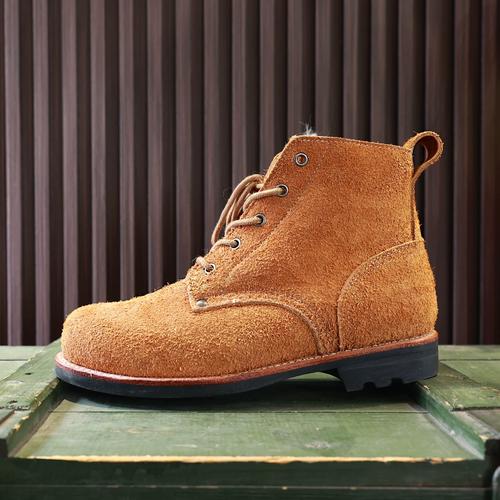
How to Choose the Right Sole Material?
When selecting between EVA and rubber soles, consider the following factors:
- Footwear purpose: Sports, casual, work, or outdoor use
- Comfort needs: EVA is often preferred when cushioning and lightweight performance are important
- Durability requirements: Rubber is suitable for frequent use and harsh environments
- Surface conditions: Rubber is often preferred where stronger traction is needed
Frequently Asked Questions
Is EVA sole better than rubber sole?
It depends on the application. EVA is better for lightweight cushioning and comfort, while rubber is better for durability and traction.
Are EVA soles durable?
Yes. EVA soles can provide good durability when the material density and formulation are properly designed. However, rubber usually offers better resistance to abrasion.
Can EVA and rubber be used together?
Yes. Combining EVA and rubber is common in footwear design because it allows manufacturers to achieve both cushioning comfort and long-lasting durability.
Conclusion
EVA sole vs rubber sole is not about choosing one material as the universal winner. EVA focuses on lightweight comfort, cushioning, and flexibility, while rubber focuses on durability, grip, and wear resistance.
The best sole material depends on the footwear application, expected performance, and user requirements. Understanding these differences helps designers, manufacturers, and consumers make a more suitable choice.
Related Reading:
Is EVA Material Good for Rainy Season?
Is EVA Foam Safe for Vinyl Plank Flooring?
Is EVA Material Good for Feet?