Rainy weather can quickly reveal the weaknesses of footwear and everyday materials. Some materials absorb water easily, become heavier after exposure to moisture, or lose comfort when used in humid conditions. This is why many people consider EVA when choosing materials for products used during the rainy season.
Is EVA material good for rainy season? In most everyday applications, yes. EVA (Ethylene Vinyl Acetate) is widely used in footwear, shoe soles, insoles, and outdoor products because it has low water absorption, lightweight properties, and good flexibility.
However, EVA should not simply be considered a completely waterproof material. The final performance depends on the product design, material quality, surface structure, and how the product is used. Understanding the characteristics of EVA can help determine whether it is suitable for wet environments.
What Is EVA Material?
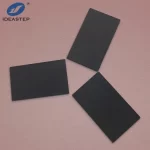
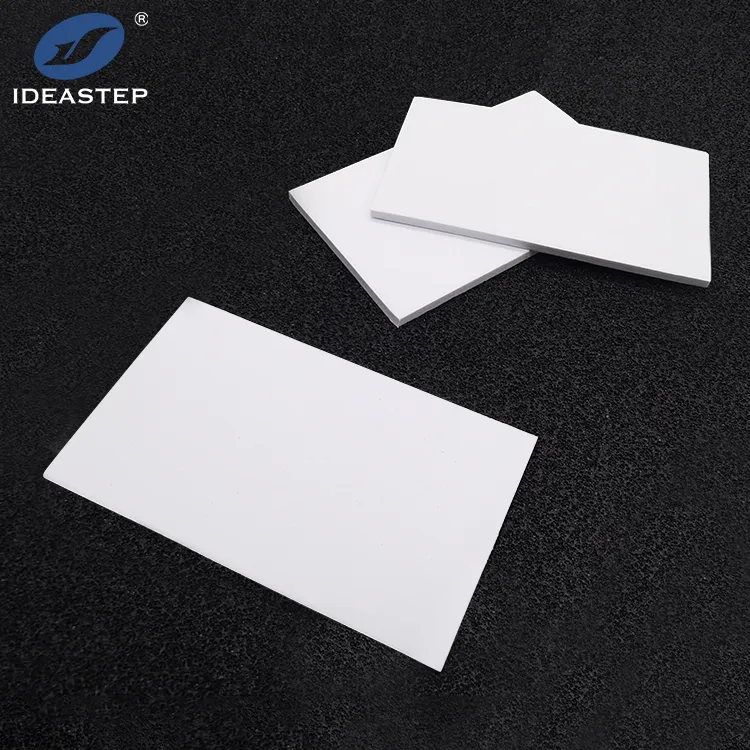
EVA, or Ethylene Vinyl Acetate, is a flexible foam material made from ethylene and vinyl acetate. It is commonly used in footwear, sports products, protective materials, and various cushioning applications.
EVA is popular because it provides a balance of:
- Lightweight performance
- Soft cushioning
- Flexibility
- Shock absorption
- Low moisture absorption
- Good durability for everyday use
These properties make EVA suitable for products that need to remain comfortable and functional in different weather conditions.
Why Is EVA Suitable for Rainy Season?
The main advantage of EVA in wet environments comes from its foam structure and material characteristics. Unlike some materials that easily absorb moisture, EVA can maintain its basic properties after normal exposure to rain.
Low Water Absorption
One of the key reasons EVA performs well during rainy seasons is its low water absorption.
EVA foam typically has a closed-cell structure, meaning the internal foam cells are sealed rather than interconnected. This structure limits water movement inside the material and helps prevent the foam from becoming saturated.
As a result, EVA products usually remain lightweight after contact with rainwater and can dry relatively quickly after use.
Closed-Cell Structure Helps Resist Moisture
The closed-cell structure is an important feature of EVA foam. Unlike open-cell foams that can trap moisture more easily, closed-cell EVA reduces the amount of water that can enter the foam structure.
This characteristic is especially useful for products such as EVA sandals, shoe soles, and outdoor accessories that may frequently come into contact with water.
Lightweight Performance in Wet Conditions
One common problem with rainy weather is that some footwear materials become heavier after absorbing water. EVA helps avoid this issue because it absorbs very little moisture.
This lightweight characteristic makes EVA products comfortable for daily activities in humid or rainy environments.
Easy to Clean and Maintain
Rainy conditions often bring mud, dust, and dirt. EVA materials usually have a smooth surface that makes cleaning easier.
In many cases, simple rinsing with water and mild cleaning methods are enough to remove surface dirt, helping maintain the appearance and performance of EVA products.
Is EVA Waterproof?
Although EVA has excellent moisture resistance, there is an important difference between water-resistant and waterproof.
EVA material itself absorbs very little water, but the waterproof performance of a finished product depends on the complete design.
Factors that influence wet-weather performance include:
- Material density
- Product structure
- Surface design
- Additional coatings or treatments
- Other materials used in the product
For example, an EVA sole may perform well in rainy conditions, but a shoe with a fabric upper may still allow water to enter through other areas. The overall product construction determines the final level of protection.
What Factors Affect EVA Performance in Wet Conditions?
Not all EVA products perform exactly the same way. Several material and manufacturing factors can influence durability and moisture resistance.
EVA Density
Density plays an important role in EVA performance. Higher-density EVA generally provides better structural stability and resistance to repeated compression.
Lower-density EVA may offer a softer feel, but it may experience faster compression depending on how it is used.
EVA Formulation
The formulation of EVA, including the ratio of materials used during production, can affect softness, flexibility, resilience, and durability.
Different applications require different EVA characteristics. For example, footwear soles may require a different balance of cushioning and durability compared with protective foam products.
Product Design
The design of the final product also affects performance in rainy conditions.
Features such as surface texture, drainage design, thickness, and connection methods can influence how well a product handles moisture exposure.
Common Applications of EVA During Rainy Season
Because of its moisture resistance and comfort properties, EVA is widely used in products designed for wet or humid environments.
- EVA sandals and slippers
- EVA shoe soles
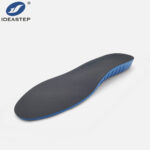
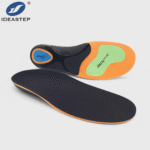
- EVA foam insoles
- Beach footwear
- Poolside footwear
- Garden shoes
- Outdoor cushioning products
These applications benefit from EVA’s combination of lightweight comfort, flexibility, and easy maintenance.
EVA vs Rubber for Rainy Weather
Rubber is well known for its excellent water resistance and durability, making it a common material for rain footwear. However, EVA offers different advantages.
EVA is generally lighter and provides better cushioning, while rubber is often selected when maximum durability and traction are the primary requirements.
The best choice depends on the intended application. For lightweight and comfortable footwear, EVA is often a practical option.
How to Maintain EVA Products During Rainy Season
Although EVA is relatively easy to maintain, proper care can help extend its service life.
- Clean mud and dirt after outdoor use.
- Allow EVA products to dry naturally after getting wet.
- Avoid prolonged exposure to direct sunlight or high temperatures.
- Store products in a dry and ventilated area.
- Avoid harsh chemicals that may affect the surface.
Frequently Asked Questions
Does EVA foam absorb rainwater?
EVA foam has low water absorption because of its closed-cell structure. Under normal conditions, it does not absorb significant amounts of rainwater.
Can EVA shoes be used in rainy weather?
Yes. EVA footwear is commonly used in rainy and humid conditions because it is lightweight, comfortable, and easy to clean.
Does EVA become damaged after getting wet?
Normal exposure to rainwater usually does not damage quality EVA material. Proper drying and maintenance can help preserve its performance.
Does EVA become slippery when wet?
EVA itself has good moisture resistance, but slip performance depends on the product design, especially surface texture and outsole patterns.
Conclusion
Is EVA material good for rainy season? EVA is a practical material choice for many wet-weather applications because it combines low moisture absorption, lightweight comfort, flexibility, and easy maintenance.
However, the performance of an EVA product depends on more than the material alone. Factors such as density, formulation, and overall design all influence how well it performs in rainy conditions.
For footwear, insoles, and outdoor products exposed to moisture, properly designed EVA materials can provide reliable comfort and durability throughout the rainy season.
Related Reading:
Is EVA Material Good for Feet?
How long do EVA materials last?