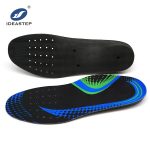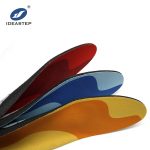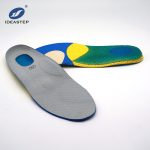
For footwear manufacturers, selecting the right sole material is not simply about choosing a lightweight foam. The material must match the shoe structure, production process, target market, and expected performance. A suitable sole material can directly influence comfort, durability, and the overall value of the final footwear product.
Among different footwear materials, EVA Foam Shoe Sole has become a preferred choice for sports shoes, casual footwear, and industrial applications because of its balanced performance, flexible processing, and customization potential.
For shoe brands, OEM manufacturers, and footwear material buyers, working with an experienced EVA foam supplier helps ensure stable quality, suitable material selection, and reliable bulk production.
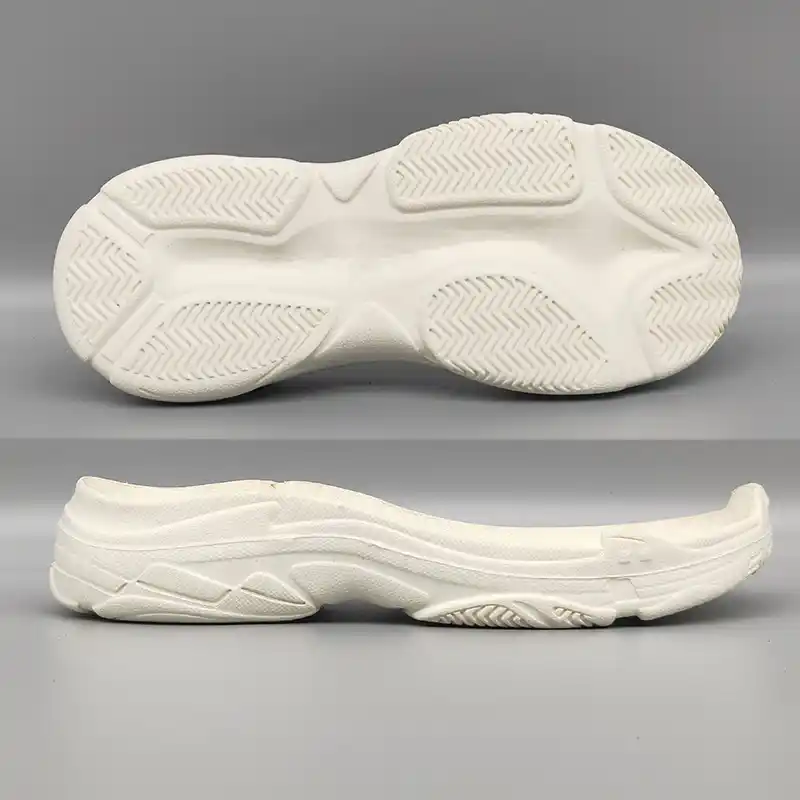
What Is EVA Foam Shoe Sole Material?
EVA (Ethylene Vinyl Acetate) is a closed-cell foam material widely used in footwear manufacturing. By adjusting the formulation, density, hardness, and rebound characteristics, EVA can be developed for different footwear requirements.
In practical shoe production, EVA is not a one-size-fits-all material. A running shoe, casual sneaker, and industrial work shoe may require completely different EVA specifications depending on their performance goals.
Common applications of EVA shoe sole materials include:
- Sports footwear
- Casual sneakers
- Walking shoes
- Safety shoes and work footwear
- Comfort footwear products
Key Advantages of High Quality EVA Foam Shoe Sole
Lightweight and Cushioning Performance
One of the main reasons footwear manufacturers choose EVA is its lightweight structure. Compared with heavier sole materials, EVA helps reduce shoe weight while maintaining a comfortable cushioning experience.
For sports and lifestyle footwear, lightweight construction has become an important product feature. Properly formulated EVA can help improve shock absorption and reduce impact during walking, running, and daily activities.
Durability and Compression Resistance
The durability of EVA depends greatly on material formulation and production control. High-quality EVA materials are designed to maintain their cushioning properties and structural stability after repeated compression.
For applications such as work shoes and long-wear footwear, manufacturers usually pay close attention to compression resistance, density consistency, and long-term performance.
Flexible Customization for Footwear Development
One of the advantages of EVA is its flexibility in product development. Depending on the footwear design, manufacturers can adjust:
- Density
- Hardness
- Thickness
- Color
- Surface structure
This makes EVA suitable for OEM footwear projects where brands need customized materials for different product lines.
EVA Foam Shoe Sole Applications in Different Footwear Industries
EVA Foam Shoe Sole for Sports Footwear
Sports footwear requires materials that combine cushioning, flexibility, and lightweight performance. EVA is widely selected for running shoes, training shoes, and fitness footwear because it helps improve comfort during movement.
For sports applications, manufacturers usually focus on:
- Shock absorption
- Rebound performance
- Lightweight construction
- Consistent cushioning
EVA Foam Shoe Sole for Casual Footwear
Casual footwear focuses more on daily comfort and flexible wearing experience. EVA shoe sole materials are commonly used in sneakers and lifestyle shoes because they provide a soft feel while supporting modern lightweight designs.
For brands developing comfort-oriented footwear, EVA offers a practical balance between user experience and production efficiency.
EVA Foam Shoe Sole for Industrial and Work Footwear
Industrial footwear has different requirements compared with sports and casual shoes. Workers often wear safety shoes and work boots for extended periods, making support and comfort important factors.
In these applications, suitable EVA materials can help improve:
- Standing comfort
- Shock absorption
- Pressure reduction
- Long-term wearing experience
How to Select the Right EVA Shoe Sole Material
Choosing the correct EVA specification requires understanding how different material characteristics affect footwear performance.
Density Selection
EVA density influences the weight, support, and durability of the final shoe sole.
- Lower density EVA: softer feel and lightweight comfort
- Medium density EVA: balanced cushioning and support
- Higher density EVA: improved stability and durability
Hardness and Rebound Performance
Hardness affects the firmness and wearing feeling of the sole, while rebound performance influences energy return and walking comfort.
Professional footwear manufacturers usually select EVA hardness and rebound characteristics based on the product category and target users rather than using the same specification for every project.
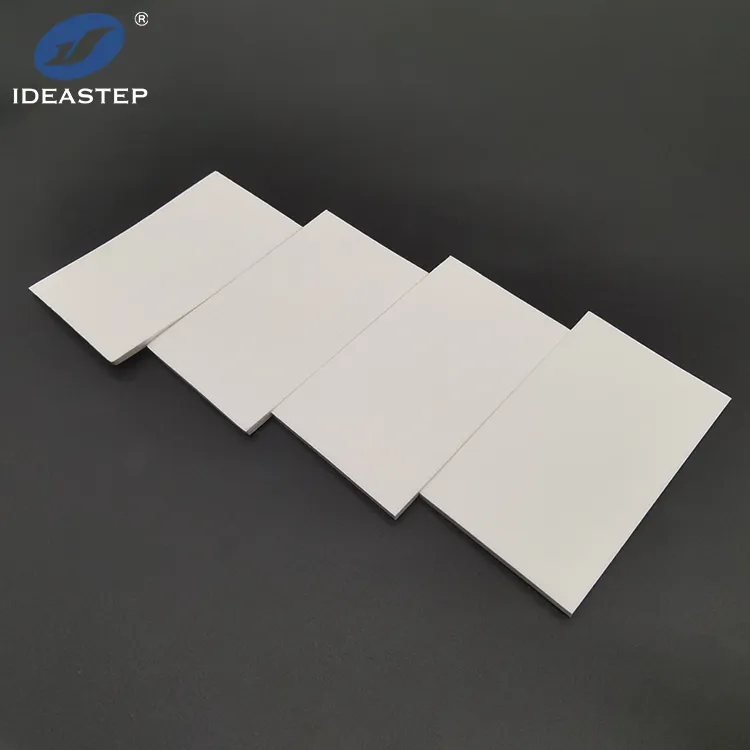
Why EVA Foam Shoe Sole Is Preferred Over Other Sole Materials
| Material | Advantages | Typical Applications |
|---|---|---|
| EVA | Lightweight, cushioning, flexible | Sports shoes, casual footwear, comfort shoes |
| Rubber | Excellent abrasion resistance and grip | Outdoor and protective footwear |
| PU | Durability and structural support | Work shoes and industrial footwear |
The best material depends on the footwear application. Many manufacturers select materials based on the balance between comfort, durability, cost, and production requirements.
Custom EVA Foam Shoe Sole Solutions for OEM Projects
For footwear brands and OEM manufacturers, customized material support is often necessary during product development. An experienced EVA Foam Manufacturer should be able to support projects from material selection to bulk production.
Typical customization services include:
- Customized EVA density and hardness
- Material color development
- Different thickness options
- Sample development support
- Bulk production solutions
Before mass production, professional suppliers usually evaluate material performance and make adjustments to ensure the final product meets design and market requirements.
Quality Control in EVA Foam Production
For footwear manufacturers, consistent material quality is essential. Variations in EVA performance can affect the final shoe structure and user experience.
Reliable EVA manufacturers usually control key factors including:
- Raw material quality
- Density consistency
- Hardness tolerance
- Thickness accuracy
- Batch stability
Strict quality control helps reduce production risks and supports long-term cooperation between suppliers and footwear brands.
Why Work with an Experienced EVA Foam Manufacturer?
Choosing an EVA partner is an important decision for footwear companies. A reliable supplier should provide more than materials; they should offer technical support and manufacturing experience.
A professional EVA foam supplier can help customers with:
- Material recommendations for different footwear applications
- Customized EVA solutions
- Stable bulk production
- Long-term supply support
Conclusion: EVA Foam Shoe Sole Supports Better Footwear Manufacturing
High-quality EVA Foam Shoe Sole materials provide footwear manufacturers with a reliable solution for developing comfortable, durable, and lightweight products.
From sports shoes and casual footwear to industrial applications, EVA continues to play an important role in modern footwear manufacturing.
For brands and manufacturers seeking customized footwear material solutions, partnering with an experienced EVA Foam Supplier can help achieve consistent quality, efficient production, and long-term business growth.
Related Solutions: High Performance EVA Foam Shoe Sole for Comfortable and Durable Footwear Manufacturing.