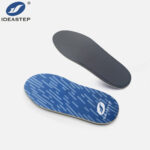
Spending several hours on your feet can place continuous pressure on the heels, arches, and forefoot. For people who work on hard floors or wear the same shoes throughout the day, footwear comfort can make a significant difference.
Do insoles help with standing? In many cases, suitable insoles can improve standing comfort by adding cushioning, helping distribute pressure more evenly, and creating a more supportive environment inside the shoe.
However, the performance of an insole depends on factors such as material, thickness, density, and overall design. Choosing the right type of insole is important for achieving better comfort during long periods of standing.
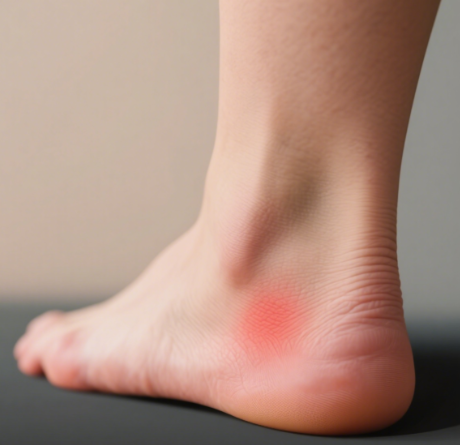
Why Does Standing for Long Hours Cause Foot Discomfort?
Standing is different from walking because the feet experience a more continuous static load. Without regular movement, pressure remains concentrated on certain areas of the foot for extended periods.
Common factors that increase discomfort during long hours of standing include:
- Hard surfaces such as concrete floors
- Shoes with limited cushioning
- Long working hours with little movement
When footwear provides insufficient cushioning or support, the feet may feel tired more quickly throughout the day.
How Do Insoles Help with Standing?
Insoles add an extra layer between the foot and the shoe, helping improve the overall comfort of footwear. A well-designed insole can support the feet through better cushioning, pressure management, and stability.
Improve Cushioning and Shock Absorption
One of the main benefits of insoles is improved cushioning. Materials such as EVA foam, PU foam, and gel are commonly used because they help absorb pressure and provide a softer feel under the foot.
Although standing does not create the same impact as running, the feet still experience repeated loading throughout the day. Proper cushioning can help reduce the feeling of standing directly on hard surfaces.
Distribute Pressure More Evenly
During long periods of standing, some areas of the foot may receive more pressure than others. Insoles can help create a more balanced contact surface between the foot and the shoe.
The thickness, material density, and structure of an insole all influence how pressure is managed during daily use.
Improve Foot Stability
Comfort is not only about softness. A good standing insole should also provide a stable base inside the shoe.
Materials with suitable firmness can help maintain a more consistent foot position and improve overall wearing comfort during extended standing.
What Types of Insoles Are Good for Standing All Day?
The best insoles for standing should provide a balance between cushioning, durability, and support. Different materials offer different performance characteristics.
EVA Foam Insoles
EVA foam insoles are widely used for standing comfort because they are lightweight, flexible, and provide reliable cushioning.
The performance of EVA depends on factors such as density and hardness. Higher-density EVA generally offers better resistance to repeated compression, while softer EVA provides a more cushioned feel.
PU Foam Insoles
PU foam insoles provide a soft feel and durable cushioning performance. They are often used in footwear designed for long periods of daily wear.
Gel Insoles
Gel insoles are commonly used in areas that require additional cushioning, especially the heel and forefoot. They can provide targeted impact absorption and improve overall comfort.
Are Insoles Helpful for Standing on Concrete Floors?
Yes. Concrete, tile, and other hard surfaces provide very little natural cushioning. Standing on these surfaces for many hours can increase the feeling of pressure and fatigue in the feet.
Insoles add another cushioning layer between the foot and the ground, helping make hard surfaces feel more comfortable during extended standing.
This is why insoles are commonly used in work environments such as factories, warehouses, retail stores, and other places where employees spend long hours standing.
Who Can Benefit from Standing Insoles?
Insoles may be useful for people who spend a large part of the day standing, including:
- Retail workers
- Healthcare workers
- Factory and warehouse employees
- Teachers
- Hospitality workers
- People working on concrete floors
For these users, comfortable footwear can help improve the overall experience of long working hours.

What Should You Look for in Standing Insoles?
Balanced Cushioning
A suitable insole should provide enough cushioning without feeling unstable. Extremely soft materials may feel comfortable at first but may not offer enough support for long-term standing.
Durable Materials
Because standing creates continuous pressure, the insole material should maintain its shape and cushioning performance over time.
Proper Thickness
The thickness of an insole should match the available space inside the shoe. A very thick insole may make shoes feel tight, while a thin insole may provide limited cushioning.
How to Extend the Life of Standing Insoles
Proper care can help maintain insole performance and extend service life.
- Keep shoes dry and well ventilated.
- Clean removable insoles regularly.
- Allow shoes to rest between uses.
- Avoid excessive heat exposure.
- Replace insoles when cushioning becomes noticeably compressed.
Frequently Asked Questions
What type of insoles are best for standing all day?
Insoles with balanced cushioning, durability, and support are generally suitable for long periods of standing. Materials such as EVA foam and PU foam are commonly used because they provide comfort without adding excessive weight.
Are soft insoles better for standing?
Not always. A good standing insole needs a balance between softness and stability. Too much softness may reduce support, while insufficient cushioning may reduce comfort.
How long do standing insoles last?
The lifespan depends on material quality, usage frequency, and working conditions. Many everyday insoles typically last around 6 to 12 months with regular use.
Conclusion
Do insoles help with standing? For many people, the answer is yes. Suitable insoles can improve comfort during long periods of standing by adding cushioning, helping distribute pressure, and providing a more supportive surface inside footwear.
The best choice depends on your shoes, working environment, and daily needs. Whether you stand on hard floors, work long shifts, or simply want more comfortable footwear, the right insole can make a noticeable difference.
Related Reading:
Can Insoles Cure Metatarsalgia?
What Is an EVA Foam Insole?