For workers who spend long hours standing on concrete surfaces, footwear comfort depends heavily on the performance of the insole. Unlike softer surfaces, concrete provides very limited natural cushioning, creating continuous pressure on the feet during daily activities.
For footwear brands and work shoe manufacturers, developing reliable insoles for standing all day on concrete requires more than adding a soft cushioning layer. The final performance depends on material properties, structural design, and manufacturing processes.
A well-designed standing insole should provide a balance of:
- Shock absorption
- Pressure distribution
- Arch support
- Energy return
- Long-term durability
Why Concrete Floors Require Specialized Insole Structures
Managing Repeated Pressure During Long Standing Hours
Concrete floors create high loading conditions because they provide minimal impact reduction. During prolonged standing, the feet repeatedly experience pressure in areas such as the heel, forefoot, and arch.
For manufacturers, the challenge is not only improving initial comfort but also maintaining performance after repeated compression.
A suitable standing insole structure should help:
- Reduce concentrated pressure points
- Improve weight distribution
- Maintain cushioning performance over time
- Support natural foot movement
This is especially important for work footwear used in industries such as manufacturing, logistics, healthcare, and construction.
Balancing Cushioning and Stability
When developing shock absorbing insoles, cushioning performance must be balanced with structural support.
Materials that are too soft may provide immediate comfort but lose stability during long-term use. Overly firm materials may reduce cushioning and increase pressure on the feet.
Professional insole development focuses on balancing:
- Softness
- Support
- Elasticity
- Durability
Key Performance Factors of Standing Comfort Insoles
Cushioning Performance
Cushioning is one of the most important characteristics of standing comfort insoles.
High-performance cushioning materials help absorb impact and improve wearing comfort during long working periods.
Common cushioning materials include:
- EVA foam
- PU foam
- Gel cushioning layers
By adjusting material density, hardness, and structure, manufacturers can create different comfort levels for various applications.
Arch Support and Foot Stability
Long periods of standing can increase stress on the foot structure, especially when footwear lacks proper support.
Well-designed arch support insoles help improve:
- Foot stability
- Pressure distribution
- Wearing balance
For professional footwear applications, arch support should be designed according to the target users, footwear structure, and working environment.
Durability and Material Performance
A standing insole must maintain its performance after repeated daily use. Material selection plays an important role in determining product lifespan and comfort consistency.
Compression Resistance
Compression resistance determines how well the insole maintains its thickness and support after continuous pressure.
Good compression resistance helps improve:
- Product lifespan
- Structural stability
- Performance consistency
Rebound Rate
Rebound rate affects energy return and walking comfort. Materials with suitable rebound characteristics can provide a more responsive feel while maintaining long-term cushioning performance.
Materials Used in Standing Comfort Insoles
EVA Foam for Lightweight Cushioning Solutions
EVA foam is one of the most commonly used materials in custom insoles because of its lightweight construction, cushioning ability, and processing flexibility.
Important EVA performance factors include:
EVA Density
Density affects:
- Cushioning level
- Product weight
- Support strength
EVA Hardness
Hardness influences:
- Flexibility
- Stability
- Wearing comfort
EVA Compression Resistance
For standing applications, EVA materials need to maintain their structure after repeated loading to provide consistent support throughout the product lifespan.
PU Foam and Gel Cushioning Layers
PU foam is commonly used when additional softness and cushioning are required.
Its advantages include:
- Comfortable foot feel
- Good shock absorption
- Smooth cushioning response
Gel cushioning components are often placed in high-pressure areas, such as the heel, to improve impact absorption and reduce concentrated pressure.
TPU Reinforcement for Structural Support
TPU components are frequently used in functional insoles where additional stability is required.
Common applications include heel and arch reinforcement.
Benefits include:
- Improved structural support
- Better shape retention
- Enhanced durability
OEM Solutions for Work Footwear Brands
Custom Design and Material Development
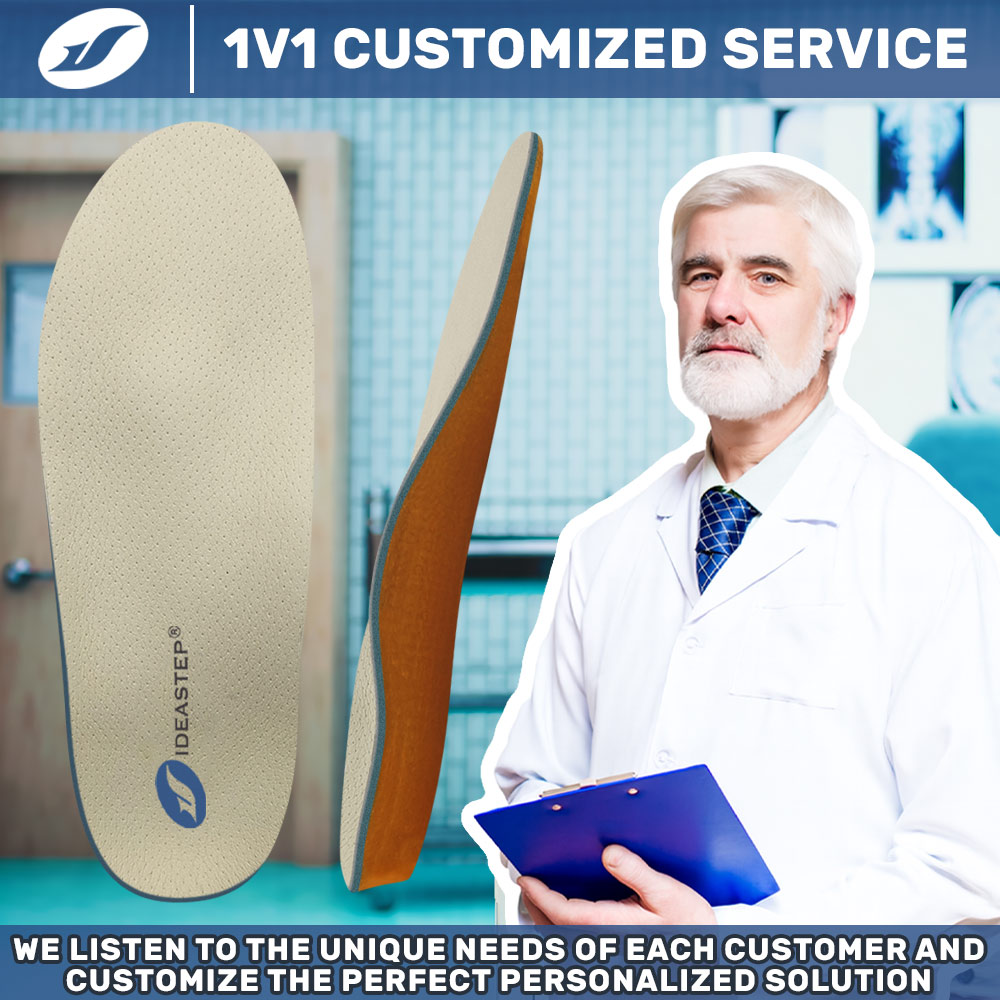
Developing effective standing insoles requires customization based on footwear type, target users, and application requirements.
OEM customization options may include:
- Insole structure
- Material combinations
- Thickness
- Support level
- Surface fabric
- Size range
Private Label Insole Production
Private label manufacturing allows brands to create customized insole products under their own identity.
Common services include:
- Logo customization
- Packaging solutions
- Product labeling
- Specification adjustments
OEM Insole Development Process
Requirement Confirmation
The development process begins with defining:
- Target users
- Footwear application
- Performance requirements
- Material preferences
Sample Development and Approval
Before mass production, samples are developed and evaluated to confirm:
- Product structure
- Material performance
- Comfort level
- Final specifications
Bulk Production and Quality Control
After approval, production moves into the manufacturing stage with quality control procedures covering:
- Raw material inspection
- Production monitoring
- Finished product inspection
- Batch consistency checks
How to Choose an Insole Manufacturing Partner
When selecting a supplier for standing comfort insoles, brands should evaluate:
- Material capability: Understanding of EVA, PU, TPU, and functional materials.
- Customization flexibility: Ability to support OEM and private label projects.
- Production consistency: Stable manufacturing processes and quality control.
- Delivery reliability: Ability to support long-term supply requirements.
FAQ
What are the best materials for insoles used on concrete floors?
Common materials include EVA foam, PU foam, gel cushioning layers, and TPU reinforcement. The best combination depends on the required balance between cushioning, support, and durability.
Can standing insoles be customized for work footwear brands?
Yes. Manufacturers can customize materials, thickness, support structures, sizes, branding, and packaging based on specific requirements.
How can manufacturers improve the durability of standing insoles?
Durability can be improved through proper material selection, compression-resistant foam structures, quality control processes, and performance testing.
What is the difference between cushioning and supportive insoles?
Cushioning insoles focus on impact reduction and comfort, while supportive insoles combine cushioning with structural stability for long-term use.
Related Reading:
Best Insoles for Standing All Day Flat Feet
Best best insoles for standing all day supply for shoes maker