Why Choosing a Reliable Manufacturer Matters?
For shoe wholesalers, health product retailers, and podiatry clinics, finding a reliable orthotic insoles manufacturer is not just about product quality—it directly impacts customer satisfaction and your brand reputation. Low-quality insoles can lead to complaints, high return rates, and even damage your long-term credibility.
A dependable manufacturer provides insoles that are not only comfortable and durable but also support foot health and joints, helping businesses stand out as professional and trustworthy. Studies show that over 70% of business clients prioritize product quality and reliability when choosing an insole supplier, highlighting the importance of selecting a trustworthy manufacturer.
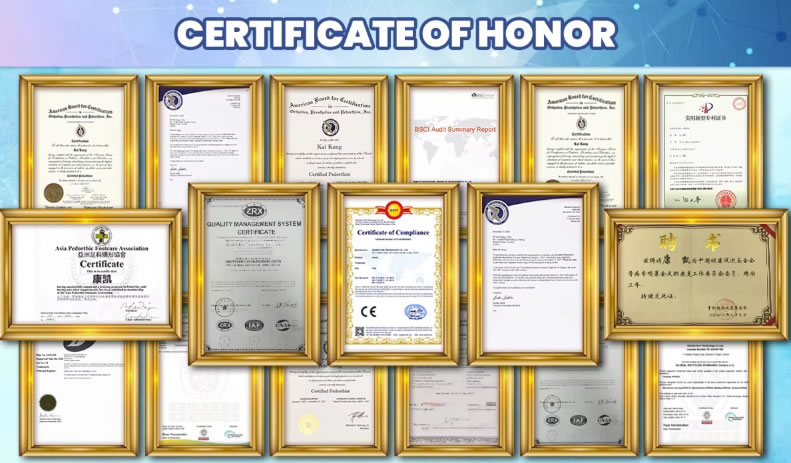
How to Evaluate Manufacturer Credentials and Experience
Company Credentials
A reliable manufacturer usually holds recognized certifications such as ISO, FDA, or CE, and may own patents or intellectual property rights. These credentials not only demonstrate production capabilities but also ensure products meet international standards, giving B2B clients confidence in bulk purchasing.
Manufacturing Experience
Manufacturers with extensive experience are better equipped to maintain consistent quality in large-scale production. Business clients should look at the number of years the manufacturer has been operating and whether they have worked with well-known brands or medical institutions. Experienced suppliers can better meet customization needs and reduce potential risks.
Product Quality and Material Selection
Material Types
The materials used in insoles are critical for comfort, support, and durability. High-quality orthotic insoles typically use:
- Memory Foam: Soft cushioning that absorbs impact
- High-Resilience Polymers: Supports the arch and stabilizes the foot
- Carbon Fiber or Plastic: Reinforces key areas and enhances durability
Business clients should confirm that materials are sourced reliably and comply with international health and safety standards.
Manufacturing Process
Advanced manufacturing processes also play a key role in quality. Technologies such as 3D foot scanning, pressure analysis, and precision molding ensure each insole fits accurately while maintaining consistency across batches. A scientific approach not only improves user experience but also helps businesses reduce after-sales issues.
Customization Capabilities and Service Support
Customization is a major consideration for B2B clients. A quality supplier should offer:
- Bulk customization options, including size, firmness, and branding
- Sample production and small-batch testing to assess product suitability
- Comprehensive pre-sales and after-sales support
For business clients, these capabilities allow flexibility to meet different markets and customer needs, increasing efficiency and competitiveness.
Delivery Capabilities and Logistics
A reliable manufacturer must not only produce high-quality insoles but also provide stable delivery performance. Businesses should consider:
- Production lead times and inventory management
- International shipping experience and logistics channels
- On-time delivery and packaging customization
These factors directly impact supply chain management and customer satisfaction, making them key criteria for evaluating reliability.
Customer Reviews and Case Studies
Authentic customer feedback and success stories are vital for assessing a manufacturer’s credibility. Business clients can learn about production capacity, product quality, and service levels through real cases. Partnerships with well-known brands or medical institutions further increase confidence and reduce procurement risks.
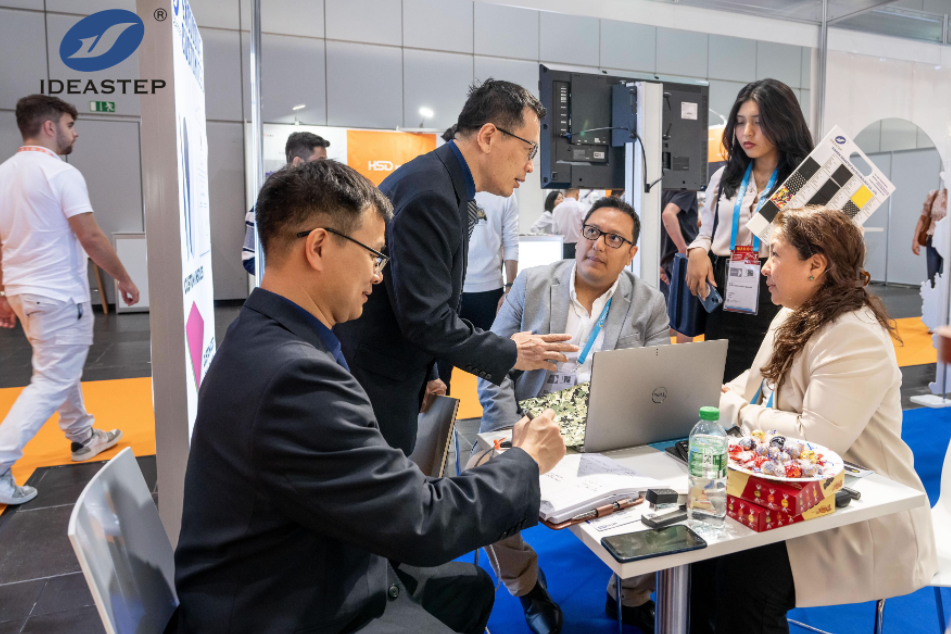
Steps to Choose a Manufacturer
- Define your business needs: Determine product types, wholesale quantities, and customization requirements
- Check supplier credentials and experience: Look at certifications, patents, and case studies
- Evaluate product quality and materials: Focus on comfort, durability, and health benefits
- Assess customization capabilities and services: Bulk customization, sample testing, and after-sales support
- Review delivery capabilities and logistics: Production lead times, inventory, and shipping
- Examine customer reviews and case studies: Reference real-world experience
- Make a well-informed decision: Compare suppliers and choose the most reliable and professional partner
Conclusion and Action Steps
Choosing a reliable orthotic insoles manufacturer is more than a procurement decision—it’s key to protecting your brand image and customer experience. Businesses should prioritize product quality, materials, customization capabilities, service, and delivery reliability.
Want to learn more about wholesale and custom orthotic insoles for your business? Please Contact Us to get professional advice and explore successful case studies.
Partnering with a dependable manufacturer ensures high-quality insoles, enhances market competitiveness, strengthens customer loyalty, and builds a professional brand image.