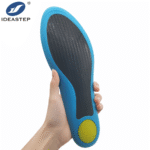
Foam is a broad category of cellular materials, while EVA is one specific type of foam. EVA stands for ethylene-vinyl acetate and is widely used in shoe insoles, midsoles, soles, and cushioning components.
So, “foam vs EVA” is not really a comparison between two separate material categories. The more useful question is how EVA compares with other types of foam, such as PU, PE, or memory foam.
What Is Foam?
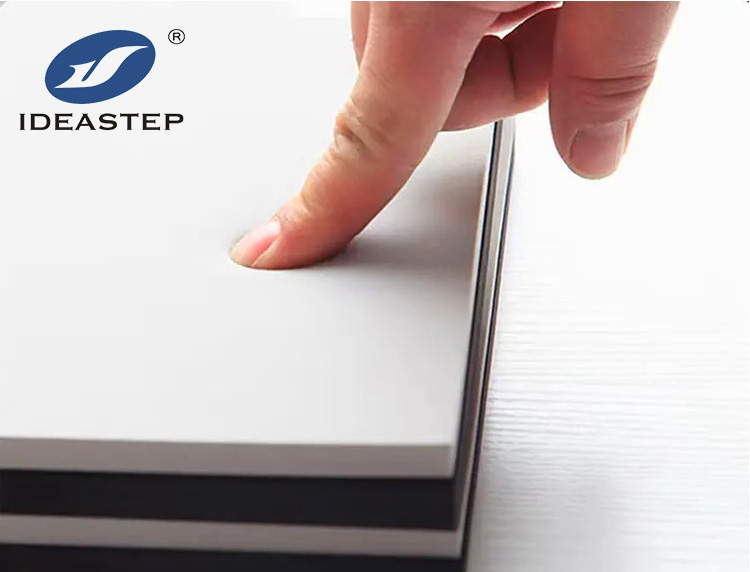
Foam contains many small cells filled with gas. This cellular structure makes foam lightweight and allows it to compress under load.
Foams can be made from different polymers, including EVA, polyurethane (PU), polyethylene (PE), and rubber-based materials. Their properties vary with the polymer, density, cell structure, and manufacturing process.
What Is EVA Foam?
EVA, or ethylene-vinyl acetate, is a polymer commonly processed into closed-cell or microcellular foam. In footwear, EVA is valued for its low weight, flexibility, cushioning, and resilience.
EVA is available in different densities and hardness levels. A softer grade may be used for cushioning, while a firmer grade can provide more structure and support.
Foam vs EVA: What Is the Difference?
| Feature | Foam | EVA Foam |
|---|---|---|
| Definition | A broad category of cellular materials | A specific polymer foam |
| Material Types | EVA, PU, PE, rubber, and others | Ethylene-vinyl acetate |
| Density | Varies by material and formulation | Available in different grades |
| Hardness | Ranges from soft to firm | Can be adjusted for different applications |
| Common Footwear Uses | Insoles, midsoles, padding, and soles | Insoles, midsoles, soles, and cushioning layers |
The key difference is that EVA is a type of foam. When people refer to “foam” in footwear, they may be talking about EVA or another polymer-based foam.
Why Is EVA Used in Insoles?
EVA is common in insoles because its properties can be adjusted to suit different designs.
- Lightweight: Adds cushioning without excessive weight.
- Flexible: Works with the natural flex of many types of footwear.
- Adjustable hardness: Different grades provide different levels of firmness.
- Resilient: Properly formulated EVA can recover after compression.
- Easy to process: Can be molded, cut, shaped, and laminated.
EVA vs Other Foam Materials
PU foam is widely used for cushioning and can offer a different balance of softness and durability from EVA.
PE foam is lightweight and available in a range of densities, making it suitable for applications where low weight and basic cushioning are required.
Memory foam is a viscoelastic foam with slower recovery. It gradually conforms to the foot and is typically used when a softer, more adaptive feel is desired.
How to Choose EVA Foam for Insoles
Material type is only one part of the selection process. Density, hardness, thickness, resilience, and compression behavior all affect how an EVA insole performs.
For example, a soft EVA grade may suit a cushioning layer, while a firmer and denser grade may be better when more support or structural stability is needed.
The specification should match the footwear design and the required balance of cushioning, flexibility, weight, and durability.
Conclusion
Foam is a general category, and EVA is one type of foam. EVA is widely used in footwear because manufacturers can produce different grades with different levels of density, hardness, flexibility, and resilience.
For insoles, the better approach is to compare specific foam materials and grades rather than “foam” and EVA as two separate options.
Related Post:
What Do Carbon Fiber Insoles Do?
What Is EVA Foam Made Of? Composition, Properties, and Applications