Introduction: EVA vs PVC — Why People Mix Them Up
EVA and PVC are both common materials you’ll see in everyday products like shoes, packaging, flooring, and insulation materials. From the outside, some products made with them can even look quite similar.
That’s where the confusion usually starts.
But in terms of material structure and performance, EVA and PVC are actually quite different. They behave differently, feel different, and are used for very different purposes. Once you understand the basics, it becomes much easier to tell them apart.
What Is EVA (Ethylene Vinyl Acetate)?
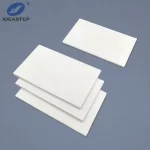
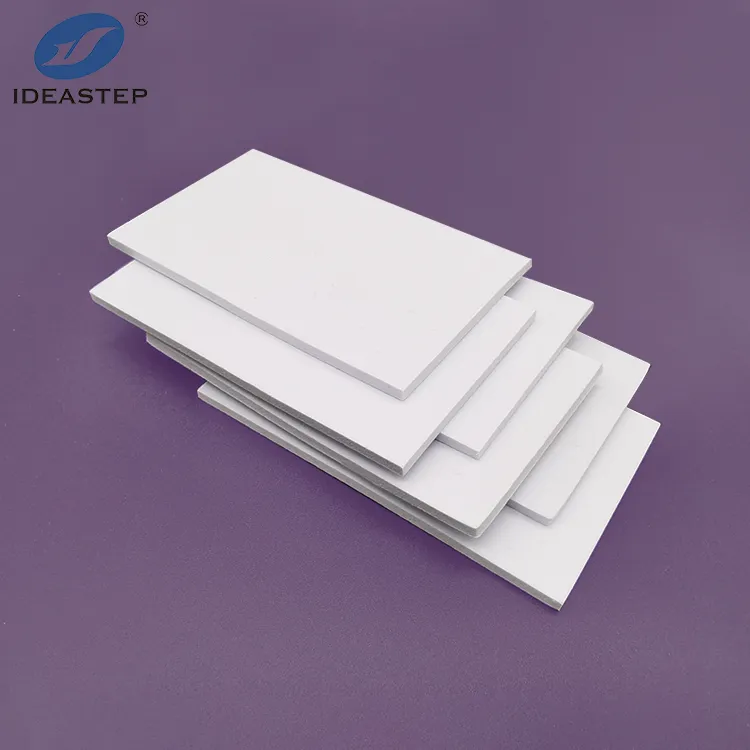
EVA is a lightweight, flexible material made by combining ethylene and vinyl acetate. Think of it as a foam-like plastic that has a bit of rubbery softness to it.
One of the interesting things about EVA is that its feel can be adjusted during production. More vinyl acetate usually means softer and more elastic material.
What EVA Feels Like in Real Use
- Soft and slightly bouncy
- Lightweight, almost “air-filled” in foamed form
- Comfortable under pressure
- Remains flexible even in cold environments
Because of these traits, EVA often shows up in products where comfort matters more than strength.
Where You Usually See EVA
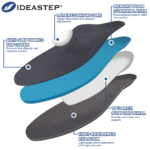
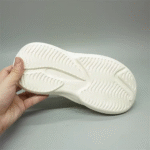
- Shoe midsoles and insoles
- Sports padding and protective gear
- Foam mats and yoga products
- Cushioning in packaging
What Is PVC (Polyvinyl Chloride)?
PVC is a widely used plastic material that can be made either rigid or flexible, depending on what is added during production.
Unlike EVA, PVC doesn’t naturally feel soft or springy. It is more like a structured plastic that can be adjusted for different levels of hardness.
What PVC Feels Like in Real Use
- Firmer and more rigid than EVA
- Can be flexible, but usually less “springy”
- Strong and stable under pressure
- Resistant to many chemicals and oils
This makes PVC more suitable for structural or functional applications rather than comfort-focused ones.
Where You Usually See PVC
- Water pipes and fittings
- Electrical cable insulation
- Artificial leather materials
- Industrial and construction parts
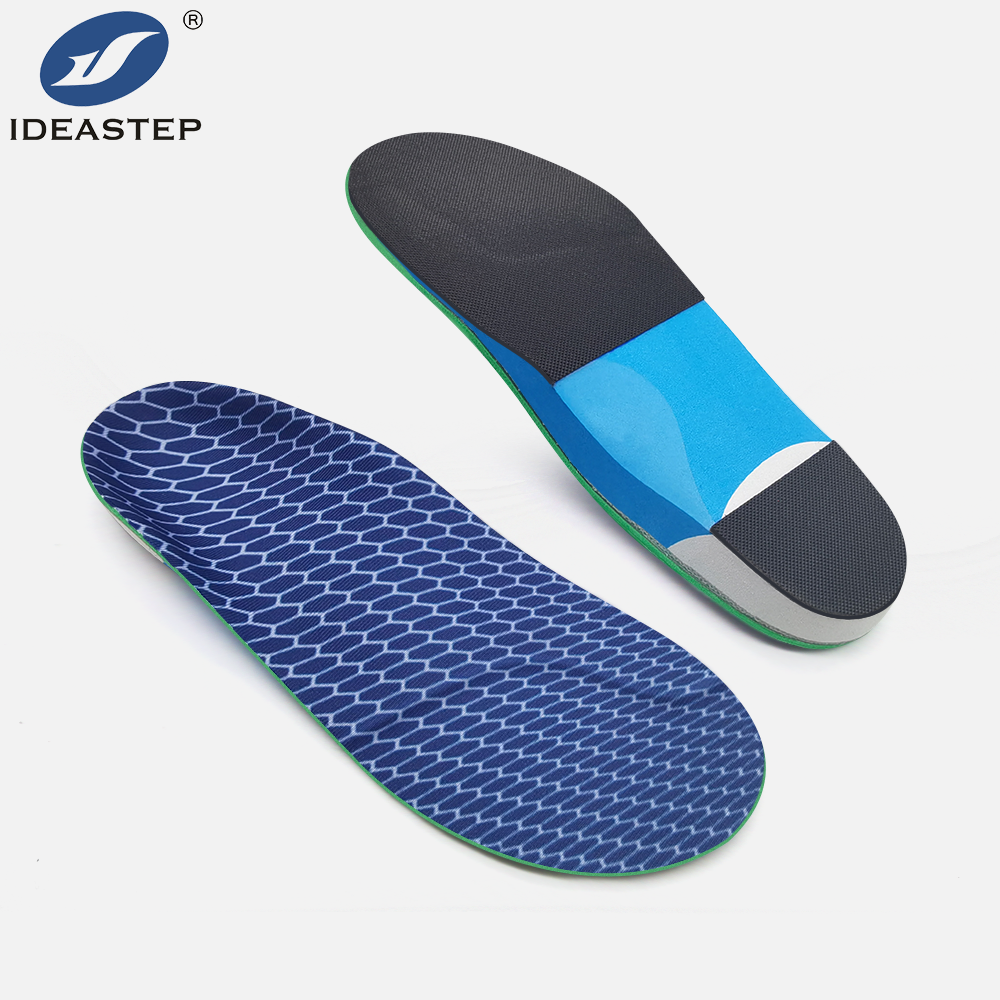
EVA vs PVC: What’s the Real Difference?
1. Comfort and Flexibility
EVA feels soft and cushioned, almost like foam under your feet. PVC can be softened, but it rarely delivers the same comfort or bounce.
2. Weight
EVA is noticeably lighter because of its foamed structure. PVC feels heavier and more solid.
3. Shock Absorption
If you press or step on EVA, it absorbs impact well. PVC doesn’t cushion as effectively and feels more “direct.”
4. Durability and Resistance
PVC handles chemicals, moisture, and environmental exposure better. EVA is durable in daily wear but not designed for harsh chemical environments.
5. Temperature Behavior
EVA stays flexible even in cold weather. PVC can become stiff or brittle unless specially formulated.
6. Environmental Aspect
EVA is generally seen as more flexible in recycling options depending on formulation. PVC contains chlorine and requires more additives, which makes it more controversial in some applications.
7. Cost
PVC is usually cheaper to produce. EVA costs more, but offers better comfort-related performance.
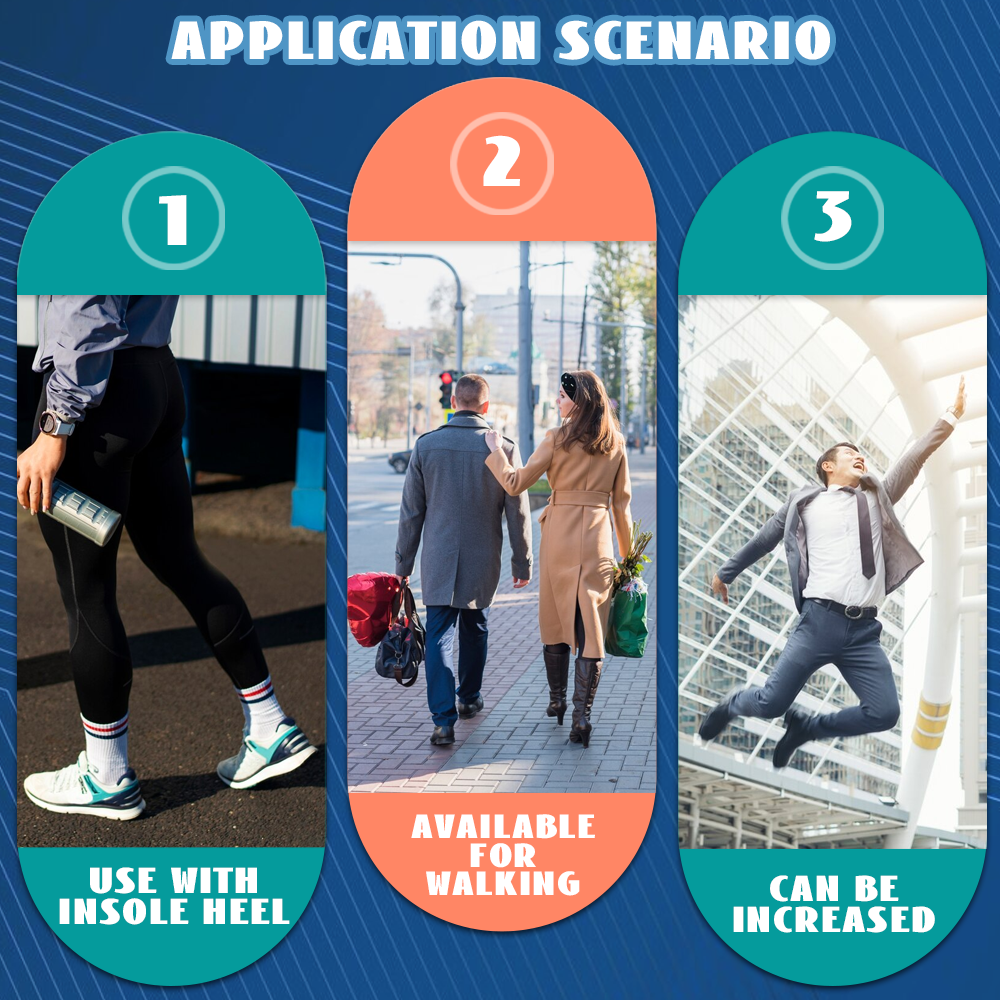
Where Each Material Makes More Sense
Instead of thinking which one is “better,” it’s more accurate to think about what job the material needs to do.
EVA is better when you need softness, comfort, and cushioning. It’s commonly used in products that touch the body or absorb impact.
PVC works better when strength, structure, or chemical resistance is more important than comfort.
Conclusion: EVA and PVC Are Not the Same
Even though they can sometimes appear similar in finished products, EVA and PVC are very different materials.
EVA is light, soft, and cushioning. PVC is stronger, denser, and more structurally stable.
Once you understand how each one behaves, choosing between them becomes much more straightforward—it’s really just about matching the material to the job it needs to do.
FAQ
Are EVA and PVC the same material?
No. They are different polymers with different structures and performance characteristics.
Which one is softer, EVA or PVC?
EVA is much softer and more flexible.
Is EVA a type of plastic?
Yes, but it behaves more like a foam or rubber-like plastic.
Is PVC safe for general use?
PVC is widely used, but safety depends on the formulation and application.
Why is EVA commonly used in footwear?
Because it provides better cushioning, comfort, and shock absorption compared to PVC.