Off‑the‑shelf insoles rarely match unique foot anatomy, often resulting in poor support, rubbing and limited relief. Custom moldable insoles solve this gap using thermoformable material that shapes directly to a user’s foot after heat treatment. They serve orthotic rehabilitation, everyday wear and athletic use cases.
For orthotic clinics, footwear brands and foot‑care wholesalers, custom moldable insoles represent a strong high‑margin product line. Performance varies widely across manufacturers, especially around molding behaviour and long‑term shape hold. This guide outlines practical sourcing criteria to help B2B buyers select reliable custom moldable insoles for bulk orders.
How Custom Moldable Insoles Differ From Standard Insoles
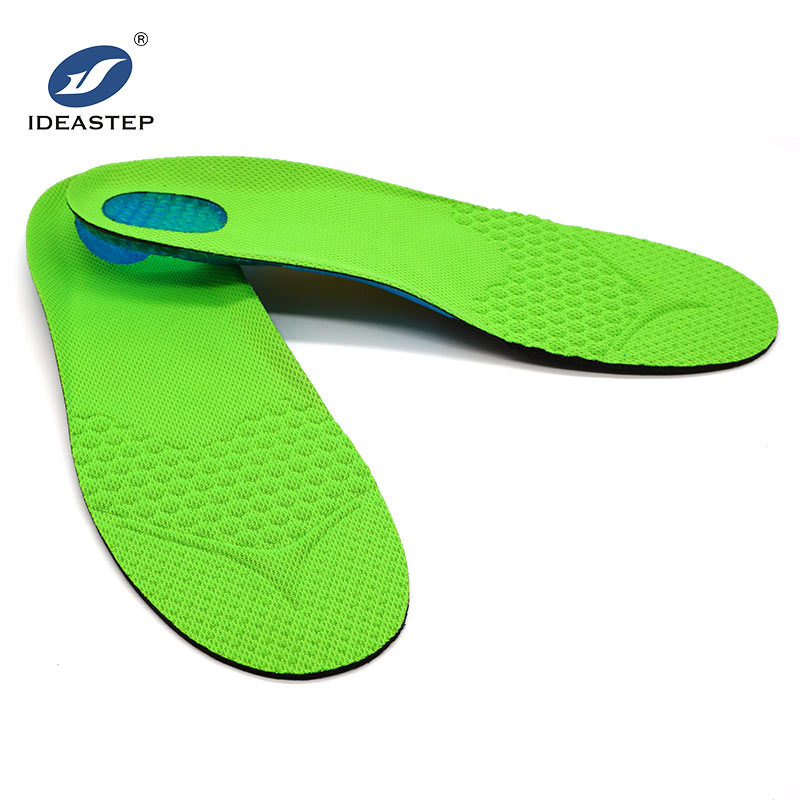
Regular insoles come in fixed shapes, with limited ability to address flat feet, high arches or overpronation. Custom moldable insoles soften under heat, conform to individual foot contours and lock that shape once cooled. This removes pressure points and delivers personalised gait support.
The fit advantage makes them popular in clinical settings and with active consumers, helping wholesale partners stand out in competitive foot‑care markets.
Core Sourcing Criteria For Bulk Orders
1. Thermoformable Material Performance
Material defines how custom moldable insoles perform. Quality thermoplastic polymers or modified EVA soften evenly within a defined temperature range, without localized melting. Once cooled, the insole holds its molded contour and resists spring‑back under repeated load.
Lower‑grade materials fail here: they may not form properly, or gradually revert toward their original shape after short use. Always review real‑world shaping performance instead of relying only on datasheets.
2. Practical Molding Temperature And Workflow
Most end‑users lack professional lab equipment. Good custom moldable insoles activate with basic heat sources such as hot water or a standard hair dryer. The process should be quick and straightforward for retail customers or clinic staff.
Over‑sensitive or narrow temperature windows drive up support queries and create poor user experiences for your customers.
3. Long‑Term Shape Retention
The main selling point of custom moldable insoles is sustained custom contour. Qualified units keep their molded form through months of walking and standing. Poor versions slowly flatten or deform under body weight, erasing correction benefits and generating negative feedback.
4. Surface Layer Comfort And Durability
A thermoformable core must pair with a wearable top layer. Look for sweat‑wicking, friction‑resistant fabric or foam that reduces blister risk for all‑day wear. Clean seam‑free finishes minimise irritation points.
Surface wear and peeling are common return triggers for wholesale stock, so sample testing should include abrasion checks.
5. Material Safety And Market Compliance
Many custom moldable insoles sell into orthotic and rehabilitation channels. Hypoallergenic, skin‑safe raw materials are essential. Confirm suppliers hold documentation matching EU and North‑American retail requirements to avoid customs or marketplace barriers.
6. Cross‑Batch Consistency
For wholesale, batch‑to‑batch uniformity matters. Confirm hardness, thickness, molding range and shaping results stay consistent across production runs. Inconsistent output creates unpredictable end‑user experiences for your brand.
Target B2B Use Cases
- Orthotic and rehabilitation clinics: personalised support for plantar fasciitis, flat feet and gait issues
- Premium footwear brands: value‑add insoles bundled with shoe collections
- Foot‑care wholesale distributors: stocking rehabilitation‑grade foot‑care product lines
- Sports supply retailers: custom fit insoles for training and activity‑related foot fatigue
OEM And Private‑Label Options
Trusted manufacturers support flexible customisation for custom moldable insoles. Buyers can adjust core hardness, overall thickness and top‑cover fabrics to fit target markets. Branded printing and custom retail packaging help build premium private‑label ranges. Complete sample evaluation before committing to large‑volume production.
Common Sourcing Mistakes To Avoid
- Prioritising low cost over shape retention performance
- Ignoring how simple or complex the molding process is for end‑users
- Overlooking batch consistency across production lots
- Skipping compliance verification for target export markets
Conclusion
Custom moldable insoles offer solid commercial potential for B2B partners, but success hinges on material behaviour, usable molding workflow, long‑term shape hold and reliable batch quality. Hands‑on sample testing reduces after‑sales risk and protects your brand reputation.
We supply qualified custom moldable insoles alongside flexible OEM services for global wholesale clients. Contact our team for product samples and custom bulk quotations.
Related Articles:
Custom Moldable Insoles Manufacturer for OEM and Wholesale Orthotic Solutions
Custom Moldable Insoles Designed Around Individual Foot Structure and Pressure Points