Neither gel nor memory foam is universally better for shoe inserts. Gel has an elastic, responsive feel and works well for targeted cushioning, while memory foam uses a slow-recovery structure that conforms more closely to the foot. The better choice depends on the footwear, intended use, and desired underfoot feel.
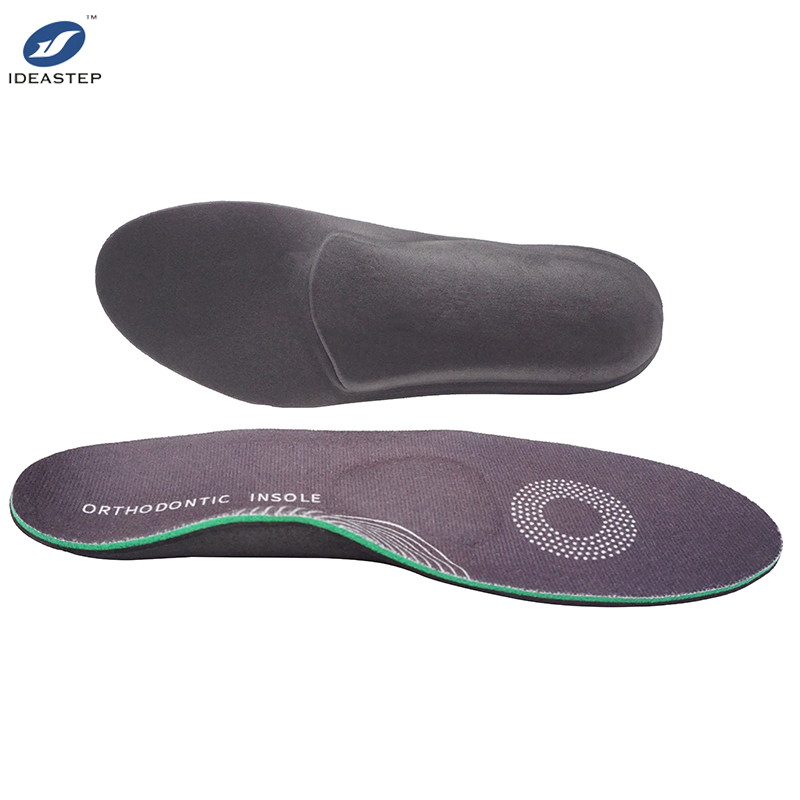
Gel vs Memory Foam: What’s the Difference?
The main difference is how each material responds to pressure.
Gel deforms under load and quickly returns toward its original shape after pressure is released. Manufacturers can also place gel in specific areas, such as the heel or forefoot, to concentrate cushioning where it is needed.
Memory foam is a viscoelastic foam with slower recovery. It gradually conforms to the contours of the foot under pressure, creating a softer and more adaptive contact surface.
Gel Shoe Inserts
Targeted Cushioning
Gel works well when cushioning needs to be concentrated in specific zones. Heel and forefoot inserts often use gel components to address areas exposed to repeated loading.
Responsive Feel
Unlike slow-recovery foam, gel has a more elastic response. This gives the insert a responsive underfoot feel during walking and other activities.
The performance of a gel insert depends on the gel formulation, thickness, shape, and placement within the overall construction.
Memory Foam Shoe Inserts
Soft, Conforming Feel
Memory foam gradually compresses under body weight and follows the contours of the foot. This creates a softer contact surface and is often preferred in comfort-focused footwear.
Pressure Distribution
As memory foam compresses, the contact area between the foot and insert can increase. This allows the material to adapt to the foot rather than relying on cushioning in one specific location.
Its slow recovery characteristics make memory foam suitable for casual shoes, walking footwear, and other applications where a soft underfoot feel is important.
Gel vs Memory Foam: Key Differences
| Feature | Gel | Memory Foam |
|---|---|---|
| Material Response | Elastic and responsive | Slow recovery and adaptive |
| Underfoot Feel | Cushioned and responsive | Soft and conforming |
| Cushioning Approach | Well suited to targeted zones | Adapts across broader contact areas |
| Main Advantage | Targeted cushioning and impact management | Softness and pressure adaptation |
| Typical Applications | Work shoes, sports footwear, and impact-focused designs | Casual shoes, walking footwear, and comfort-focused designs |
| Structural Support | Requires additional support materials | Requires additional support materials |
Which Is Better for Standing or Walking?
For standing, both materials can work, but they create different sensations. Gel is useful when cushioning is needed under specific high-load areas, while memory foam provides a softer and more evenly conforming contact surface.
For walking, gel generally offers a more responsive feel, while memory foam provides softer cushioning that adapts gradually to the foot.
For demanding footwear, the cushioning material is only one part of the design. Foam density, thickness, flexibility, layer placement, and structural support can all affect the final performance of the insert.
Can Gel and Memory Foam Be Used Together?
Yes. Gel and memory foam can be combined in the same shoe insert.
A common approach is to use memory foam across the main footbed and add a gel component under the heel or forefoot. The memory foam creates a soft contact surface, while the gel provides more concentrated cushioning in selected areas.
EVA, TPU, or other structural layers can also be incorporated when the insert requires greater stability. The final performance depends on the combination of materials, thickness, density, and layer placement.
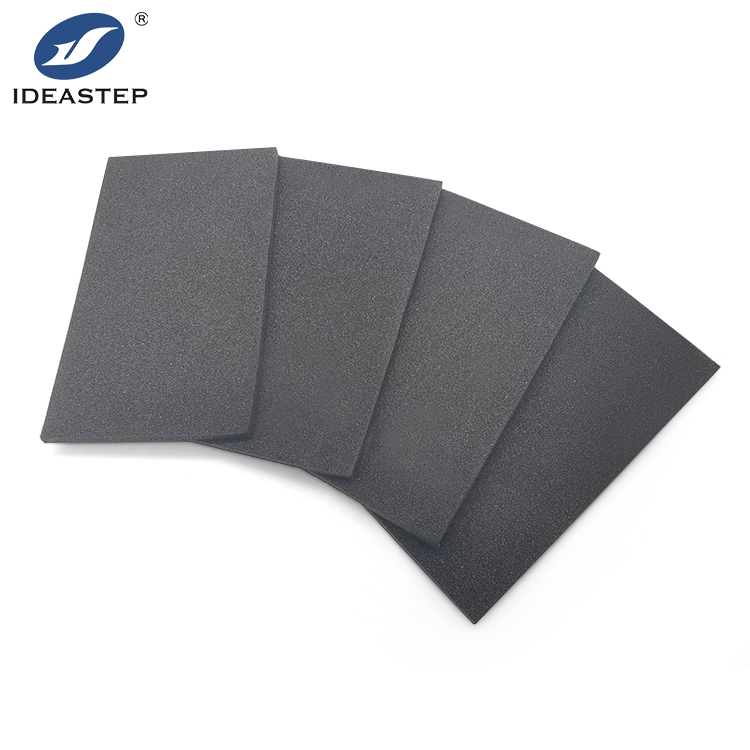
How to Choose the Right Material
- Choose gel when targeted cushioning and a responsive feel are the main priorities.
- Choose memory foam when softness and a conforming underfoot feel are more important.
- Combine both materials when the design requires different cushioning characteristics in different areas.
- Add a support layer when cushioning alone does not provide enough structural stability.
Are Gel or Memory Foam Inserts Better?
The right choice depends on the application rather than the material alone. Gel suits inserts that need responsive, targeted cushioning, while memory foam works well when a softer and more adaptive feel is preferred.
For many shoe insert designs, combining cushioning materials with a suitable support structure can provide a better balance between comfort, flexibility, and stability.
Conclusion
Gel and memory foam serve different purposes in shoe inserts. Gel offers targeted cushioning and a more responsive response, while memory foam provides softer, slower-recovery cushioning that conforms to the foot.
Instead of asking which material is better overall, consider the footwear, usage conditions, and required balance between cushioning and support. In many applications, the overall construction matters just as much as the cushioning material itself.
Related Reading:
Low MOQ Orthopaedic Insoles: Why Wholesale Buyers Prefer Custom OEM Suppliers
Why Source Directly From a Specialised High Arch Insoles Manufacturer for Your Orthotic Line