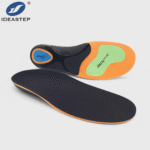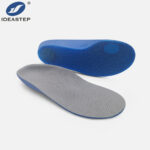
Introduction: The Role of EVA Footbeds in Modern Footwear Development
In modern footwear development, performance is no longer determined by outsole design alone. In many OEM and ODM programs, the insole system has become a critical factor influencing comfort feedback, long-term wearability, and overall product competitiveness.
Among different insole materials, EVA (Ethylene Vinyl Acetate) remains one of the most widely used solutions in both sports shoes and work boots. Its balance of weight, cushioning behavior, and manufacturing stability makes it a practical choice for large-scale footwear production.
For B2B buyers, EVA footbed insoles are not only a comfort component, but also a material that directly affects production efficiency, cost control, and end-user satisfaction.
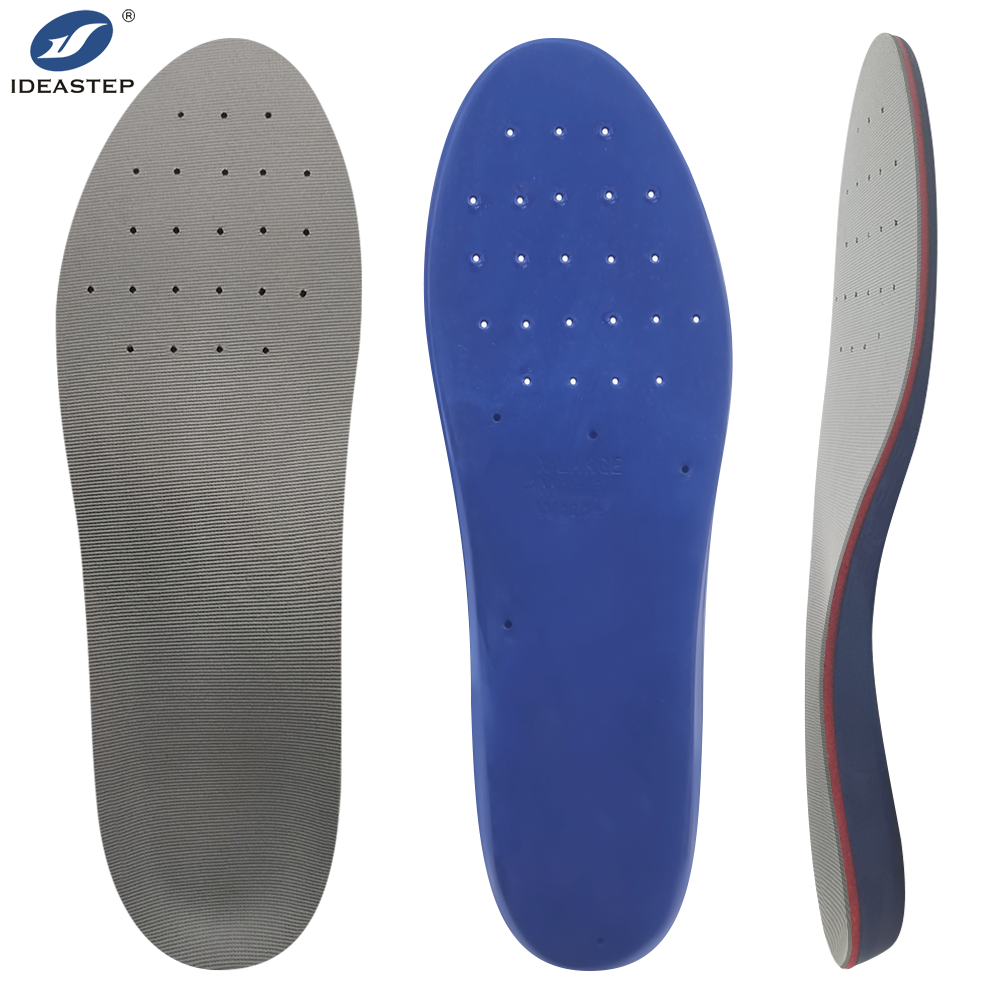
EVA Material Characteristics in Footwear Applications
Lightweight Structure That Reduces Long-Term Fatigue
Compared with PU or rubber-based midsole materials, EVA provides a noticeably lower material density. In real footwear applications—especially work boots and training shoes—this weight difference becomes more significant during long hours of wear.
From a usage perspective, lighter footwear reduces cumulative fatigue, particularly in industries where users stand or walk continuously throughout the day. This is one of the key reasons EVA remains a standard material in performance insole systems.
Controlled Shock Absorption Based on Density Design
The shock absorption performance of EVA is closely related to its density formulation and compression behavior. In most sports and industrial footwear applications, EVA is engineered within a specific density range to balance cushioning and structural support.
During heel strike, EVA does not collapse instantly. Instead, it compresses progressively, helping reduce peak impact forces transmitted through the heel and lower limb. This controlled deformation is what makes EVA suitable for both athletic and industrial environments.
Energy Return and Movement Efficiency
EVA does not generate energy on its own, but it improves how energy is managed during movement. A properly designed EVA footbed stabilizes the foot during landing and reduces unnecessary energy loss caused by unstable or overly soft cushioning layers.
In sports applications, this translates into smoother transitions during running, jumping, and directional changes. While the effect is subtle, it becomes more noticeable in high-repetition movement scenarios such as training or competitive sports.
Closed-Cell Structure for Long-Term Stability
EVA’s closed-cell structure provides strong resistance to moisture absorption and structural degradation. Unlike open-cell foams, EVA maintains its form under repeated compression cycles, which is essential for footwear that must perform consistently over time.
This stability is particularly important in OEM production, where consistency across large batches directly impacts brand reliability and product returns.
EVA Footbed Insoles in Sports Footwear Applications
Improved Movement Stability in Dynamic Activities
In sports footwear, EVA footbeds contribute to better foot stability during dynamic movement. When combined with structured arch support designs, EVA helps maintain more controlled foot positioning during landing and directional changes.
This reduces excessive inward or outward rolling of the foot, which is often associated with inefficient movement patterns.
Impact Management During Repetitive Training
Sports such as running, basketball, and gym training involve continuous impact cycles. EVA helps distribute these forces more evenly across the plantar surface, reducing localized pressure accumulation in the heel and forefoot areas.
Over time, this contributes to more comfortable training sessions and reduced strain during high-frequency use.
Support for Injury Prevention Strategies
While EVA insoles are not medical devices, their cushioning and stability characteristics can help reduce mechanical stress linked to common overuse injuries such as heel pain or shin discomfort.
For footwear brands, this functional positioning is increasingly important in performance-oriented product lines.
EVA Footbeds in Work Boots and Industrial Footwear
Designed for Long Working Hours and High Load Conditions
In industrial environments such as logistics, construction, and manufacturing, footwear is exposed to extended standing and repetitive walking.
EVA footbeds help manage plantar pressure distribution during long shifts, reducing localized fatigue in the heel and forefoot. This directly influences user comfort and sustained productivity.
Comfort as a Productivity Factor
In work footwear programs, comfort is not just a user experience factor—it directly impacts operational efficiency. Reduced foot fatigue allows workers to maintain consistent performance levels throughout the day with fewer interruptions caused by discomfort.
For employers and procurement teams, this makes insole performance part of overall productivity optimization.
Long-Term Compression Resistance in Daily Use
One of the key concerns in work boot development is midsole collapse over time. EVA formulations designed for industrial footwear typically focus on maintaining compression resistance across extended usage cycles.
This ensures that cushioning performance remains relatively stable even after prolonged daily use, which is critical for B2B work boot programs.
EVA vs Other Insole Materials: A B2B Decision Perspective
EVA vs PU (Polyurethane)
When comparing EVA with PU, the decision is often based on production scale and weight requirements. EVA is lighter and easier to mold consistently in high-volume manufacturing, while PU provides higher density but may feel heavier in long-term use.
For large-scale OEM programs, EVA is often preferred due to its cost efficiency and stable production behavior.
EVA vs Memory Foam
Memory foam is designed primarily for softness and contour adaptation, but it lacks structural rebound and long-term support stability. EVA, on the other hand, provides more consistent shape retention and better performance in dynamic environments such as sports and work footwear.
EVA vs Rubber-Based Insoles
Rubber materials offer durability, but they are significantly heavier and less flexible in molding applications. EVA provides a better balance between cushioning performance and weight reduction, making it more suitable for modern performance footwear systems.
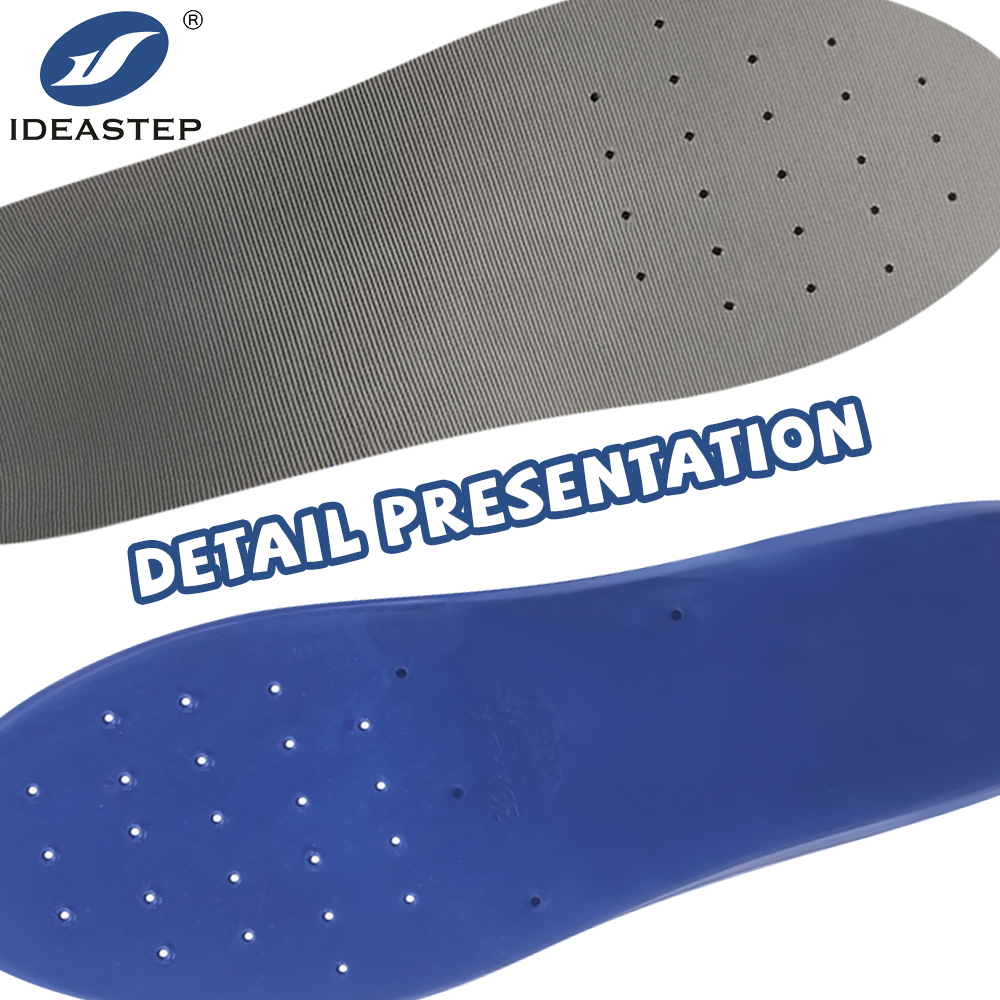
Why EVA Footbed Insoles Remain a Preferred Choice for OEM/ODM Buyers
High Flexibility in Custom Development
EVA is highly adaptable in terms of density adjustment, hardness control, thickness variation, and multi-layer structural design. This makes it suitable for brand-specific product development across different footwear categories.
Stable Mass Production and Cost Efficiency
For manufacturers and distributors, EVA offers predictable molding performance and consistent output quality. This stability is especially important in large-volume production where batch consistency directly affects brand reputation.
In addition, EVA supports flexible MOQ structures, making it suitable for both development-stage projects and full-scale production.
Wide Application Across Footwear Categories
EVA footbeds are widely used in sports footwear, work boots and safety shoes, outdoor and hiking shoes, and functional and orthopedic footwear.
This cross-category adaptability makes EVA a core material in global footwear supply chains.
How to Select the Right EVA Footbed Solution
Application Environment
High-impact sports require higher rebound EVA formulations, industrial footwear requires higher density and durability-focused EVA, and casual footwear requires balanced cushioning and comfort design.
Structural Engineering Requirements
Key considerations include arch support integration, heel stabilization design, pressure distribution layout, and multi-zone cushioning systems.
Manufacturing and Development Requirements
Buyers should evaluate tooling capability for custom molds, material consistency across production batches, and lead time and scalability considerations.
Working with an experienced OEM/ODM manufacturer is essential to ensure performance consistency and product differentiation.
Conclusion: EVA Footbed Insoles as a Core Performance Material in Footwear Manufacturing
EVA footbed insoles have evolved from simple cushioning components into functional performance systems that influence comfort, stability, and production efficiency.
For footwear brands and OEM manufacturers, EVA offers a practical combination of lightweight structure, controlled shock absorption, stable manufacturing performance, and cost-effective scalability.
As demand for performance-driven footwear continues to grow, EVA remains one of the most reliable and widely adopted materials in global sports and work shoe production.
Related product links: https://www.aideastep.com/product/ideastep-xd-pu-6058-industrial-anti-fatigue-safety-shoe-insoles-wholesale/