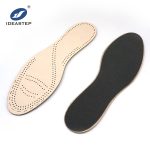
Why Industrial Safety Footwear Needs Professional Work Boot Insoles
Industrial safety footwear protects workers from hazards such as falling objects, punctures, slips, and electrical risks. However, safety alone is no longer enough. Many workers spend 8–12 hours per day standing, walking, or carrying heavy loads. In these conditions, comfort, support, and fatigue reduction are just as important as protection.
High-performance work boot insoles play a crucial role in improving both safety and comfort. For industrial safety footwear manufacturers, selecting the right insole solution can enhance product value, differentiate your brand, and increase user satisfaction.
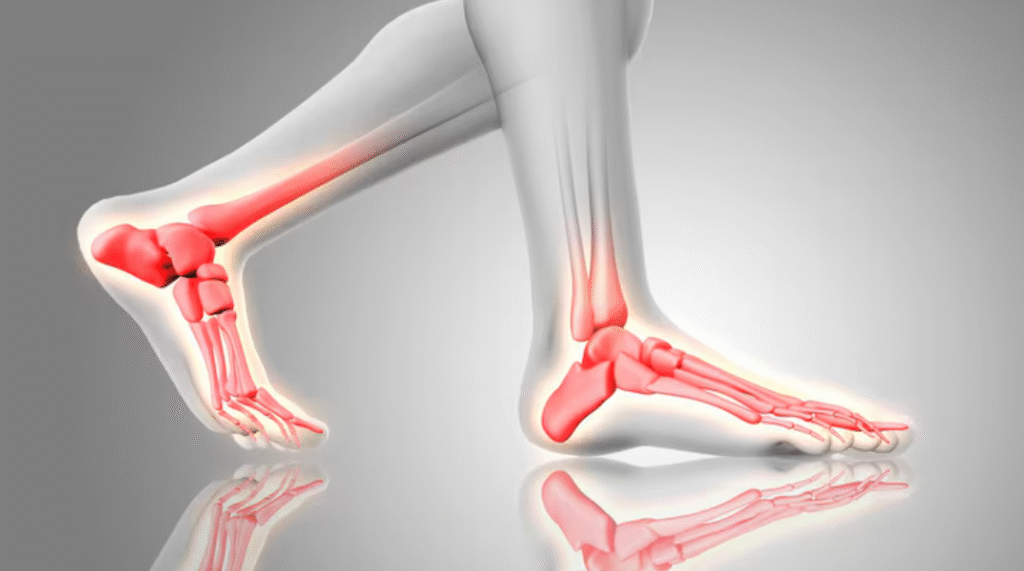
The Challenges of Wearing Safety Boots All Day
Safety boots are heavier and less flexible than casual footwear, due to features like steel toes and puncture-resistant midsoles. This can lead to:
- Foot fatigue and heel pain
- Arch strain and lower back discomfort
- Reduced flexibility and limited airflow
- Excessive moisture and heat inside the boot
Properly engineered industrial safety footwear insoles help reduce these issues by providing cushioning, arch support, and pressure distribution.
Key Performance Features Industrial Footwear Manufacturers Should Look For
Shock Absorption and Cushioning
Workers on construction sites, in warehouses, or in factories experience thousands of foot strikes daily. Insoles that absorb impact can reduce fatigue and improve comfort.
Material options include:
- EVA Foam: Lightweight, cost-effective, easy to mold. Ideal for high-volume OEM projects.
- PU Foam: Superior long-term cushioning, durable, and resistant to compression. Suitable for premium safety boots.
- Ortholite®: Breathable, moisture-wicking, antimicrobial, and highly resilient. Excellent for branded industrial footwear.
- Gel Inserts: Strategically placed in high-pressure zones like the heel and forefoot for extra shock absorption.
Arch Support and Biomechanical Stability
Inadequate arch support can lead to fatigue and discomfort, especially for workers with flat feet or high arches.
A well-designed insole supports:
- Proper foot alignment
- Even weight distribution
- Reduced plantar strain
- Improved stability during long shifts
Tip for manufacturers: Integrating arch support enhances both safety and wearer satisfaction, making your boots more appealing to professionals.
Durability and Compression Resistance
Industrial environments demand long-lasting materials. High-quality work boot insoles should maintain cushioning and structural integrity even after months of heavy use.
Key metrics to consider:
- Compression set
- Rebound retention
- Density consistency
- Structural stability
Durable insoles reduce replacement costs and improve the overall user experience.
Breathability and Moisture Management
Extended wear can lead to moisture build-up, causing discomfort and odor. Effective solutions include:
- Perforated foam structures
- Air channels inside the insole
- Moisture-wicking top fabrics
- Open-cell cushioning materials
These features help keep feet dry and comfortable throughout long shifts.
Antimicrobial and Odor Control
Industrial boots are prone to sweat and heat accumulation. Antimicrobial treatments, silver-ion coatings, and activated carbon layers help control odor and improve hygiene, boosting overall worker satisfaction.
Insole Requirements Across Different Industrial Sectors
Different industries present unique challenges, making tailored solutions essential.
- Construction: Heavy loads and uneven terrain require multi-density cushioning and reinforced heel support.
- Manufacturing: Long periods standing on hard floors benefit from arch support and PU cushioning.
- Warehousing & Logistics: High-frequency walking needs lightweight EVA insoles with energy-return cushioning.
- Oil & Gas: Heavy, protective boots require high-density, multi-layer insoles for stability and comfort.
- Mining & Heavy Industry: Maximum durability and compression resistance, often with TPU support shells and heavy-duty PU foam.
Comparing Common Materials Used in Work Boot Insoles
| Material | Key Advantages | Best Application |
|---|---|---|
| EVA Foam | Lightweight, cost-effective, moldable | OEM/volume production |
| PU Foam | Superior durability, long-term cushioning | Premium safety boots |
| Ortholite® | Breathable, moisture-wicking, antimicrobial | Branded industrial footwear |
| Multi-Density Composite | Functional zoning, targeted support | High-performance occupational boots |
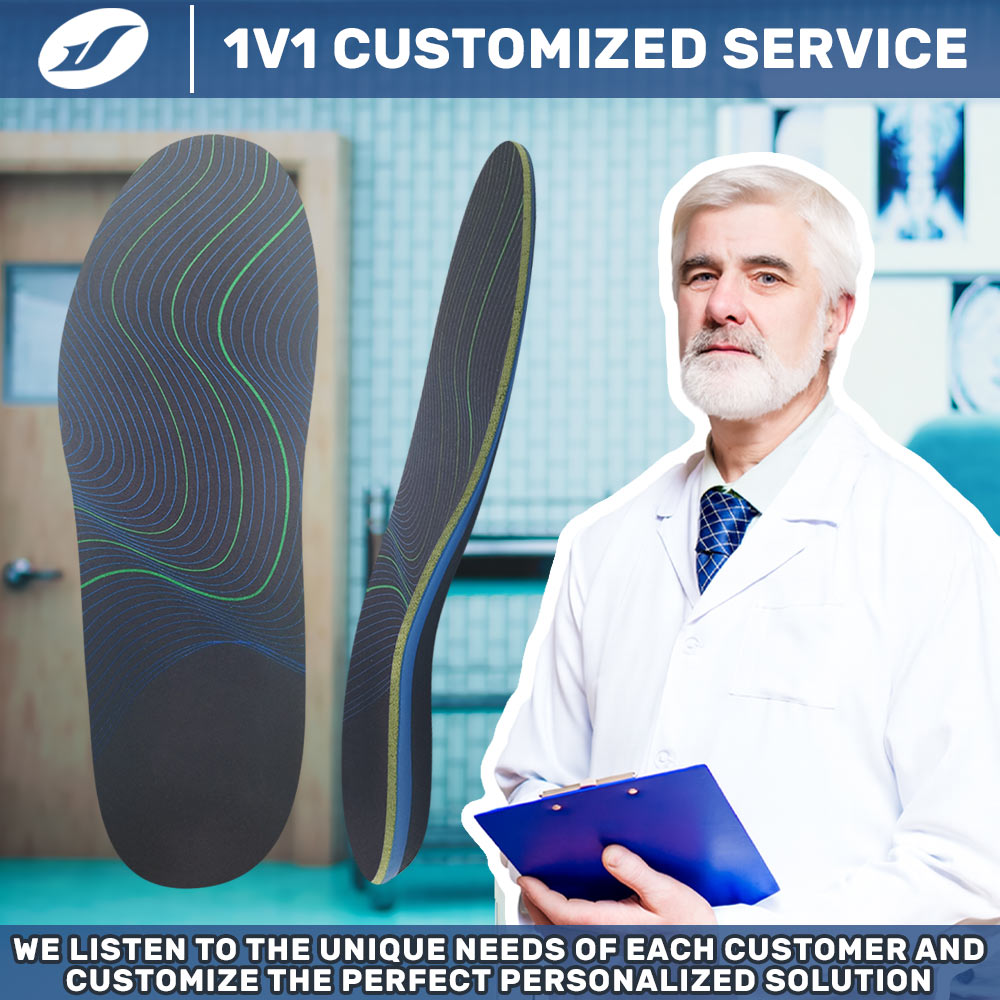
OEM and ODM Work Boot Insole Customization
Experienced suppliers offer full OEM/ODM services, including:
- Branding: Custom logos, colors, packaging
- Functional Design: Arch height, cushioning zones, material combinations
- Size Development: EU, US, UK sizing, and special requests
- Rapid Prototyping and Mass Production: Fast sample production, consistent quality, reliable lead times
These services ensure your industrial boots meet specific worker needs and market demands.
How to Evaluate an Insole Supplier
When selecting a supplier, look for:
- R&D expertise in biomechanics and industrial applications
- Manufacturing capacity with automation and scalable production
- Quality assurance through material testing and traceable production
- International compliance such as ISO 9001, REACH, or RoHS
A reliable partner can help you deliver superior safety boots while reducing risk and improving efficiency.
Emerging Trends in Industrial Safety Insoles
- Advanced ergonomic designs to reduce fatigue
- Lightweight, high-performance materials
- Sustainable, eco-friendly foam options
- Digital foot scanning for custom insole solutions
- Smart insoles with pressure sensors and fatigue monitoring
Staying ahead of these trends can help your brand maintain a competitive edge.
Conclusion
High-quality work boot insoles are now an essential component of industrial safety footwear. They improve comfort, reduce fatigue, and enhance overall performance.
For industrial footwear manufacturers, partnering with an experienced OEM/ODM supplier ensures access to customizable, durable, and ergonomically designed insoles. By selecting the right insole solutions, you can offer safer, more comfortable boots that meet the needs of modern workers.
Ready to enhance your industrial safety footwear? Contact our insole experts today to discuss custom solutions and request samples.