EVA (Ethylene Vinyl Acetate) is one of the most widely used materials in footwear midsoles and insoles. You can find it in running shoes, casual shoes, and a wide range of comfort-focused footwear products.
But many buyers still ask the same question: Is EVA a good sole material? Is it suitable for daily walking, long hours of standing, or running?
This article breaks down EVA from multiple angles—material properties, advantages, limitations, real-world experience, and comparisons with other sole materials—to help you decide whether it is right for you.
1. What Is EVA Sole Material?
EVA stands for Ethylene Vinyl Acetate, a lightweight foamed polymer widely used in shoe midsoles (midsole) and insoles (insole).
Its core characteristics include:
- Lightweight: significantly lighter than rubber soles
- Soft cushioning: provides a comfortable underfoot feel
- Flexibility: compresses and rebounds during walking
- Moldability: can be engineered into different densities and firmness levels
In real use, EVA footwear usually feels noticeably lighter and easier on the feet, especially during long walking sessions.
2. Why Is EVA So Widely Used in Shoes?
EVA has become a mainstream material in the footwear industry for several practical reasons:
2.1 Lightweight advantage
EVA significantly reduces overall shoe weight. For people who walk or stand for long hours, this reduction in weight often translates into less fatigue over time.
2.2 Basic shock absorption
The foamed structure of EVA compresses under pressure, helping absorb impact during walking or light running. On hard surfaces like concrete floors, this cushioning effect becomes more noticeable.
2.3 Cost efficiency
EVA is relatively inexpensive to produce compared to advanced midsole materials, making it widely used in mass-market footwear.
2.4 Design flexibility
Manufacturers can adjust EVA density and hardness to achieve different levels of softness, stability, or responsiveness depending on shoe design requirements.
3. Advantages of EVA Sole Material
3.1 Lightweight comfort
One of EVA’s biggest strengths is its low weight. Shoes made with EVA midsoles feel easy to wear throughout the day without creating noticeable foot fatigue.
3.2 Soft cushioning feel
Compared with rubber or polyurethane (PU), EVA provides a softer, more forgiving underfoot experience. It is particularly suitable for walking and casual running.
3.3 Comfort for long standing
People who work in retail, healthcare, or hospitality often report reduced foot fatigue when wearing EVA-based shoes for extended hours of standing or walking.
3.4 Good value for money
EVA offers a strong balance between comfort and affordability, making it a popular choice for everyday footwear products.
4. Disadvantages of EVA Sole Material
4.1 Limited durability
Over time, EVA tends to compress and lose its original cushioning properties. This is especially noticeable for heavier users or high-frequency wearers.
4.2 Lower abrasion resistance
Compared with rubber soles, EVA wears down faster when exposed to rough or outdoor terrain.
4.3 Heat sensitivity
EVA can degrade under high heat conditions, leading to reduced performance or deformation over time.
5. EVA vs Rubber vs PU Soles
To better understand whether EVA is suitable for you, it helps to compare it with other common sole materials:
| Material | Strengths | Weaknesses | Best Use Cases |
|---|---|---|---|
| EVA | Lightweight, soft, comfortable cushioning | Less durable, lower abrasion resistance | Daily shoes, running shoes, casual footwear |
| Rubber | Durable, slip-resistant, long-lasting | Heavier, less soft | Outdoor shoes, work boots, hiking shoes |
| PU | Stable cushioning, good support | Heavier than EVA, higher cost | Premium footwear, supportive midsoles |
Simple takeaway: EVA prioritizes comfort and lightness, rubber prioritizes durability, and PU focuses on support and stability.
6. Is EVA Good for Running Shoes?
EVA is widely used in running shoes, especially entry-level and daily training models.
From real-world experience:
- It feels lightweight and helps reduce effort during running
- The cushioning is soft and comfortable for short to medium distances
- It reduces impact stress on knees and feet during light training
However, for long-distance or high-performance running, pure EVA midsoles may lack long-term stability. That is why many brands combine EVA with TPU or other support structures to enhance responsiveness and durability.
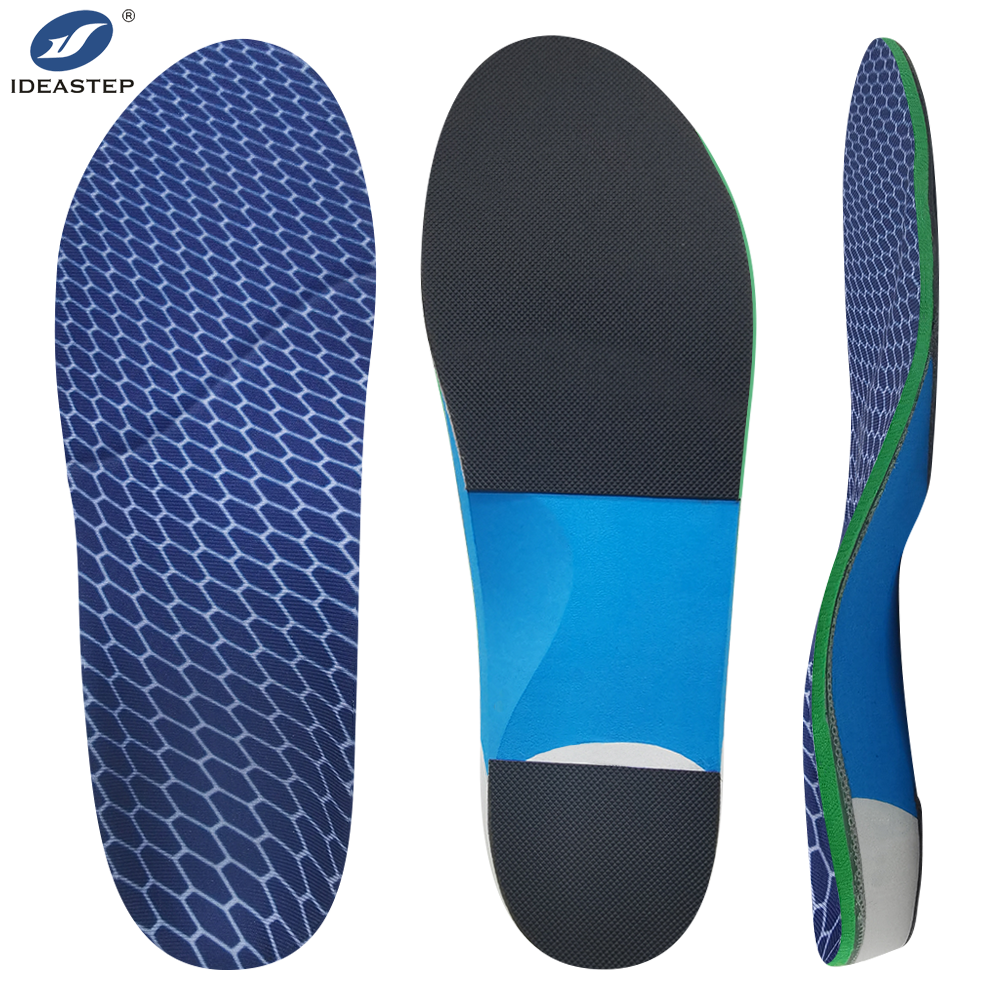
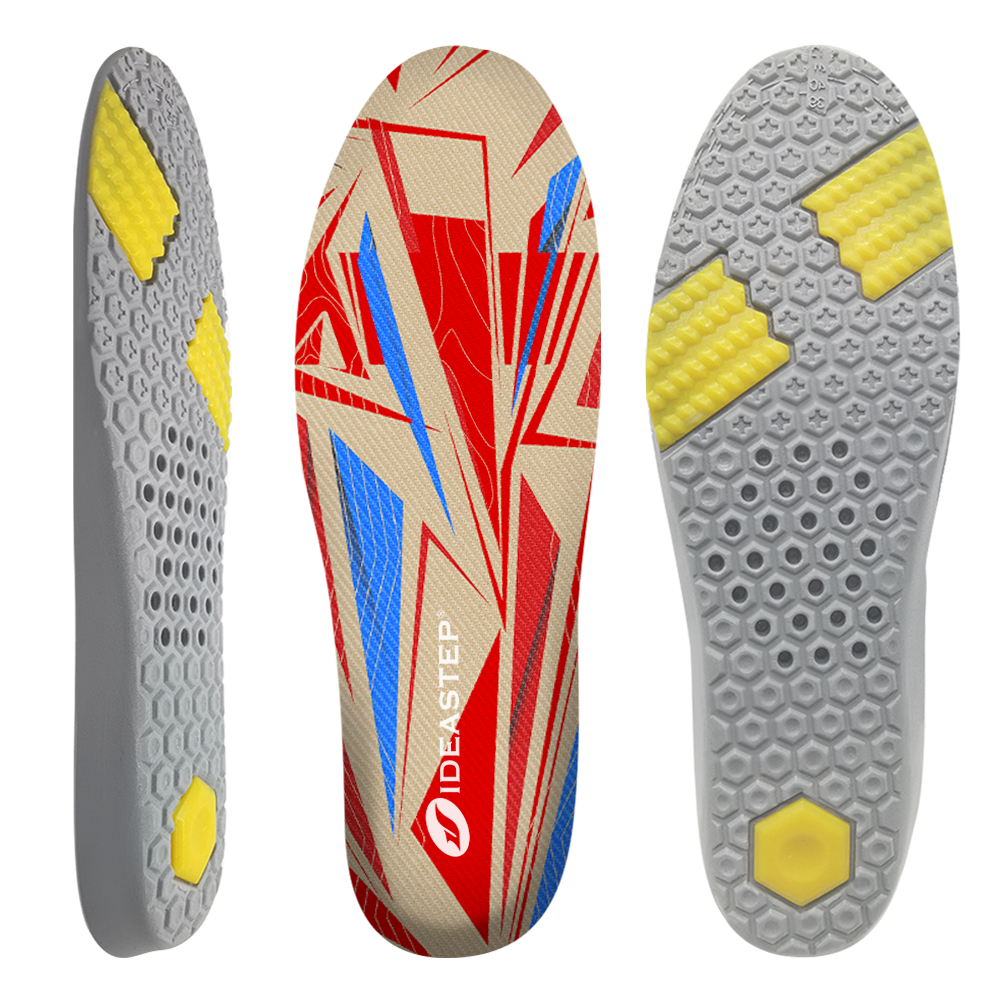
7. Is EVA Good for Insoles?
EVA is also commonly used in shoe insoles due to its soft and lightweight properties.
It is suitable for:
- Daily comfort-focused insoles
- Light cushioning needs
- Casual and lifestyle footwear
However, EVA insoles are generally not designed for structural correction. If arch support or biomechanical alignment is required, firmer materials such as PU or composite orthotic designs are usually more effective.
8. Who Should Choose EVA Sole Shoes?
EVA-based footwear is particularly suitable for:
- Daily commuters who walk frequently
- People who stand for long hours (retail, healthcare, hospitality)
- Light exercise or casual running users
- Budget-conscious buyers seeking comfort
In real-world use, many workers in service industries report that EVA shoes significantly reduce foot fatigue during long shifts.
9. When Is EVA Not a Good Choice?
EVA may not be suitable in the following situations:
- High-intensity hiking or trekking
- Heavy-duty or high-abrasion working environments
- Users who require maximum durability and long-term structural stability
In short, EVA is designed for comfort-oriented use, not extreme performance environments.
10. Conclusion: Is EVA a Good Sole Material?
EVA is best described as a comfort-focused footwear material.
It is:
- Lightweight
- Soft and comfortable
- Cost-effective
However, it also has limitations in durability and abrasion resistance compared to rubber or PU materials.
Final takeaway: EVA is an excellent choice for daily comfort, walking, and light activity. However, for demanding outdoor use or high-performance needs, other materials or hybrid constructions are more suitable.
In essence, EVA is not a “universal best material,” but it is one of the best solutions for balancing comfort, weight, and affordability in everyday footwear.
Related product links: EVA Blocks & Top Covers for CAD/CAM Milling