High-Quality OEM Custom Insoles: What Global B2B Buyers Should Know
As consumer expectations for comfort, athletic performance, and foot health rise, insoles have evolved from simple accessories into essential components that influence overall footwear experience. For brands, orthopedic companies, and sports equipment suppliers, custom insoles enhance product value and differentiate offerings.
Why OEM Custom Insoles Are Increasingly Popular
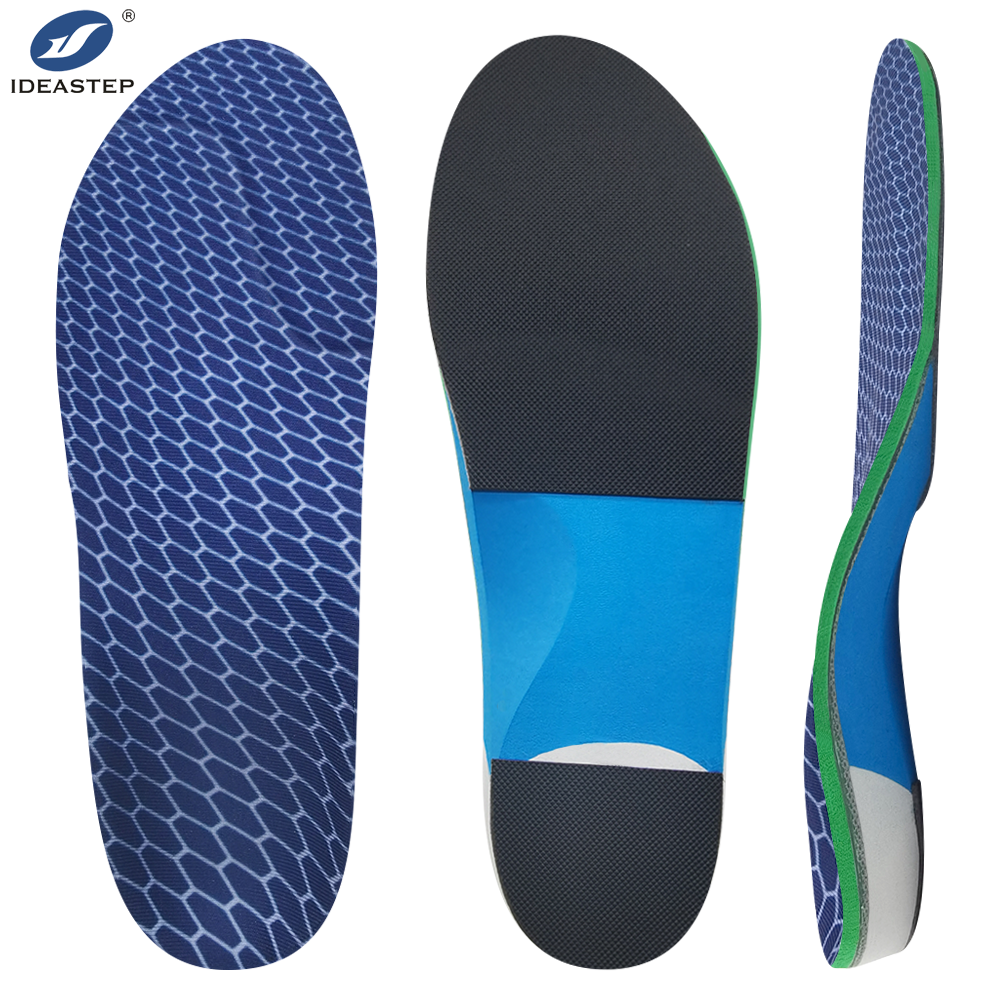
Different consumer groups have specific needs: runners prioritize cushioning, fitness enthusiasts focus on stability, workers want long-term comfort, and medical users require arch support. OEM insoles allow brands to tailor materials and structures to meet these demands, offering advantages such as enhanced brand identity, customer loyalty, reduced price competition, and higher profit margins.
Common Insole Materials
EVA: Lightweight Comfort
EVA is widely used for its lightweight, cushioning, cost-efficiency, and ease of molding. It is common in casual and athletic shoes, though it may compress over time. For high-performance footwear, EVA is often combined with support materials.
PU: Support and Durability
PU offers superior resilience and stability, making it ideal for arch support, orthopedic insoles, work boots, and premium comfort products.
Gel and TPR Materials
Gel and TPR are applied in heel and forefoot areas to absorb shock and distribute pressure, often used in athletic and work insoles.
Market-Specific Requirements
North America
Consumers prioritize cushioning, athletic comfort, and long-term wearability, driving demand for sports and comfort insoles.
Europe
Buyers emphasize sustainable materials, certifications, and ergonomic design. Compliance with regulations is crucial for market entry.
Medical and Rehabilitation
Medical insoles require arch support, pressure distribution, and structural stability, demanding stricter manufacturing standards.
Key OEM Manufacturing Stages
Product Requirement Definition
Clarify intended use, target customers, materials, support requirements, and packaging. Clear definitions improve development efficiency.
Sample Development and Testing
Evaluate comfort, support, durability, and material consistency. Standard insoles take 3–7 days for samples, functional or orthopedic designs 7–15 days.
Mass Production and Quality Control
Consistency is critical. Quality control includes raw material inspections, dimensional checks, hardness tests, bonding strength, and random product inspections to ensure uniform performance.
What Buyers Often Overlook
Supply Chain Stability
Unstable suppliers can cause inventory shortages, delayed shipments, and customer dissatisfaction.
Product Consistency
Some suppliers produce good samples but fail to maintain quality at scale. Evaluate quality management systems carefully.
Export Experience
Experienced manufacturers assist with certifications, packaging compliance, customs, and logistics, reducing operational risks.
Importance of Certifications
Certifications like ISO, SGS, REACH, and RoHS help ensure quality, regulatory compliance, and smooth market entry. REACH compliance ensures EU chemical safety, RoHS limits hazardous substances, and SGS provides independent verification.
FAQ: Common OEM Questions
What Is the Typical MOQ?
Minimum order quantities vary; standard insoles have lower MOQs, while highly customized products require larger volumes.
Can Packaging Be Customized?
Most OEM projects support logo printing, retail packaging, color boxes, hang tags, and private-label solutions.
How Long Does Sampling Take?
Standard samples 3–7 days, complex designs 1–2 weeks.
Can New Products Be Developed Based on Market Demand?
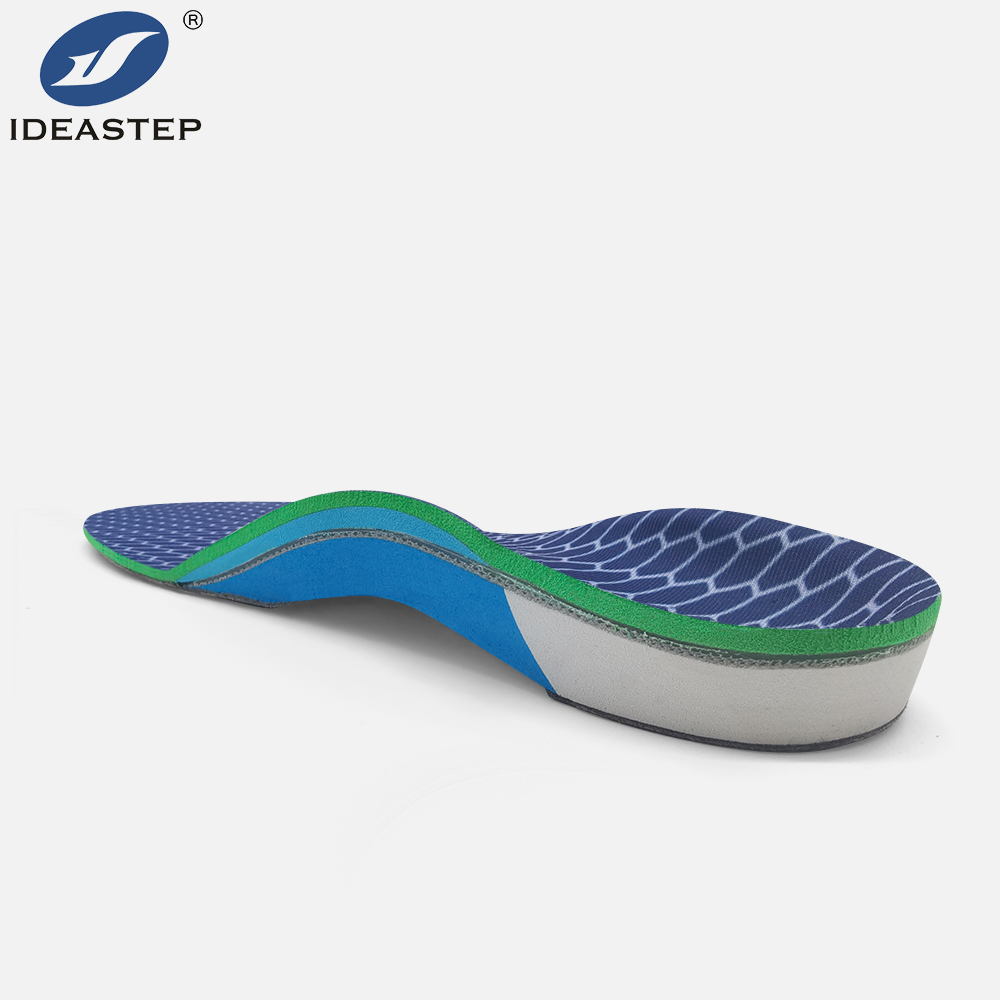
Experienced manufacturers can customize materials, support structures, cushioning systems, surface designs, and branding elements to match market needs.
Conclusion: Choosing a Reliable OEM Partner
For global B2B buyers, selecting an OEM insole supplier is a long-term decision. Suppliers should demonstrate product development capabilities, consistent quality control, stable production, and international experience. Prioritizing these factors over price ensures sustainable success. Partnering with capable manufacturers enables brands to create differentiated products, enhance customer loyalty, and grow in competitive markets.
Related Post:Ideastep Custom orthopedic foot insoles suppliers for Shoemaker