Introduction: Why OEM and ODM Matter in the Orthotics Industry
In the custom orthotics industry, competition is increasing rapidly. Whether in medical channels, sports brands, or cross-border e-commerce, companies inevitably face a key decision: should they choose OEM or ODM manufacturing?
These two models directly determine product development cycles, cost structures, design control, and ultimately market positioning.
In practice, we often see clear strategic differences:
- Some brands focus on highly customized medical-grade orthotics
- Others prioritize fast product launches to capture e-commerce markets
At the core, this difference comes down to OEM vs ODM strategy.
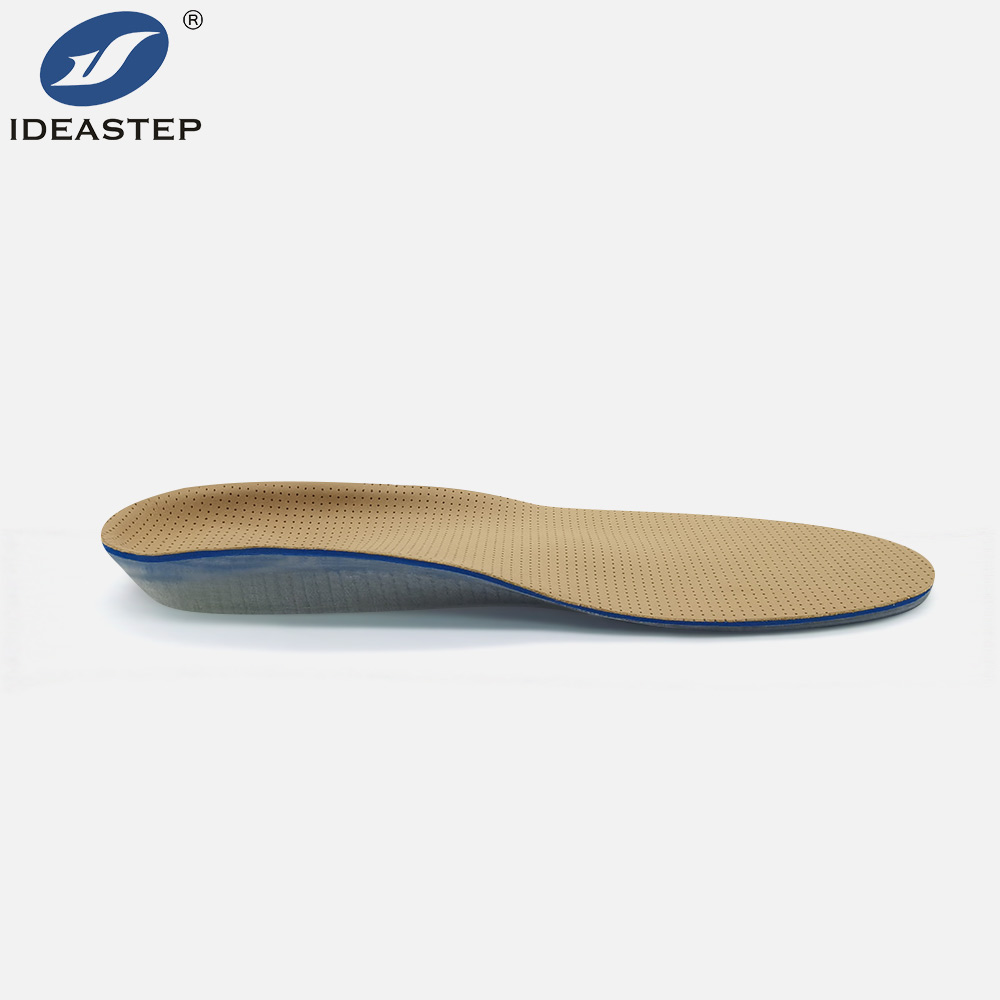
What Are Custom Orthotics?
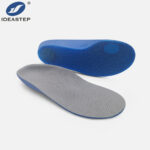
Custom orthotics are functional insole products designed based on foot structure, biomechanics, and usage scenarios. They are primarily used to improve foot loading patterns and correct gait abnormalities.
Common applications include:
- Plantar fasciitis
- Flat feet or high arches
- Overpronation
- Sports injury prevention and recovery
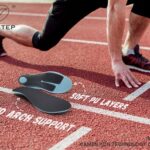
From a structural perspective, key design elements include:
- Arch support structure
- Heel stabilization system
- Pressure redistribution design
- Multi-layer cushioning system
OEM: Original Equipment Manufacturing
Definition of OEM
OEM (Original Equipment Manufacturer) refers to a production model where the brand provides product design or functional requirements, and the factory handles manufacturing.
In the orthotics industry, OEM typically means:
- The brand owns the design authority
- The factory produces according to drawings or molds
- The product allows a high level of customization
Key Characteristics of OEM
- Longer development cycle (typically 4–12 weeks)
- High flexibility in arch structure and material selection
- Suitable for medical-grade or professional sports products
- Strong product differentiation capability
Who Should Choose OEM?
- Medical institutions or podiatry clinics
- Professional sports brands
- Established brands with mature product systems
- Companies requiring clinically validated products
ODM: Original Design Manufacturing
Definition of ODM
ODM (Original Design Manufacturer) refers to a model where the factory already has finished product designs, and the brand simply selects and rebrands them for sale.
In this model:
- The factory handles both design and production
- The brand focuses on marketing and sales
Key Characteristics of ODM
- Faster time to market (2–4 weeks)
- Lower development cost
- Standardized product structures
- Ideal for rapid market testing
Who Should Choose ODM?
- Cross-border e-commerce sellers (Amazon / Shopify)
- Startup brands
- Teams validating new markets
- Low-inventory business models
OEM vs ODM: Key Differences
| Comparison Factor | OEM | ODM |
|---|---|---|
| Design Ownership | Brand-controlled | Factory-controlled |
| Development Cycle | Longer | Shorter |
| Cost | Higher | Lower |
| Customization Level | High | Moderate to low |
| Product Positioning | Medical / Professional | Consumer / E-commerce |
| Speed to Market | Slower | Faster |
Real Applications in the Orthotics Industry
OEM Applications
In OEM projects, we typically see:
- Medical-grade custom orthotics based on foot scan data
- Co-developed product lines for professional sports brands
- Biomechanically optimized insoles for specific conditions such as severe overpronation
These products focus heavily on biomechanical correction rather than comfort alone.
ODM Applications
ODM models are commonly used for:
- E-commerce best-selling insoles
- Standard arch support products
- Lightweight daily comfort or sports insoles
The core strategy is: launch quickly, then optimize based on market feedback.
How Factories Execute OEM and ODM
OEM Process
- Brand provides design or clinical requirements
- Factory evaluates feasibility
- Mold development (EVA / PU / TPU structures)
- Prototype testing (pressure distribution, support performance)
- Mass production
- Quality control (QC and biomechanical testing)
ODM Process
-
- Brand selects existing insole models
- Confirms materials, colors, and logo
- Minor adjustments to hardness or arch height
- Quick sampling
- Direct mass production
How to Choose Between OEM and ODM
The decision usually depends on several business factors:
- Brand stage: Startups → ODM, Mature brands → OEM
- Product positioning: Medical-grade → OEM, Consumer products → ODM
- Budget and timeline: Limited budget and fast launch → ODM
- Market strategy: Market testing → ODM, Long-term brand building → OEM
Industry Trend: OEM and ODM Are Converging
In the orthotics industry, a clear trend is emerging: OEM and ODM are gradually merging.
Examples include:
- ODM structures combined with partial OEM customization
- Standard insoles upgraded with modular medical components
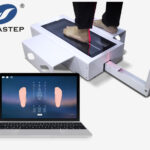
- 3D scan data combined with semi-custom manufacturing
The future is moving toward a hybrid model of modular customization and fast production.
Frequently Asked Questions (FAQ)
Q1: Which is better for a new brand, OEM or ODM?
For startups, ODM is usually more practical as it allows faster market entry and lower initial risk.
Q2: Can ODM products be structurally modified?
Yes, but usually within limits such as material density, arch height, or surface structure. Core mold design generally cannot be changed.
Q3: How long does OEM development take?
Typically 4–12 weeks depending on complexity and testing requirements.
Q4: Why is OEM more expensive?
Because it involves independent design, mold development, and testing, resulting in higher R&D investment.
Conclusion
The core difference between OEM and ODM lies in design ownership and development depth.
- OEM focuses on customization, medical-grade performance, and long-term brand building
- ODM focuses on speed, standardization, and market testing
In the orthotics industry, these two models are not opposites but complementary tools serving different business stages and strategies.
For brands, the real challenge is not choosing between OEM or ODM, but rather designing a strategy that balances efficiency, cost, and long-term brand value.
You might also like these popular articles: Introducing Ideastep: Leading the Way in OEM EVA Blocks