Orthotic Insoles Wholesale Guide for Distributors, Importers, and Private Label Brands
In orthotic insole sourcing, most distributors are not just comparing prices—they are evaluating whether a supplier can maintain stable production, consistent density, and long-term OEM capability.
This guide is written from a manufacturing and B2B sourcing perspective to help distributors understand how orthotic insoles are actually selected, priced, and supplied in wholesale programs.
1. How the Orthotic Insoles Wholesale Market Really Works
In most real B2B cases, orthotic insoles are no longer limited to medical prescriptions. The demand structure has shifted toward three main channels:
- Workwear and industrial safety shoe distributors
- Sports and performance footwear brands
- Private label comfort and footcare brands
Instead of “medical-only products,” orthotic insoles are now part of broader foot comfort and biomechanics product lines.
From a supply chain perspective, distributors typically handle:
-
- Regional pricing and product positioning
- Local certification or labeling requirements
- Channel development (retail, clinic, online, wholesale)
- Inventory planning and replenishment cycles
In practice, distributors are not just resellers—they act as local product managers.
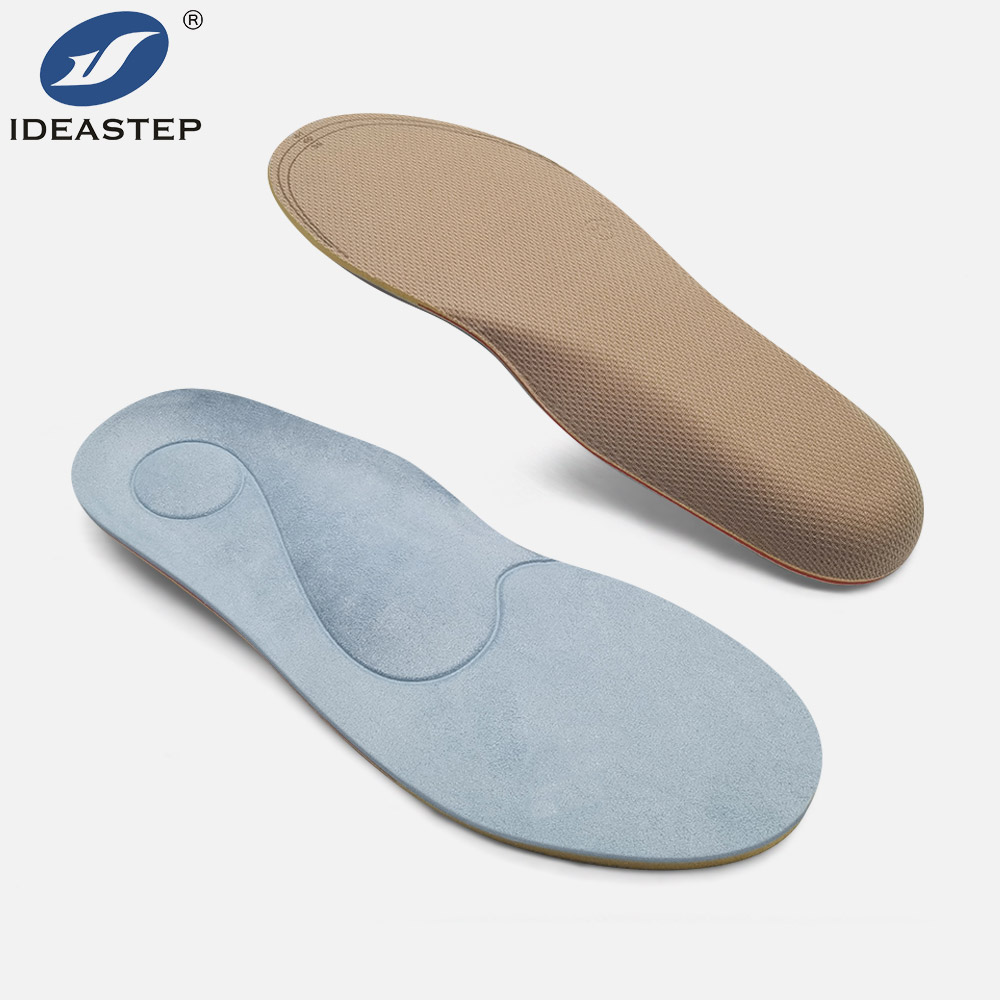
2. Types of Orthotic Insoles in Wholesale Supply
Medical-Oriented Orthotic Insoles
These are usually supplied to podiatry clinics, orthopedic distributors, and rehabilitation channels.
Unlike general comfort insoles, these products are positioned around specific conditions such as:
- Plantar fasciitis support
- Flat feet correction
- Overpronation control
They are often sold through professional recommendation rather than direct retail marketing.
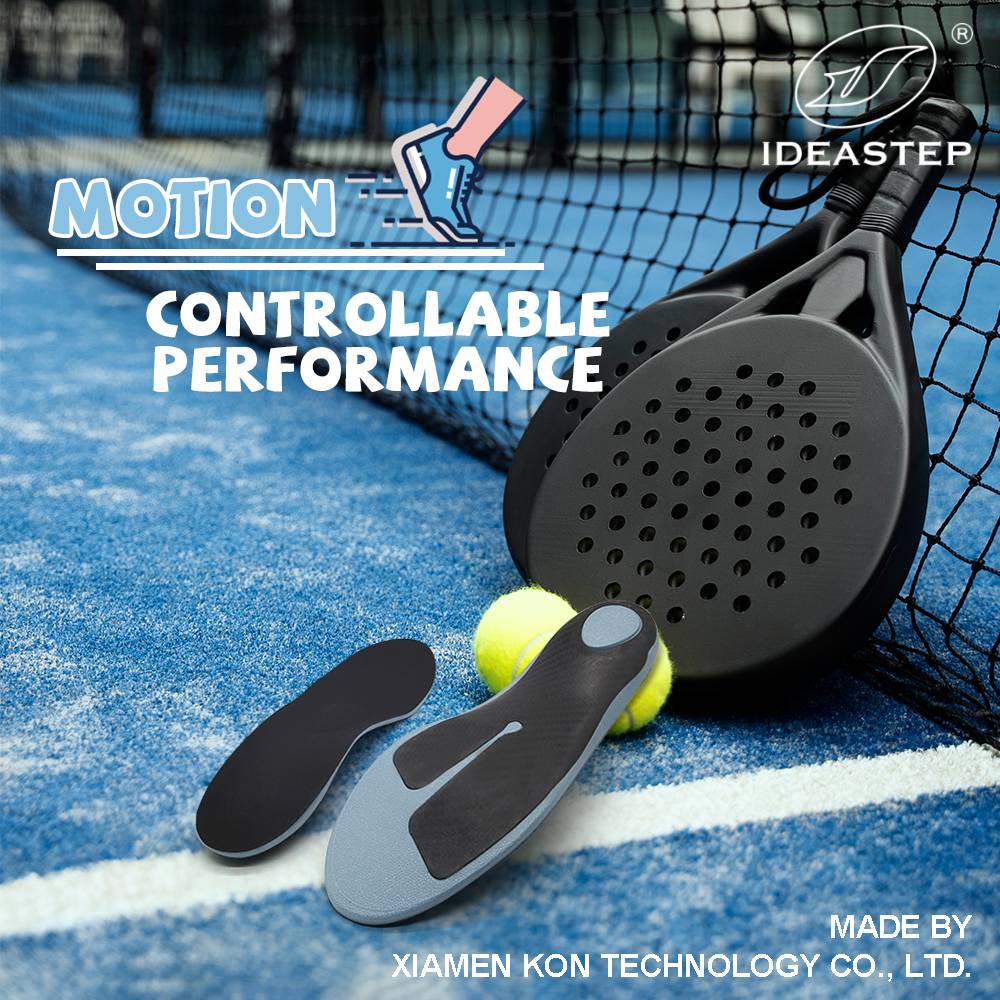
Sports Orthotic Insoles
Sports insoles are designed more around movement efficiency than correction alone.
Typical requirements from distributors include:
- Shock absorption for running and training
- Stability during lateral movement
- Energy return for performance footwear
These products are commonly used in private label sports brands.
Work & Industrial Insoles
This category is driven by long-hour standing environments such as:
- Construction
- Warehousing
- Manufacturing lines
For these buyers, comfort over 8–12 hours matters more than biomechanical correction. Durability and cushioning consistency are key concerns.
Pediatric Orthotic Insoles
Children’s insoles are usually purchased by foot care brands or clinics focusing on early intervention.
Key requirements include:
- Lightweight structure
- Gentle arch support
- Adaptability during growth stages
3. Key Factors Distributors Actually Evaluate Before Buying
Material Selection Is a Cost–Performance Decision
Material choice is not just about comfort—it directly defines your target market.
In real OEM programs:
- EVA is commonly used for entry-level and high-volume retail programs due to cost control and lightweight structure
- PU is preferred for long-term wear and work shoe applications where durability is more important
- Gel layers are usually added for premium pressure relief
- TPU reinforcements are used when structural stability is required
Most sourcing mistakes happen when buyers choose materials based on catalog descriptions rather than end-user usage scenarios.
Design Structure Matters More Than Material Alone
Experienced distributors usually look beyond material and focus on structural design:
- Arch height consistency (low / medium / high)
- Heel cup stability during walking
- Pressure distribution zones under forefoot and heel
- Motion control for overpronation or supination cases
Two insoles made from the same EVA can perform very differently depending on structure design.
Sizing Systems and Customization Level
Wholesale buyers typically operate in three levels:
- Standard mass production sizing (fast turnover, low customization)
- Semi-custom adjustment (arch height or density modification)
- Full OEM development (new molds, private label programs)
Most long-term distributors eventually move toward OEM once their market stabilizes.
Certification Is Not Optional in Export Markets
For EU and US distribution, compliance is often required at the retail level:
- CE certification for European channels
- ISO-based quality management systems
- Biocompatibility testing for medical positioning
4. What Makes a Reliable Orthotic Insoles Manufacturer
From a distributor’s perspective, the biggest issue in this industry is not design—it is consistency over time.
Production Stability Is Critical
A reliable supplier should maintain:
- Stable density between batches
- Repeatable arch structure accuracy
- Controlled material blending ratios
Batch inconsistency is one of the most common reasons distributors switch suppliers.
OEM/ODM Capability Is More Than Branding
True OEM capability includes:
- Tooling and mold development
- Arch structure engineering
- Packaging and retail adaptation
Sampling Stage Usually Defines Cooperation Success
In most real projects, sampling takes longer than production.
Distributors often request:
- Multiple density adjustments
- Arch height revisions
- Comfort testing under real usage conditions
5. Orthotic Insoles Wholesale Pricing Logic
Pricing is rarely determined by material alone.
In real OEM negotiations, cost is influenced by:
- Mold ownership (existing vs new tooling)
- Structural complexity of the insole
- Multi-layer design requirements
- Packaging customization level
- Order volume and replenishment cycle
For example, two EVA insoles with similar material costs can differ significantly in price if one requires a new biomechanical mold.
This is why distributors usually evaluate suppliers based on long-term cost stability rather than unit price alone.
6. Supply Chain Reality: From Sampling to Shipment
A typical wholesale workflow includes:
Inquiry → Sampling → Design adjustment → Confirmation → Mass production → Quality inspection → Shipment
However, in practice:
- Sampling often requires multiple iterations
- Production timelines depend heavily on mold finalization
- Quality control delays usually occur at density or fit consistency checks
Shipping methods are usually split into:
- Sea freight for cost efficiency
- Air freight for urgent replenishment cycles
7. How Distributors Build Profit in Orthotic Insoles Business
Successful distributors rarely rely on a single product type.
Instead, they build layered portfolios:
- Entry-level EVA comfort insoles for volume sales
- Mid-range orthopedic support insoles for retail chains
- Premium OEM/private label products for brand positioning
Private label development is usually the turning point where distributors shift from trading to brand building.
Long-term supplier partnerships also help stabilize:
- Pricing structures
- Production priority
- Market exclusivity in some regions
8. Conclusion
Orthotic insole wholesale is not just a sourcing activity—it is a supply chain decision.
Distributors who succeed in this market usually focus on:
- Product consistency over time
- Supplier engineering capability
- OEM scalability
- Real usage-based product positioning
Price matters, but long-term stability matters more.
9. FAQ – Orthotic Insoles Wholesale
What is the MOQ for orthotic insoles wholesale?
MOQ depends on customization level. Standard products may allow lower trial orders, while OEM programs typically require higher volumes due to tooling and setup costs.
Can I develop my own private label orthotic insoles?
Yes. Most manufacturers support OEM/ODM services including logo branding, packaging design, and custom mold development.
What materials are commonly used in orthotic insoles?
EVA, PU, gel, and TPU are the most commonly used materials, each serving different market segments and performance requirements.
How long does production usually take?
Production typically ranges from 15 to 45 days depending on order size and customization complexity.
What is the most common issue in wholesale sourcing?
The most common issue is batch inconsistency in density and arch support performance, which can affect long-term product reliability.
Final Note for Distributors
Most distributors start with sampling and small-batch testing before entering full OEM cooperation. This is the most practical way to evaluate long-term supply reliability.
If you are currently sourcing orthotic insoles for your market, starting with a structured sample evaluation is usually the most efficient first step.