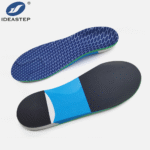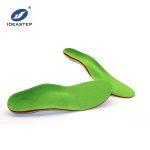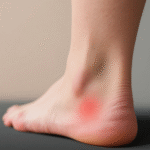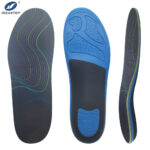
In work boot applications, insoles are not just comfort accessories. They are part of the load-bearing and shock-absorbing system that directly affects foot fatigue, posture stability, and long-term joint stress. However, in industrial environments, most users replace insoles either too late or based on arbitrary timelines rather than actual condition.
This guide explains how often work boot insoles should be replaced based on real industrial usage, how material degradation actually happens, and what experienced users look for when deciding replacement timing.
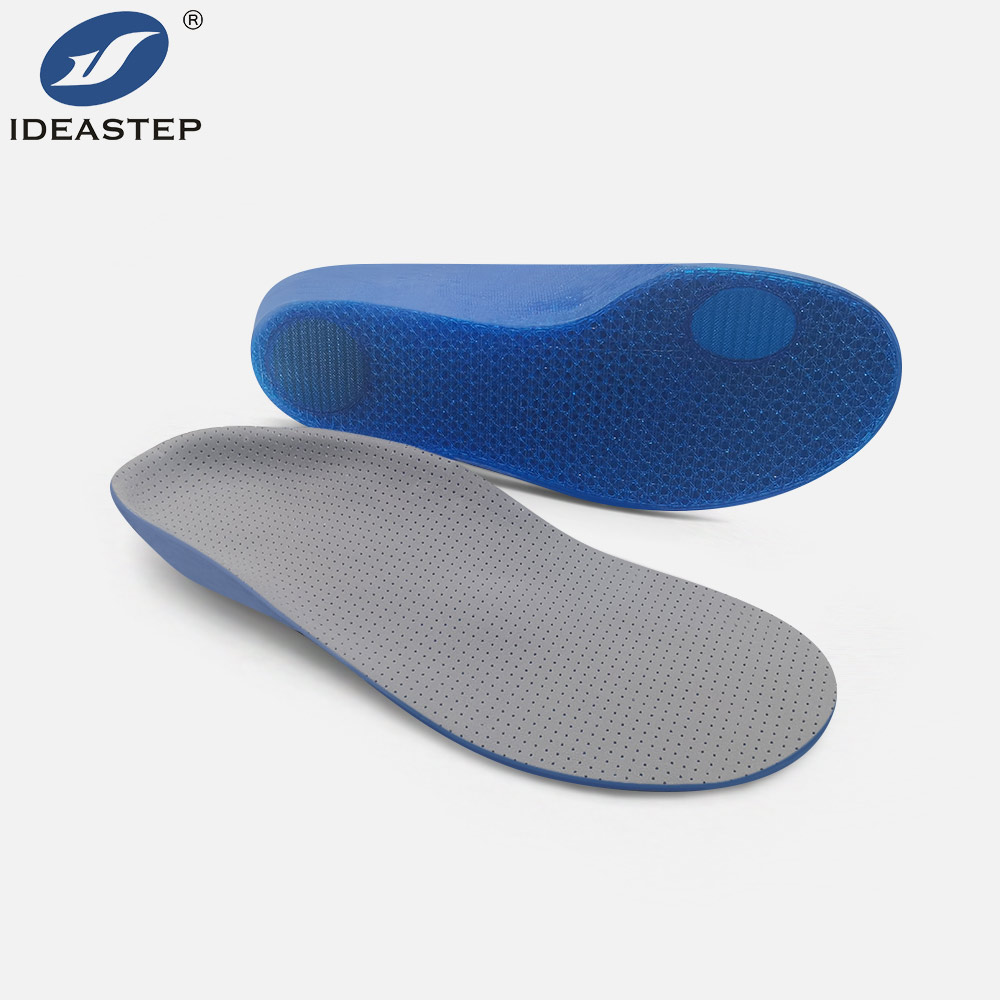
1. Why Work Boot Insoles Need Regular Replacement
1.1 Degradation Happens Gradually, Not Suddenly
In real-world industrial use, insoles rarely fail all at once. Instead, the heel cushioning typically collapses first, followed by gradual loss of arch support and forefoot rebound.
This slow degradation is why many workers do not notice performance loss until foot fatigue becomes obvious.
1.2 Loss of Shock Absorption Changes Body Load
Once the foam structure is compressed beyond recovery, the insole can no longer distribute pressure effectively. This increases localized stress in the heel and forefoot, which may lead to:
- Plantar fascia overload
- Reduced arch stability during long standing
- Secondary fatigue in knees and lower back
1.3 Industrial Environments Accelerate Wear
Heat, moisture, oil exposure, and continuous load cycles significantly accelerate material fatigue. In environments such as warehouses or construction sites, insoles experience far more compression cycles than in normal daily walking conditions.
2. How Often Should You Replace Work Boot Insoles?
2.1 Light Industrial Use (Low Load / Intermittent Standing)
Recommended cycle: 6–12 months
This applies to logistics support staff or light-duty environments where walking and standing are balanced. EVA insoles may maintain acceptable performance within this range if not overloaded daily.
2.2 Medium Industrial Use (Warehousing / Manufacturing)
Recommended cycle: 3–6 months
This is the most common scenario. Continuous standing and walking cause visible compression in heel and arch zones. Most EVA-based insoles begin losing rebound performance within this period.
2.3 Heavy-Duty Use (Construction / Heavy Industry)
Recommended cycle: 1–3 months
High-impact loading leads to rapid structural fatigue. Even reinforced PU or high-density EVA systems will show noticeable breakdown under constant stress and uneven ground conditions.
2.4 More Important Than Time: Physical Condition
In practice, experienced users do not rely only on time. Instead, they evaluate physical feedback such as:
- Heel feels flat or “dead” with no rebound
- Arch support feels lower than original fit
- Permanent compression marks remain after use
- Feet feel more tired under identical workload
In real industrial use, condition-based judgment is more reliable than fixed replacement schedules.
3. Key Factors That Affect Insole Lifespan
3.1 Material Structure Matters, But Is Not the Only Factor
Different materials degrade at different speeds, but usage intensity often plays an even larger role.
- EVA: Lightweight and cost-efficient, but heel compression happens faster under long standing
- PU: Better durability for long-hour standing environments
- Gel: High comfort but limited structural lifespan
- TPU reinforcement: Improves shape stability under load
3.2 Standing Time Is More Critical Than Material Type
Among all factors, daily standing duration has the most direct impact on insole collapse speed. In many industrial cases, long-hour static standing causes faster fatigue than walking activity.
3.3 Body Weight and Pressure Distribution
Higher body weight increases compression force per step. Uneven pressure distribution inside poorly matched boots can also accelerate localized breakdown.
3.4 Environmental Stress
Moisture, heat, and dust exposure weaken foam structure and adhesive layers over time, especially in multi-layer insoles.
4. Signs Your Work Boot Insoles Need Replacement
4.1 Loss of Heel Rebound
A simple field test is pressing the heel area with your thumb. If it does not bounce back quickly, the cushioning structure is already degraded.
4.2 Reduced Arch Support Feedback
If the arch feels lower or less supportive compared to when new, the structural foam has likely compressed permanently.
4.3 Permanent Deformation Marks
Visible indentations in the heel or forefoot area that do not recover after use indicate material fatigue.
4.4 Increased Fatigue Under Same Workload
One of the earliest practical signs is increased foot tiredness despite unchanged working conditions.
5. How to Extend the Life of Work Boot Insoles
5.1 Rotate Between Two Pairs
Alternating insoles allows partial recovery of foam elasticity, reducing continuous compression stress.
5.2 Keep Insoles Dry
Moisture accelerates foam breakdown and weakens bonding in layered structures. Drying insoles after use helps slow degradation.
5.3 Use Industrial-Grade Materials
Higher-density EVA or PU-based structures are more suitable for long-hour standing environments than soft comfort-focused designs.
5.4 Do Not Rely Only on Time
Even in good maintenance conditions, industrial insoles degrade differently depending on workload. Condition-based inspection is more reliable than fixed replacement cycles.
6. Why Work Boot Insoles Fail Faster Than Expected
Most users underestimate insole wear because the process is gradual. However, the heel area typically absorbs most of the impact load, making it the first failure point in industrial use.
Once heel cushioning collapses, pressure shifts unevenly across the foot, which accelerates arch fatigue and overall discomfort even if the insole still looks intact externally.
7. Choosing the Right Insoles for Work Boots
7.1 Prioritize Structural Support Over Softness
Soft insoles may feel comfortable initially but often collapse faster under continuous industrial loading.
7.2 Use Multi-Layer Construction When Possible
Combining cushioning (EVA) with structural support (PU or TPU reinforcement) improves both durability and stability.
7.3 Match Insoles to Work Environment
- Construction: high shock absorption + strong structure
- Warehousing: balanced cushioning + durability
- Manufacturing: long-term standing support + fatigue reduction
8. Conclusion
There is no universal replacement schedule for work boot insoles. In real industrial environments, lifespan typically ranges from 1 to 12 months depending on workload, material structure, and environmental conditions.
However, the most reliable indicator is always physical condition rather than time. Once cushioning collapses or arch support weakens, replacement should be considered immediately to avoid unnecessary foot and joint fatigue.
Regular inspection and timely replacement of work boot insoles is a low-cost but highly effective way to maintain long-term foot health and improve daily working comfort.
FAQ
How often should work boot insoles be replaced?
Most industrial users replace insoles every 3–12 months depending on workload. Heavy-duty environments may require replacement every 1–3 months.
What is the main sign of worn-out insoles?
The most reliable sign is loss of heel rebound and increased foot fatigue under the same working conditions.
Which insole material lasts the longest in industrial use?
PU and TPU-reinforced structures generally last longer than standard EVA in long-hour standing environments.
Can worn insoles affect overall body posture?
Yes. Loss of support can increase stress on knees, hips, and lower back over time.
Related product: PU insoles.