Flat feet is a common foot condition that can significantly impact lower limb joint function and overall mobility, leading to unstable gait, walking fatigue, and discomfort. For patients, scientific interventions can enhance quality of life, while for rehabilitation centers, medical institutions, and distributors, using custom insoles not only improves patient outcomes but also enhances supply chain efficiency. This guide covers the impact of flat feet, mechanisms of custom insoles, material selection, clinical evidence, and B2B procurement strategies.
Impact of Flat Feet on Gait Stability
Flat feet can be congenital or acquired and are characterized by collapsed arches, overpronation, or supination. The main impacts include:
- Increased lower limb joint load: Uneven force on the knees, ankles, and hips, potentially causing long-term joint damage.
- Altered gait cycle: Deviations from normal gait patterns, leading to unstable center of gravity.
- Walking fatigue and discomfort: Patients may experience pain in the feet and knees during prolonged walking.
- Higher risk of falls: Especially in elderly patients, unstable gait increases accident risk.
Mechanisms of Custom Insoles
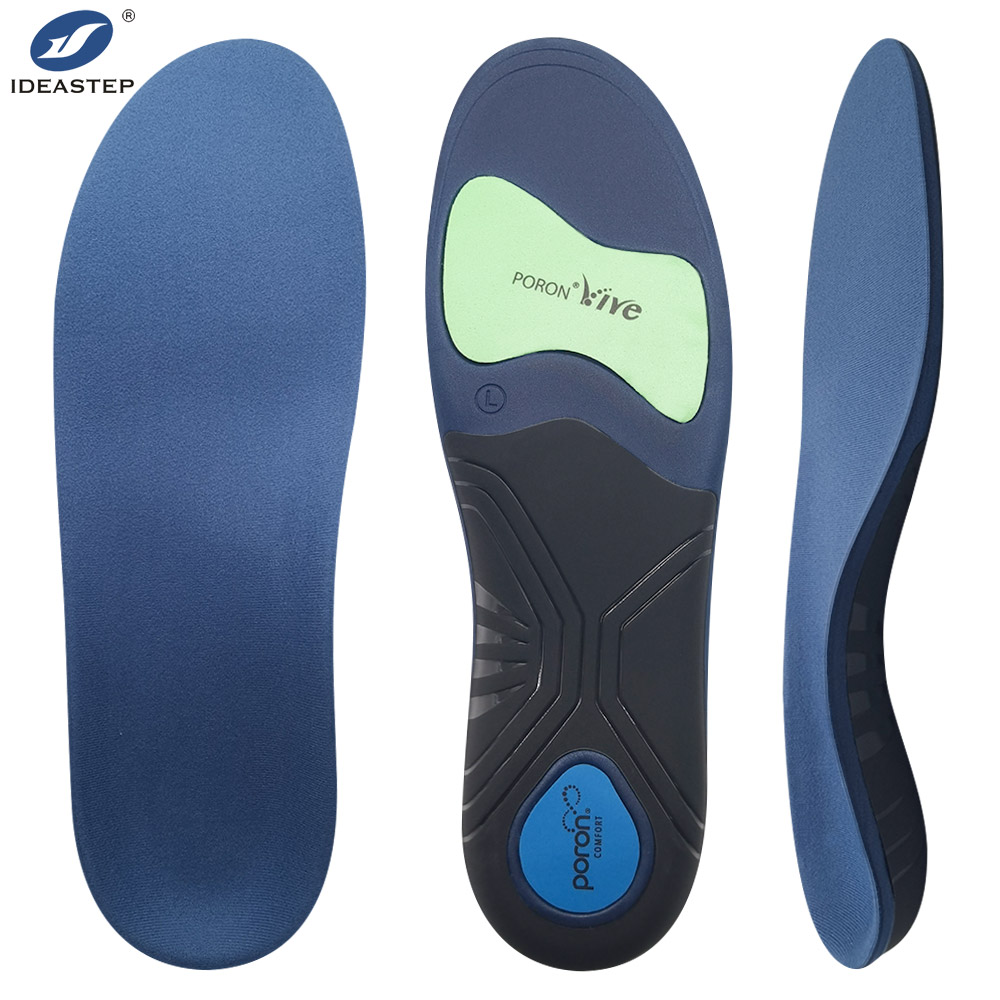
Custom insoles improve gait stability by providing precise arch support and redistributing plantar pressure:
1. Arch Support
Enhances weight-bearing capability, prevents arch collapse, and optimizes foot biomechanics.
2. Pressure Distribution
Evenly spreads plantar pressure to reduce load on the knees and ankles.
3. Gait Stability Improvement
Helps patients restore normal gait cycles, enhancing balance and walking stability.
4. Pain Relief and Injury Prevention
Reduces long-term stress on soft tissues and joints, preventing secondary injuries.
Clinical studies show that custom insoles significantly improve gait stability and walking comfort in flat feet patients.
Custom Insoles vs Prefabricated Insoles
| Feature | Custom Insoles | Prefabricated Insoles |
|---|---|---|
| Fit | Designed based on foot scans, precise fit | Standard sizes, limited adaptation |
| Support | Precise arch support, improved gait stability | Limited support |
| Material Options | EVA, TPU, Carbon Fiber, customizable | Single material, limited functionality |
| Clinical Evidence | Supported by research and case studies | Lack of scientific validation |

How to Choose the Right Custom Insoles for Flat Feet Patients
1. Foot Assessment and Gait Analysis
Use foot scanning, pressure tests, and gait analysis to identify patient-specific needs.
2. Material Selection
- EVA: Lightweight, cushioned, suitable for daily care.
- TPU: Durable, high strength, ideal for sports rehabilitation.
- Carbon Fiber: High-end medical or sports applications, small batch customization.
3. Supplier and Brand Selection
- Choose manufacturers with ISO 13485/ISO 9001 certification.
- Support OEM customization and bulk orders for stable supply.
- Prefer partners providing clinical data or case studies.
Precisely matching patient foot shape and gait requirements is key to improving gait stability.
B2B Applications
- Rehabilitation Centers / Medical Institutions: Provide personalized insoles for flat feet patients to improve treatment outcomes and patient satisfaction.
- Distributors / Brands: Bulk purchase custom insoles to meet diverse market demands, optimize inventory management and cash flow.
- Long-term Collaboration: Partnering with reliable suppliers ensures flexible MOQ, OEM solutions, and reduced procurement risks.
Clinical Evidence and Case Studies
- Flat feet patients using custom insoles for 6 weeks showed an average 20% improvement in gait stability scores.
- Plantar pain relief rate reached 75%, and walking comfort significantly improved.
- Long-term use effectively distributes knee load, preventing secondary joint injuries.
These data and case studies demonstrate the scientific efficacy of custom insoles in improving gait for flat feet patients.
Summary and Actionable Recommendations
Custom insoles play an indispensable role in enhancing gait stability for flat feet patients. Businesses and distributors should:
- Combine foot assessments and gait analysis to select scientifically designed insoles.
- Choose reliable suppliers focusing on material performance and bulk order flexibility.
- Consider long-term B2B partnerships to optimize inventory and cash flow.
For professional OEM collaboration and bulk solutions, Ideastep offers high-quality custom insoles to help brands achieve efficient procurement and improved patient satisfaction.
Interested in samples, pricing, or OEM solutions? Contact Ideastep today to start your flat feet gait improvement project.
If you’re interested in arch support insoles, check out this page:https://www.aideastep.com/product-category/arch-support-insoles/