Diabetic foot is a common complication of diabetes, often resulting from nerve and vascular damage, which increases the risk of ulcers, infections, and foot deformities. Scientific interventions can significantly reduce complications and improve patients’ quality of life. For healthcare institutions, rehabilitation centers, and distributors, OEM custom orthotic insoles provide both effective patient care and scalable solutions for bulk procurement and brand customization. This guide covers diabetic foot risks, insole benefits, material selection, clinical evidence, and B2B procurement strategies.
Risks and Impact of Diabetic Foot
Diabetic foot mainly includes neuropathic and vascular types, often presenting with collapsed arches, hallux valgus, and high-pressure points. Key risks include:
- Foot ulcers and infections: Sensory loss and high-pressure points increase skin injury and infection risk.
- Gait instability: Foot structure abnormalities affect walking balance and increase fall risk.
- Abnormal joint load: Uneven pressure may cause knee or hip joint damage over time.
- Reduced quality of life: Pain and mobility limitations impact daily activities and work.
Functions of Custom Orthotic Insoles
1. Pressure Distribution Optimization
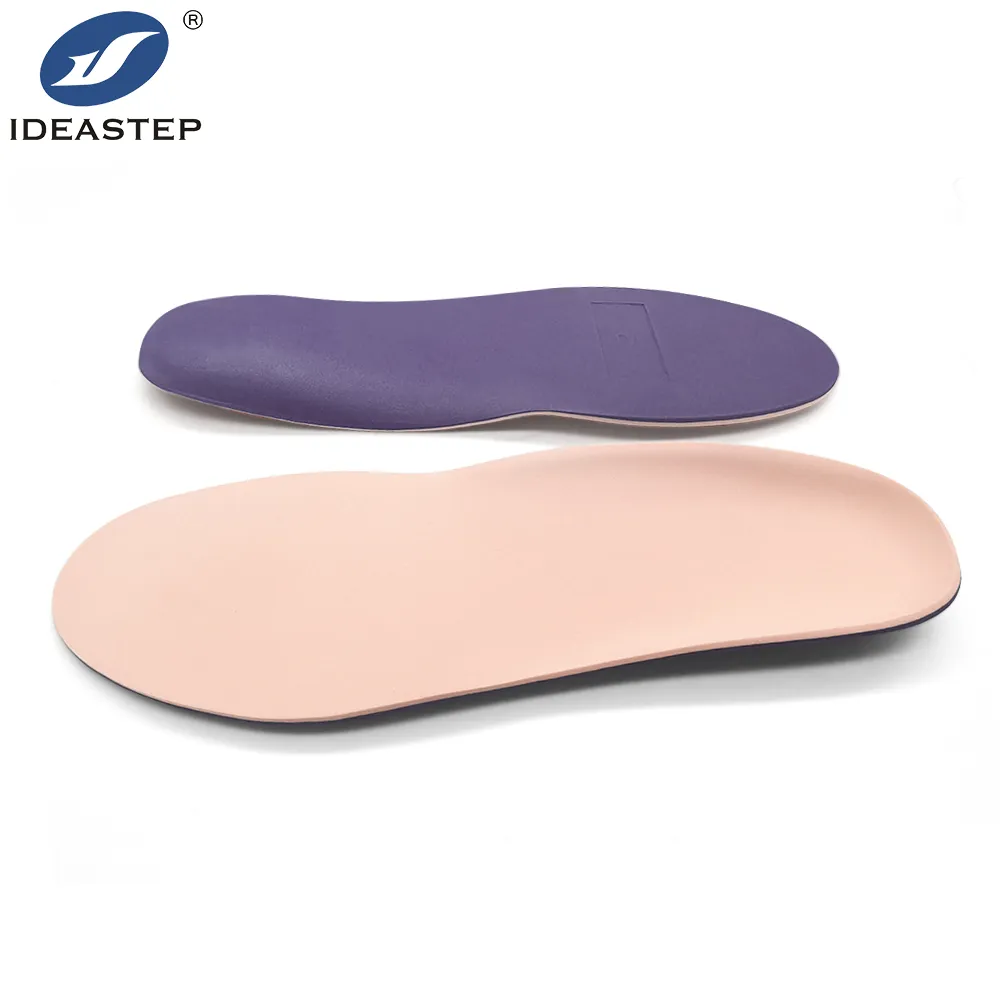
Custom insoles are designed based on plantar pressure analysis to evenly distribute weight, reduce high-pressure areas, and lower ulcer risk.
2. Foot Support
Provides precise support for arches and foot structure, preventing deformity progression and improving gait posture.
3. Gait Stability Improvement
Helps patients restore normal walking patterns, enhancing balance and safety during movement.
4. Comfort and Long-Term Care
High-performance materials cushion the plantar surface, improving comfort and reducing secondary injuries.
Clinical observations show that diabetic foot patients using custom insoles for six weeks experienced an average 25% improvement in gait stability and a 75% reduction in plantar discomfort.
Advantages of OEM Custom Insoles
- Personalized design: Tailored according to foot scans and pressure analysis.
- Mass production capability: Meets the bulk needs of healthcare institutions and distributors.
- Material and technology options: EVA, TPU, carbon fiber, and multilayer composite structures.
- Clinical validation: Proven efficacy through research increases patient trust and brand value.
Material Selection and Application
| Material | Properties | Recommended Use |
|---|---|---|
| EVA | Lightweight, cushioned | Daily care, basic protection |
| TPU | Durable, high support | Rehabilitation, sports care |
| Carbon Fiber | High strength, stable | High-end medical or sports insoles, small batch customization |
| Multilayer Composite | Cushion + support + antimicrobial | Differentiated product lines, functional customization |
Enterprises can flexibly select material combinations based on patient needs and market strategy to achieve product differentiation.

How to Choose a Reliable OEM Supplier
- Certification: ISO 13485, ISO 9001 for medical devices.
- Mass customization capability: Flexible MOQ to meet business volume.
- R&D and technical support: Foot scanning, pressure testing, material optimization.
- Clinical data and case studies: Demonstrated effectiveness enhances trust.
B2B Procurement and Brand Collaboration
- Bulk purchase and inventory management: Adjust order volume according to sales forecasts to optimize stock and cash flow.
- OEM customization process: From requirement analysis, foot measurement, material selection to production delivery.
- Brand co-development: Jointly develop exclusive insole lines to increase market competitiveness.
- Long-term partnership advantages: Stable supply ensures consistent customer experience and bulk pricing benefits.
Clinical Evidence and Case Studies
- Six weeks of custom insole use reduced ulcer risk by 30%-40% among diabetic foot patients.
- Gait stability scores improved by an average of 25%, with significant comfort enhancement.
- Long-term use lowers knee load and prevents secondary foot injuries.
Summary and Actionable Recommendations
OEM custom orthotic insoles play a critical role in diabetic foot care. Businesses and distributors should:
- Combine foot scanning and plantar pressure analysis to select scientifically designed insoles.
- Choose certified suppliers with clinical data support for reliable OEM solutions.
- Implement bulk procurement and long-term cooperation strategies to optimize supply chain efficiency.
For professional OEM customization and bulk solutions, Ideastep provides high-quality custom insoles, enabling brands to procure efficiently and improve patient satisfaction. Contact Ideastep today for samples, pricing, or OEM solutions to accelerate your diabetic foot care product launch.
Want to know more? These articles are just as exciting:Specific material requirements for diabetes insoles