Introduction
In footwear development, material selection is rarely just a cost decision. It directly affects how a shoe performs, feels, and holds up in real-world use. Among today’s common polymer foams, EVA has remained a practical choice for lightweight footwear design because it balances weight reduction, cushioning behavior, and production flexibility.
In OEM and ODM projects, especially for athletic and comfort-driven categories, EVA continues to be specified not because it is new, but because it is reliable and easy to engineer at scale.
1. Understanding EVA in Footwear Applications
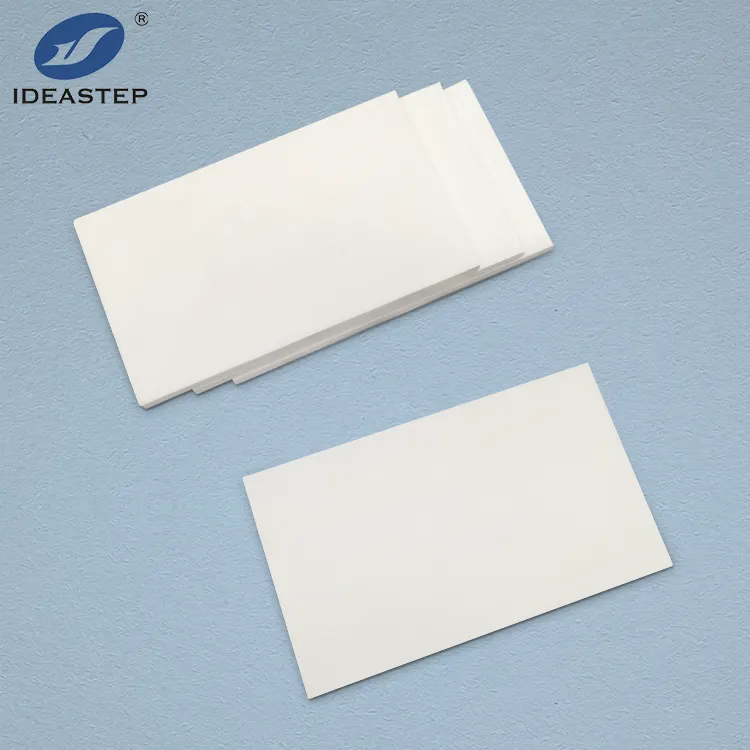
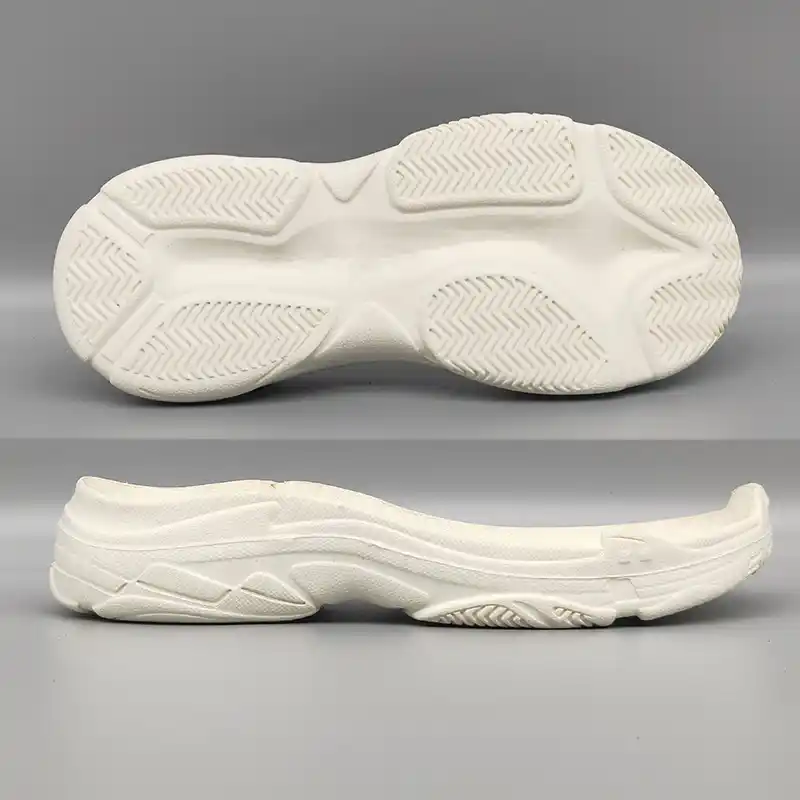
EVA (ethylene-vinyl acetate) is a closed-cell foam material produced through a controlled foaming process. In footwear, it is typically used in midsoles and outsole structures where cushioning and weight reduction are required.
Compared with rubber or TPR compounds, EVA behaves more like a compressible energy-absorbing foam than a traditional wear-resistant outsole material. This is why it is often used in combination with other materials rather than as a standalone solution in high-abrasion products.
In practical manufacturing terms, EVA is valued for one reason: it is predictable. Once density and hardness are defined, performance can be reproduced consistently across large production runs.
2. Why EVA Fits Current Lightweight Footwear Trends
Footwear design has been moving steadily toward lighter constructions across sports, lifestyle, and even work categories. The expectation from end users is simple—less weight, less fatigue, more comfort during prolonged wear.
EVA fits this direction because it allows manufacturers to reduce shoe weight without redesigning the entire structure while maintaining production efficiency at scale.
- Reduce overall sole weight without redesigning the entire structure
- Fine-tune cushioning through density control
- Maintain production efficiency at scale
From a development perspective, EVA is often used as the baseline material for early prototypes before moving into more complex hybrid constructions.
3. Key Performance Advantages of EVA Outsole Material
3.1 Lightweight Structure That Impacts End-Use Comfort
EVA’s foam structure significantly reduces material density. In finished footwear, this translates into a noticeable difference in how the shoe feels during long walking or standing periods.
For products targeting daily wear or travel comfort, this weight reduction is a functional requirement rather than a marketing feature.
3.2 Shock Absorption Under Repeated Load
EVA deforms under pressure and gradually disperses impact energy. While it does not provide the same rebound behavior as high-performance elastomers, its cushioning consistency is stable under repetitive walking cycles.
This makes it suitable for running shoes, walking shoes, and orthotic-compatible footwear systems.
3.3 Flexibility That Supports Natural Gait Movement
One of EVA’s practical advantages is its bending behavior. It does not require a long break-in period and adapts quickly to natural foot motion.
This gives designers more freedom when developing outsole flex grooves and ergonomic sole curvature.
3.4 Manufacturing Efficiency and Cost Stability
From a production standpoint, EVA remains one of the most efficient foam materials to process.
- Stable molding cycles
- Low scrap rates in mass production
- Predictable expansion behavior
- Cost control in large-volume OEM orders
For brands scaling across multiple SKUs, EVA reduces engineering complexity at the early development stage.
3.5 High Design Flexibility in Production
EVA supports a wide range of manufacturing adjustments.
- Density grading (soft to firm zones)
- Hardness tuning (Shore A variation)
- Surface finishing options
- Co-molding with rubber or TPU outsoles
4. Material Development Trends Around EVA
EVA today is rarely used in its basic form in competitive footwear categories. Most improvements come from compound engineering rather than the base polymer itself.
- High-resilience EVA formulations to improve energy return
- EVA-rubber blends for improved abrasion resistance
- TPU-reinforced EVA structures for durability enhancement
- Density-zoned midsoles for functional performance segmentation
- Low-emission and recyclable EVA systems aligned with sustainability requirements
5. Where EVA Outsoles Are Most Effectively Used
- Running and training footwear (midsole-driven designs)
- Everyday casual shoes
- Travel and lifestyle footwear
- Light-duty work shoes for long standing periods
- Orthotic and comfort-focused footwear systems
In orthotic footwear development, EVA is often paired with structured insoles or support components to balance softness with biomechanical stability.
6. Practical Limitations and Engineering Workarounds
Wear resistance limitations
Pure EVA is not ideal for high-abrasion environments. Common solution: rubber or TPU outsole overlays.
Thermal sensitivity
EVA can lose structure under prolonged heat exposure. Solution: cross-linked EVA or blended compounds.
Long-term compression set
Under continuous heavy load, EVA may gradually lose rebound. Solution: density optimization and multi-layer sole design.
7. Selecting an EVA Material Supplier from a B2B Perspective
- Control over foam density variation across batches
- Ability to stabilize hardness and rebound performance
- Engineering support for prototype development
- Capacity for OEM/ODM customization at scale
- Quality control across long production cycles
Suppliers with both material engineering capability and footwear structure understanding tend to reduce development risk significantly.
8. Outlook for EVA in Footwear Manufacturing
Despite the emergence of newer foam technologies, EVA remains structurally important in footwear systems. It continues to serve as a core platform material in lightweight performance footwear, comfort-oriented shoes, hybrid outsole systems, and orthotic structures.
Its role is less about replacing advanced materials and more about enabling scalable, cost-controlled design solutions.
Closing Perspective
EVA remains relevant not because it is the most advanced material, but because it is one of the most controllable. For brands managing large product portfolios or iterative development cycles, that predictability is often more valuable than marginal performance gains.
In real production environments, EVA continues to serve as a practical foundation material—especially when integrated into multi-layer engineered sole systems.
Related product links: https://www.aideastep.com/product/ideastep-f-grade-premium-lightweight-eva-film-for-shoe-insoles-high-rebound-comfort-material/.