In clinical footwear and orthopedic product supply, insoles are not treated as a simple comfort accessory. In most cases, they are part of a long-term foot support strategy used in both treatment and preventive care.
Over the years, we’ve seen a clear shift: clinics and orthopedic brands are no longer sourcing small, inconsistent batches. Instead, they prefer bulk supply models that ensure stable quality and predictable performance across large volumes.
This is especially important for medical orthotic insoles, where even small variations can affect how the product performs in real use.
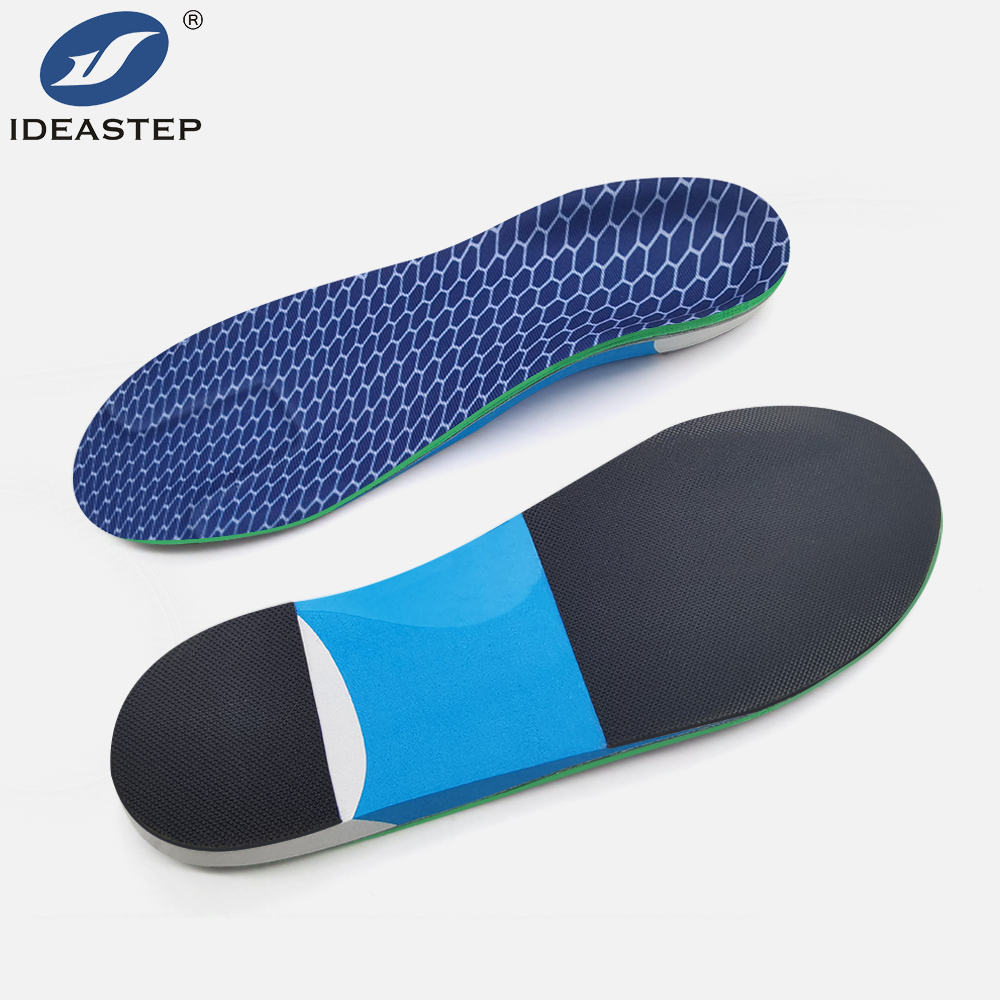
What Medical Orthotic Insoles Bulk Supply Really Means
Bulk supply in this context simply refers to continuous production of clinically designed insoles under controlled specifications.
Unlike retail insoles, medical orthotic versions are not designed for general comfort alone. They focus more on structural correction, pressure control, and long-term stability during walking or standing.
Most buyers in this category—clinics, orthopedic brands, and distributors—care more about consistency than design variation.
Core Functions of Medical Orthotic Insoles
Biomechanical Support in Daily Movement
The main purpose of an orthotic insole is to help guide foot alignment. In practice, this usually means supporting the arch and improving how pressure is distributed during walking.
It doesn’t change the foot mechanically in a dramatic way, but it helps reduce unnecessary strain over time.
Pressure Redistribution
One of the most noticeable effects in real use is pressure balancing. When the load is spread more evenly, discomfort in the heel or forefoot is often reduced.
Support in Common Foot Conditions
In clinical environments, orthotic insoles are often used for conditions like flat feet, plantar fasciitis, or general heel pain management. They are typically part of a broader care plan rather than a standalone solution.
Why Clinics and Brands Prefer Bulk Supply
From a practical perspective, bulk supply is not just about cost reduction.
- It helps maintain consistency across patient or customer use
- It reduces variation between production batches
- It supports long-term procurement planning
- It simplifies product standardization for brands
In real operations, consistency usually matters more than minor design improvements.
Material Structure of Medical Orthotic Insoles
Most medical-grade insoles rely on layered structures rather than a single material block.
Typical Structure
- Bottom cushioning layer: usually EVA or PU for shock absorption
- Support layer: controls arch stability and overall alignment
- Top cover: improves comfort during direct foot contact
The balance between these layers is what determines how the insole behaves during long-term use.
Material Stability Matters More Than Softness
In practice, softer materials are not always better. What matters more is whether the material keeps its structure after repeated compression.
How Custom Orthotic Insoles Are Manufactured
The production process usually follows a structured workflow combining digital design and controlled manufacturing.
1. Foot Scanning and Movement Data
Everything starts with foot scanning. In some cases, gait data is also collected to understand pressure behavior during walking.
However, not all scans are used directly. Some require adjustment before entering the design stage, depending on data quality.
2. CAD Design Based on Biomechanics
Once the data is confirmed, engineers translate it into CAD models using tools like Rhino or SolidWorks.
At this stage, the focus is not on shape but on function—how the arch, heel, and forefoot zones interact with pressure during movement.
3. Manufacturing Process
Depending on the product type, insoles are produced through molding or 3D-based manufacturing methods.
The key here is not the method itself, but whether the final product matches the approved design consistently.
Quality Control in Real Production
QC in orthotic insole manufacturing is mostly about controlling variation.
No matter how good the design is, inconsistent production will affect real-world performance.
- Material consistency checks before production
- Dimensional and structural verification during production
- AQL sampling for batch inspection
- Final sample comparison before shipment
In most factories, the approved sample becomes the reference point for all production control.
Bulk Supply Capability in Practice
Bulk supply is less about scale and more about repeatability.
For clinics and orthopedic brands, what matters is whether the same product can be reproduced consistently over time, not just once.
That’s why stable production systems and controlled material sourcing are often more important than production speed alone.
OEM and ODM Cooperation
In most OEM projects, the workflow starts with sample confirmation. Once approved, that sample defines all future production standards.
Changes in materials or structure are usually re-validated before implementation, especially for medical-related products.
This helps avoid unexpected deviations in long-term supply.
Application Areas
- Podiatry clinics
- Orthopedic hospitals and rehab centers
- Medical footwear brands
- Distributors in healthcare channels
- Professional foot care providers
Conclusion
Medical orthotic insoles bulk supply is not just a production model. It is a system built around consistency, repeatability, and controlled variation.
In clinical and orthopedic applications, these factors often matter more than design complexity.
When the entire process—from materials to final inspection—is properly controlled, the result is a product that performs reliably in real use across large-scale supply.