Running shoes are designed to manage impact, improve stability, and provide comfort during repeated movement. While the outsole and midsole receive most attention, the insole also plays an important role in the overall footwear experience.
For runners, the arch area helps distribute pressure and maintain foot stability throughout each stride. This is why best arch support insoles for running are not simply about adding more cushioning. A successful design needs to balance support, flexibility, shock absorption, and compatibility with different footwear structures.
For sports footwear brands, distributors, and foot care companies, developing a high-quality running insole requires a deeper understanding of foot movement, material performance, and product positioning.
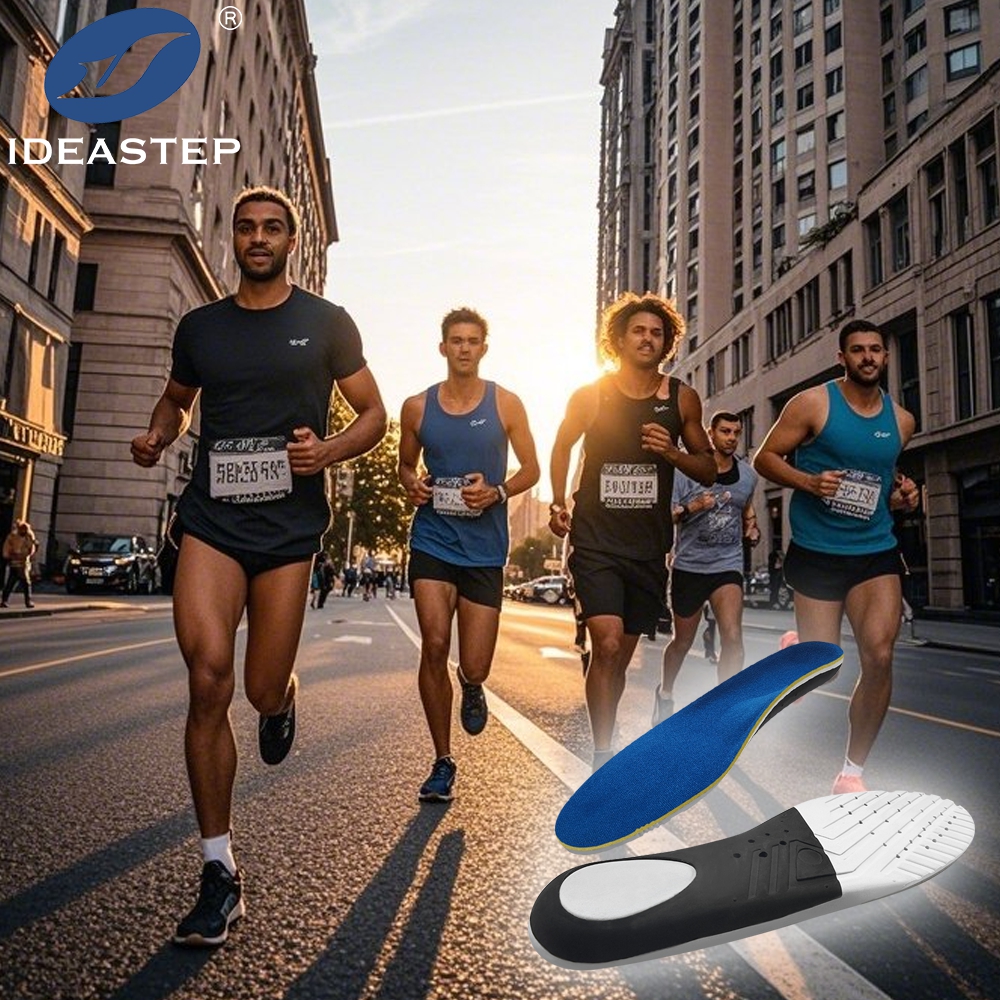
Designing Arch Support Insoles for Different Running Needs
There is no universal insole design that works for every runner. Different users, shoe types, and market segments require different support solutions.
A professional running insole development process usually focuses on three key areas:
Creating the Right Arch Support Structure
Arch support is the foundation of a running insole design, but the goal is not to create the hardest possible support.
An effective arch structure should help guide foot movement while maintaining natural flexibility.
During development, manufacturers usually consider:
- Arch contour and height
- Support position
- Transition between rigid and flexible areas
- Compatibility with different shoe shapes
For example, a racing shoe may require a lighter and more responsive structure, while a daily training shoe may prioritize comfort and durability.
The best arch support insoles for running are designed according to the intended application rather than using a single standard structure.
Selecting Materials for Cushioning and Durability
Material selection has a direct impact on the final product performance.
Different materials provide different advantages:
EVA Foam
EVA is widely used in running insoles because it offers:
- Lightweight construction
- Flexible cushioning
- Various hardness options
It is suitable for many sports and everyday footwear applications.
PU Foam
PU foam provides:
- Better resilience
- Long-lasting cushioning
- Improved durability
It is often selected for products that require longer service life.
Gel and Composite Layers
Gel components or multi-layer structures can be added to specific areas where additional impact absorption is needed.
For manufacturers, the challenge is finding the right combination of materials instead of relying on one material alone. Density, hardness, thickness, and layer design all influence the final user experience.
Stability Design for Long-Distance Running Performance
Comfort is important, but stability is equally critical for running applications.
During repeated movement, the insole needs to remain securely positioned inside the shoe while supporting natural foot motion.
Common structural elements include:
- Deep heel cup design
- Reinforced support base
- Anti-slip top cover
- Controlled flexibility zones
These features help improve the connection between the foot, insole, and footwear.
For running shoe brands, improving internal stability can also help create a more premium product experience.
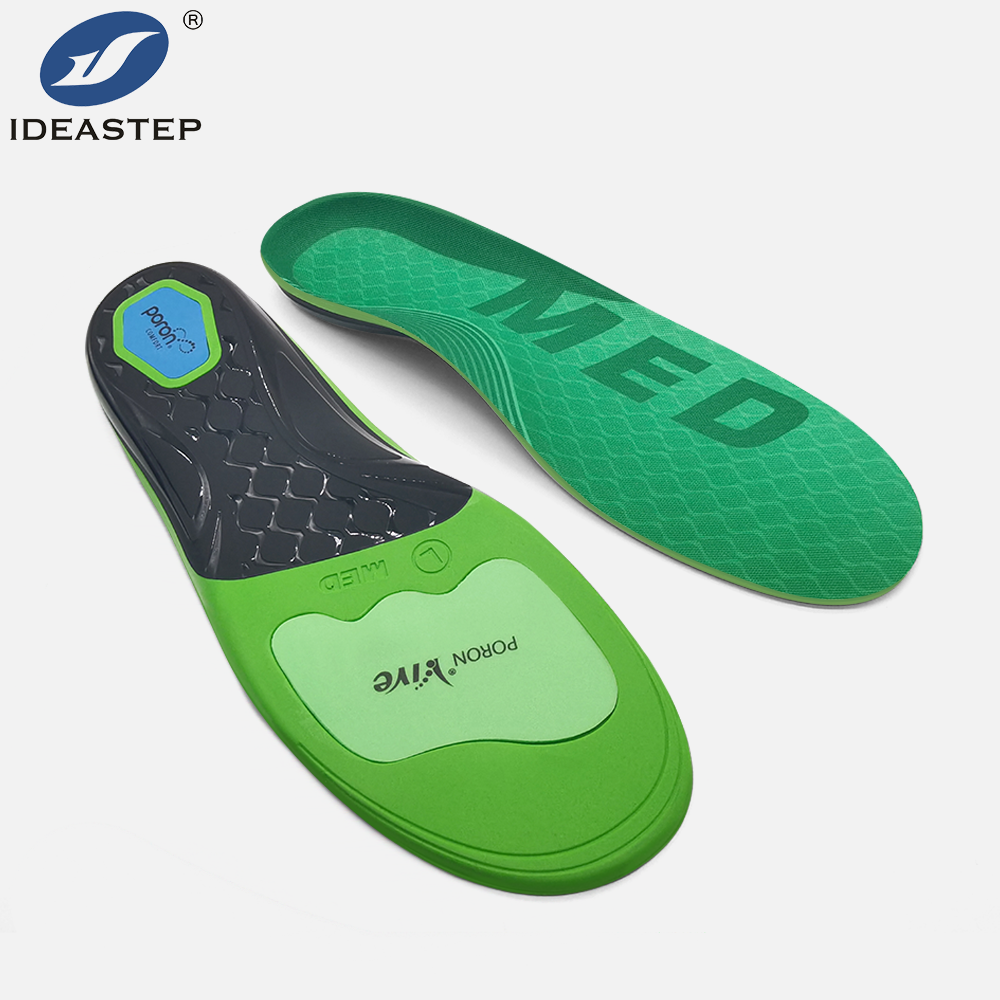
Applications of Arch Support Running Insoles
Performance Running Shoes
Performance-focused footwear usually emphasizes:
- Lightweight construction
- Fast response
- Efficient energy transfer
For these products, the insole design needs to provide support without adding unnecessary weight.
Daily Training and Fitness Footwear
Daily running shoes require a balance between comfort and durability.
Typical requirements include:
- Moderate arch support
- Reliable cushioning
- Comfortable long-term wear
This segment often represents a larger consumer market, making product consistency and cost control important considerations.
Foot Care and Orthotic Product Lines
For foot care companies and orthotic product brands, running insoles may require more structured designs.
These products often focus on:
- Different support levels
- Customized arch profiles
- Specific cushioning requirements
Compared with standard sports insoles, these products usually require stronger development capability and customization flexibility.
Custom Arch Support Insoles Development for Brands
For B2B customers, customization is often the key factor when choosing an insole supplier.
A standard insole may not meet the requirements of different brands because each market has different expectations regarding:
- Product positioning
- Target users
- Price range
- Performance requirements
A professional manufacturer can support customization in both materials and structure.
Material Customization Options
Running insole manufacturers can adjust materials according to product goals, including:
- EVA hardness and density
- Foam combinations
- Cushioning layers
- Fabric top covers
These adjustments allow brands to create products ranging from entry-level comfort insoles to premium performance solutions.
Structural Customization Options
The internal structure can also be modified based on footwear requirements.
Customization may include:
- Arch height adjustment
- Heel support design
- Overall thickness
- Flexibility zones
This helps ensure better compatibility with different running shoe models.
OEM Manufacturing Support for Running Insoles
For sports brands, distributors, and footwear companies, partnering with an experienced manufacturer can simplify product development.
A reliable OEM supplier can assist with:
- Product design discussion
- Material recommendations
- Prototype development
- Sample adjustment
- Mass production
This approach allows brands to develop customized running insoles while reducing the complexity of building their own manufacturing process.
Choosing the Right Arch Support Insole Manufacturer
When sourcing best arch support insoles for running, businesses should evaluate more than product appearance.
Product Development Experience
A supplier with experience in sports and orthotic insoles can better understand how structure and materials affect performance.
Manufacturing Capability
Stable production processes are important for maintaining consistent quality during large-volume orders.
Customization Flexibility
The ability to adjust materials and structures allows brands to create products that better match their market positioning.
Quality Control
Reliable inspection processes help ensure every production batch meets expected standards.
Building Better Running Insole Products Through Professional Development
The best arch support insoles for running are created through the combination of proper structure, suitable materials, and manufacturing experience.
For footwear brands and foot care companies, selecting the right development partner is essential for creating products that deliver consistent comfort, support, and market value.
A well-designed running insole is not only a footwear accessory. It is an important part of the overall product experience and can become a key factor in differentiating a brand in the competitive sports footwear market.
Related Reading: Medical Arch Support Insoles: Design, Materials and Manufacturing Solutions.